Activated Charcoal Teeth Whitening Top 5 Facts
The allure of a bright white smile has driven many to seek out affordable and accessible teeth whitening solutions. Activated charcoal, with its purported ability to absorb stains and toxins, has emerged as a popular trend. Marketed as a natural and effective teeth whitening agent, it’s important to be aware of the activated charcoal teeth whitening dangers. While it may seem like a simple and natural remedy, understanding the potential risks associated with this practice is essential for anyone considering using it. This article will explore the top five facts about the dangers of using activated charcoal for teeth whitening, providing a comprehensive overview of the potential harms to your oral health.
Fact 1: Abrasive Nature of Charcoal
One of the primary activated charcoal teeth whitening dangers lies in its abrasive nature. Activated charcoal, in its powdered form, has a rough texture. This abrasiveness can lead to significant damage to the enamel, the protective outer layer of your teeth. Repeated use of activated charcoal can wear down the enamel, making your teeth more vulnerable to decay, cavities, and sensitivity. This erosion is not a reversible process, and once the enamel is gone, it cannot be naturally restored, leading to the need for costly dental treatments.
Enamel Erosion

Enamel erosion is a serious consequence of using abrasive substances like activated charcoal. As the enamel wears away, the underlying dentin becomes exposed. Dentin is softer and more porous than enamel, making it susceptible to staining and decay. The loss of enamel also makes your teeth appear more yellow, as the underlying dentin is naturally yellowish in color. The damage to the enamel compromises the structural integrity of the tooth, and over time can lead to serious dental issues.
Increased Sensitivity
As the enamel erodes, the sensitive tubules in the dentin become exposed. This exposure leads to increased tooth sensitivity, making you feel discomfort when consuming hot, cold, sweet, or sour foods and beverages. Sensitivity can range from mild twinges to sharp, persistent pain. This heightened sensitivity significantly impacts your quality of life, making it difficult to enjoy your favorite foods and drinks.
Fact 2: Lack of Proven Effectiveness
Despite its popularity, there is a significant lack of scientific evidence to support the effectiveness of activated charcoal for teeth whitening. While activated charcoal can remove surface stains, such as those caused by coffee or tea, it does not whiten teeth in the same way that professional whitening treatments do. These treatments use strong bleaching agents to penetrate the enamel and alter the intrinsic color of the teeth. Furthermore, the claims that activated charcoal removes toxins from the mouth are not supported by scientific evidence. The focus should be on proven methods rather than relying on unproven remedies.
Limited Scientific Evidence

Most of the claims about activated charcoal teeth whitening are based on anecdotal evidence and marketing hype rather than robust scientific studies. The lack of rigorous clinical trials makes it difficult to assess its true effectiveness and safety. Without reliable scientific data, it’s hard to determine whether activated charcoal provides any significant benefits. The lack of evidence means you are taking a risk with an unproven method that could potentially cause harm.
Inconsistent Results
Even if activated charcoal appears to whiten teeth for some people, the results are often inconsistent and temporary. The effects vary depending on the individual, the type of stains present, and how frequently activated charcoal is used. The degree of whitening is typically minor compared to the results achieved with professional treatments. Furthermore, any perceived whitening may be due to the removal of surface stains rather than a genuine change in the tooth’s color. This inconsistent nature means you may not achieve the desired results and waste your time and effort.
Fact 3: Potential for Staining
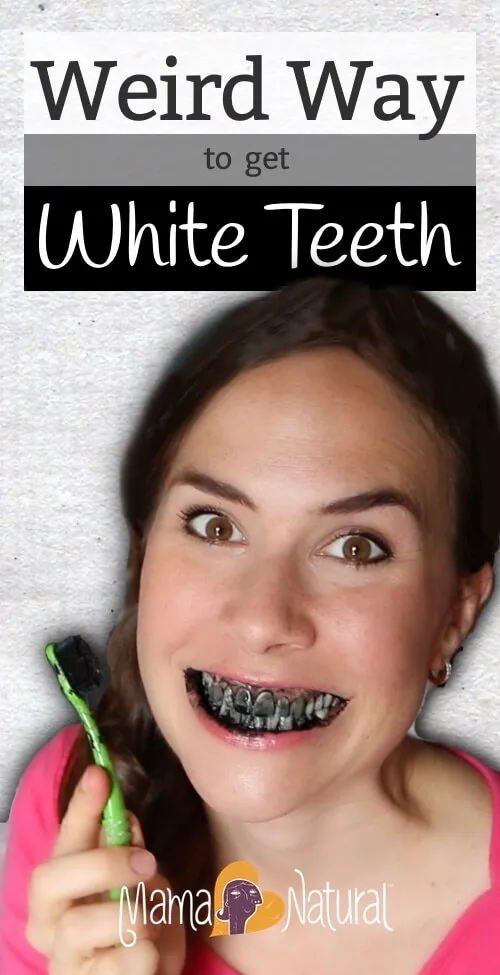
Paradoxically, activated charcoal, which is marketed as a whitening agent, can actually cause staining. The fine particles of charcoal can become trapped in the tiny crevices and pores of your teeth and gums. This can lead to a grayish or blackish discoloration, especially if the enamel has been damaged. Furthermore, charcoal can stain existing dental work, such as fillings and crowns, requiring costly replacements. The risk of staining is another significant reason to avoid using activated charcoal for teeth whitening.
Charcoal Particles Trapped

The fine, porous nature of activated charcoal makes it prone to becoming trapped in various areas of the mouth. It can get lodged in the spaces between teeth, along the gum line, and in any existing dental work. Removing these particles completely can be difficult, even with regular brushing and flossing. The trapped charcoal can lead to aesthetic problems and potentially contribute to oral hygiene issues, making your teeth appear darker.
Discoloration of Existing Fillings
Fillings, crowns, and other dental restorations are not stain-resistant in the same way that natural enamel is. Activated charcoal can stain these restorations, leading to a mismatch in color between your natural teeth and your dental work. This discoloration can be unsightly and require costly replacement procedures. The risk of damaging existing dental work is a significant factor to consider before using activated charcoal.
Fact 4: Gum Irritation and Damage
The abrasive nature of activated charcoal is not only harmful to your teeth but also to your gums. Brushing with charcoal can irritate the delicate gum tissues, leading to inflammation, bleeding, and even gum recession. Healthy gums are essential for maintaining good oral health, and any practice that damages them can increase the risk of other dental problems.
Gum Recession

Gum recession is the process where the gum line pulls back, exposing more of the tooth root. This can be caused by aggressive brushing, especially with abrasive substances like activated charcoal. Exposed tooth roots are more susceptible to decay and sensitivity. Gum recession can also lead to aesthetic problems, as the teeth may appear longer. In severe cases, gum recession may require surgical intervention to repair.
Inflammation and Bleeding
The use of activated charcoal can cause inflammation and bleeding of the gums, particularly if you brush too hard or use it too frequently. This irritation can make your gums more sensitive and prone to infections. Persistent inflammation can lead to gingivitis or even more severe forms of gum disease. Bleeding gums are a clear sign of irritation and should be addressed immediately, typically by stopping the use of charcoal and consulting with a dentist.
Fact 5: Interactions with Dental Work
Activated charcoal can interact negatively with various types of dental work. The abrasive properties can damage crowns, veneers, and fillings. It can also reduce the bonding strength of dental adhesives, potentially compromising the integrity of dental restorations. If you have any existing dental work, using activated charcoal is highly discouraged.
Damaged Crowns and Veneers

Crowns and veneers are designed to enhance the appearance of your teeth, but they are not impervious to damage. The abrasive nature of activated charcoal can scratch and wear down the surface of crowns and veneers, causing them to lose their luster and become more susceptible to staining. This damage can lead to costly replacement procedures, negating the benefits of these cosmetic enhancements.
Reduced Bonding Strength
Activated charcoal can interfere with the bonding process of dental adhesives. These adhesives are used to attach fillings, crowns, and veneers to your teeth. The abrasive particles can disrupt the bond, potentially leading to premature failure of the dental work. This can result in the need for repairs or replacements, adding to the cost and inconvenience.
Conclusion
While the promise of a brighter smile is alluring, the activated charcoal teeth whitening dangers outweigh the potential benefits. From enamel erosion and increased sensitivity to potential staining and damage to dental work, the risks are significant. There is also a lack of scientific evidence to support its efficacy. It is essential to prioritize your oral health and consult with a dentist for safe and effective teeth whitening options. Professional treatments offer proven results without the potential harms of activated charcoal. Therefore, it is best to steer clear of activated charcoal for teeth whitening and rely on proven methods for a healthy, bright smile.