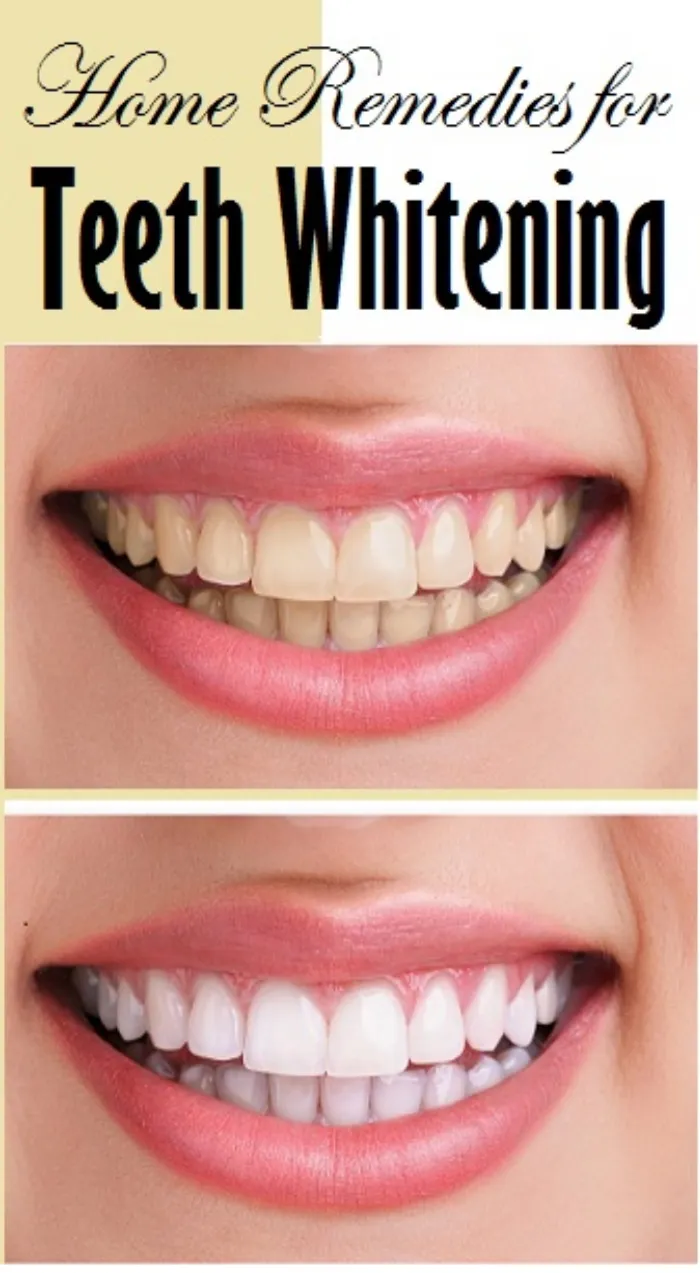
Achieving a brighter, whiter smile doesn’t always require expensive professional treatments. Nature provides a wealth of resources that can help you enhance your pearly whites from the comfort of your home. This article explores the top 7 best teeth whitening home remedies, detailing their benefits and how to use them effectively. Remember, consistency is key, and results may vary depending on your initial tooth shade and the severity of staining. Always consult with your dentist before trying any new teeth whitening treatments, especially if you have sensitive teeth or existing dental work.
1 Baking Soda and Hydrogen Peroxide
Baking soda and hydrogen peroxide is a classic combination for teeth whitening, revered for its mild abrasive properties and bleaching effects. Both substances are readily available and affordable, making this a convenient option for many. Hydrogen peroxide is a mild oxidizing agent that can help lighten stains, while baking soda gently scrubs away surface stains. This dynamic duo has been a go-to home remedy for generations, and its effectiveness continues to be recognized by many. However, it is essential to use this mixture with caution to prevent any potential damage to your enamel. Always rinse your mouth thoroughly after use, and do not overuse the solution as it could lead to increased sensitivity.
Benefits of Baking Soda and Hydrogen Peroxide
The primary benefit of using baking soda and hydrogen peroxide is its ability to remove surface stains caused by coffee, tea, and other staining agents. This combination can also help to neutralize acids in the mouth, reducing the risk of tooth decay. Furthermore, hydrogen peroxide has antibacterial properties, which can contribute to overall oral health. The mild abrasive action of baking soda helps to polish the teeth, making them appear smoother and brighter. The whitening effects are gradual, making this a gentler approach compared to some commercial products. When used correctly, this combination is a safe and cost-effective method to improve the appearance of your teeth, helping you achieve a more confident smile.
How to use Baking Soda and Hydrogen Peroxide for Teeth Whitening

To use this remedy, mix one tablespoon of baking soda with two tablespoons of hydrogen peroxide to form a paste. Apply the paste to your toothbrush and brush your teeth for about two minutes. Rinse thoroughly with water. It’s important not to swallow the mixture. Use this treatment no more than twice a week to avoid damaging your enamel. If you experience any sensitivity, reduce the frequency or discontinue use. This is one of the best teeth whitening home remedies, and with consistent and careful use, you may notice a gradual improvement in the brightness of your smile. Remember to consult your dentist for personalized advice.
2 Coconut Oil Pulling
Coconut oil pulling is an ancient Ayurvedic practice gaining popularity for its potential oral health benefits, including teeth whitening. Coconut oil contains lauric acid, which has antimicrobial properties that can help reduce plaque and bacteria in the mouth. While the primary aim is not to whiten teeth, the removal of bacteria and plaque can contribute to a brighter smile by reducing surface stains. This gentle, natural method is a holistic approach to oral hygiene, enhancing not only the appearance of your teeth but also supporting your overall well-being. This is a great remedy if you’re looking for a natural approach to oral care.
Benefits of Coconut Oil Pulling
The benefits of coconut oil pulling extend beyond teeth whitening, promoting overall oral health. Coconut oil can reduce the buildup of plaque, preventing cavities and gum disease. It also helps to freshen breath and can alleviate dry mouth. By removing bacteria and toxins from the mouth, oil pulling can contribute to a healthier environment, reducing inflammation and improving gum health. Many people find that oil pulling also helps to increase saliva production, which naturally cleanses the mouth. Coconut oil pulling is a gentle, natural method that offers a range of benefits, making it a valuable addition to your oral hygiene routine. With its many advantages, including its teeth-whitening properties, it’s no wonder that this practice has gained so much popularity.
How to do Coconut Oil Pulling for Teeth Whitening

To perform oil pulling, take about one to two tablespoons of coconut oil and swish it around your mouth for 15-20 minutes. Ensure that the oil reaches all areas of your mouth, including between your teeth. It is essential to spit out the oil after swishing; do not swallow it, as it contains bacteria and toxins. Rinse your mouth with water and brush your teeth as usual. For the best results, practice oil pulling daily, preferably in the morning before eating or drinking anything. While results may vary, many users have reported noticing a brighter smile after consistent practice, demonstrating the teeth-whitening capabilities of this remedy.
3 Activated Charcoal
Activated charcoal has become a popular choice for teeth whitening due to its ability to absorb stains and impurities. This black powder is made by heating carbon-rich materials, like coconut shells or wood, which are then activated with high heat. The porous nature of activated charcoal helps to remove surface stains from teeth caused by food and drinks, leading to a visibly brighter smile. While its effectiveness can vary, many people find it to be a safe and natural way to enhance their teeth’s appearance. However, it’s important to use activated charcoal with caution to avoid any potential abrasive effects on the enamel. Always rinse your mouth thoroughly after each use, and consider consulting your dentist for any concerns.
Benefits of Activated Charcoal
The primary benefit of activated charcoal is its ability to remove surface stains from teeth, giving them a brighter appearance. It can help remove stains caused by coffee, tea, wine, and other staining agents. Activated charcoal also has properties that can help absorb bacteria and toxins, contributing to overall oral health. Its slightly abrasive nature helps to polish the teeth, making them appear smoother and cleaner. Many people find that regular use of activated charcoal leads to noticeable improvements in the color of their teeth. The natural stain-removing capabilities of activated charcoal make it a popular choice for those seeking a natural teeth-whitening solution, while also keeping teeth clean and fresh.
How to use Activated Charcoal for Teeth Whitening

To use activated charcoal, wet your toothbrush and dip it into the charcoal powder. Brush your teeth gently for about two minutes, ensuring that you cover all surfaces. After brushing, rinse your mouth thoroughly with water until all traces of the charcoal are gone. Be careful, as charcoal can stain clothing and surfaces. You can also mix activated charcoal with a little water to form a paste. For best results, use activated charcoal once or twice a week. It’s also advisable to consult with your dentist to ensure it’s suitable for your specific dental needs and to prevent any potential abrasive damage to your enamel, which is why this is one of the best teeth whitening home remedies.
4 Apple Cider Vinegar
Apple cider vinegar (ACV) is another popular home remedy for teeth whitening, although its use should be approached with caution. ACV contains acetic acid, which can help remove stains and whiten teeth. However, its acidic nature can also erode tooth enamel if used too frequently. ACV can be a helpful addition to your oral hygiene routine when used correctly. It is important to dilute apple cider vinegar with water and use it sparingly to reduce the risk of enamel erosion and tooth sensitivity. Dilution and moderation are the keys to using ACV safely for teeth whitening, and it’s important to prioritize dental health and consult your dentist to ensure the best possible outcomes.
Benefits of Apple Cider Vinegar
Apple cider vinegar can help remove surface stains from teeth, contributing to a brighter smile. It also has antibacterial properties, which can help reduce bacteria in the mouth and improve oral hygiene. ACV can help balance the pH levels in your mouth, creating a healthier environment and potentially reducing the risk of cavities. While ACV is not a primary teeth whitening agent, it can help remove surface stains and contribute to overall oral health. However, due to its acidity, it must be used carefully to prevent damage to tooth enamel. When diluted and used in moderation, ACV can be a useful supplementary tool for promoting a healthier mouth and whiter teeth.
How to use Apple Cider Vinegar for Teeth Whitening

To use apple cider vinegar for teeth whitening, dilute one teaspoon of ACV in a cup of water. Swish this mixture around your mouth for about 30 seconds, then rinse thoroughly with plain water. Do not brush your teeth immediately after using ACV, as it can further erode your enamel. Instead, wait at least 30 minutes before brushing. Use this treatment no more than once or twice a week to avoid potential enamel erosion. Always prioritize your oral health, and consult with your dentist for personalized advice before adding ACV to your routine. Dilution and moderation are essential when using ACV for teeth whitening to protect your enamel.
5 Lemon Juice and Baking Soda
Lemon juice and baking soda is another home remedy combination that is believed to whiten teeth, but it carries risks similar to using lemon juice on its own. Lemon juice is highly acidic, and when combined with baking soda, it can create a strong abrasive mixture. Regular use of this combination can erode tooth enamel, leading to increased sensitivity and a higher risk of cavities. Due to the potential damage, it’s crucial to use this remedy very sparingly, or to avoid it altogether. If you choose to use this method, it’s vital to prioritize your dental health and consult with a dentist. A healthy approach should always include being well-informed about the potential risks involved.
Benefits of Lemon Juice and Baking Soda
The purported benefit of this combination is its ability to remove surface stains due to the abrasive nature of baking soda and the acidic properties of lemon juice. The acidity in lemon juice can help break down stains, and the baking soda adds a mild scrubbing action. However, these effects come with the risk of enamel erosion. While this combination might provide a temporary brightening effect, it can be detrimental to the long-term health of your teeth. It is always best to prioritize your dental health and opt for methods that do not compromise your enamel integrity. Be mindful of the potential trade-offs when considering this home remedy.
How to use Lemon Juice and Baking Soda for Teeth Whitening

If you choose to use this combination, mix a small amount of lemon juice with baking soda to form a paste. Apply this paste to your teeth and let it sit for no more than a minute. Rinse your mouth thoroughly with water to remove any residue. Never use this method more than once a week, and ideally, not at all. It’s essential to consult with your dentist and be aware of the potential risks involved. Frequent use can lead to enamel erosion and tooth sensitivity. Always prioritize your oral health and consider safer alternatives if you have any concerns. Consider consulting a dental professional for a professional teeth whitening treatment.
6 Strawberries
Strawberries contain malic acid, which is a natural compound that may help to remove surface stains from teeth. They are a popular choice in many natural remedies for teeth whitening. Crushing strawberries and applying them to your teeth has become a common practice. However, the effectiveness of strawberries for whitening teeth is often overstated. While malic acid can help break down stains, it doesn’t have a strong bleaching effect. Moreover, strawberries contain sugar, which can contribute to tooth decay. When used, it’s important to do so in moderation and alongside a good oral hygiene routine. Always consult with a dentist before integrating new methods into your oral care routine.
Benefits of Strawberries
The main benefit of using strawberries for teeth whitening is their malic acid content, which can help to remove surface stains. The natural compounds can contribute to a brighter appearance. Some people find that using strawberries makes their teeth feel smoother and cleaner. However, the whitening effects of strawberries are usually mild compared to other methods. Strawberries also provide some vitamins and antioxidants that are beneficial for overall health. Their use is generally considered to be safe, but it’s crucial to use them in moderation and combine this method with a comprehensive oral hygiene routine to achieve the best outcomes.
How to use Strawberries for Teeth Whitening

To use strawberries, crush a fresh strawberry and apply the pulp to your teeth. You can gently rub the pulp over your teeth for a few minutes. After this, rinse your mouth thoroughly with water and brush your teeth as usual. Avoid leaving the strawberry pulp on your teeth for an extended period, as the sugar content can contribute to tooth decay. Consider using strawberries in moderation and in conjunction with a well-rounded oral hygiene routine. If you experience any sensitivity, discontinue use and consult your dentist. They will be able to give you better options.
7 Turmeric
Turmeric is a spice with anti-inflammatory and antioxidant properties that has recently gained popularity for teeth whitening. It’s a yellow powder, and it might seem counterintuitive to use it for whitening teeth, but many people have reported positive results. The abrasive texture of turmeric can help remove surface stains and plaque, potentially making your teeth look brighter. It’s important to note that the whitening effect of turmeric is generally mild, and it might not work for everyone. The best approach is to use turmeric alongside your regular oral care routine. The use of turmeric does not replace regular brushing, flossing, and dental check-ups. However, its use can promote a brighter and healthier smile.
Benefits of Turmeric
The primary benefit of turmeric in teeth whitening is its gentle abrasive action, which helps remove surface stains. Turmeric has natural anti-inflammatory properties and can help reduce inflammation in the gums, contributing to overall oral health. It’s a natural alternative that’s safe for most people, making it a popular choice. While turmeric is not a powerful bleaching agent, it can contribute to a brighter smile by removing stains and plaque. Many users report a noticeable difference in their tooth brightness with regular use. Turmeric also supports gum health and provides added antioxidant benefits. In addition to that, it can have positive effects on your teeth.
How to use Turmeric for Teeth Whitening

To use turmeric, mix a small amount of turmeric powder with water to form a paste. Apply this paste to your toothbrush and gently brush your teeth for about two to three minutes. Rinse your mouth thoroughly with water. You can also add a few drops of coconut oil to the paste for added benefits. Turmeric might stain your toothbrush and clothing, so be careful when using it. It is important to practice good oral hygiene, and regular check-ups are important as well. It is best to incorporate it into your routine two to three times per week to achieve the best possible results.
Achieving a brighter smile doesn’t have to break the bank or involve harsh chemicals. This article has explored the best teeth whitening home remedies, providing you with options that are both accessible and natural. From the classic combo of baking soda and hydrogen peroxide to the ancient practice of coconut oil pulling, there are several methods you can explore. While these remedies can be effective, it’s essential to approach them with caution, moderation, and a focus on maintaining your overall oral health. Always consult your dentist for personalized advice and to ensure these remedies are suitable for your teeth. Embrace these natural alternatives to achieve a radiant, healthy smile!