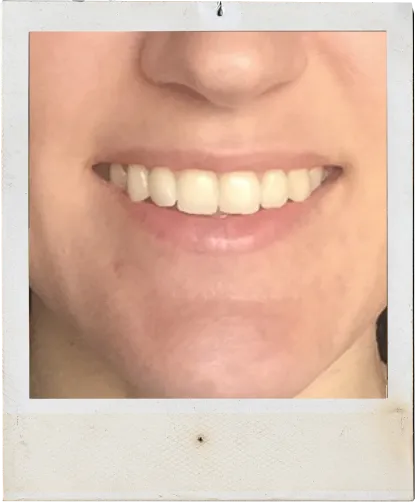
What Is Teeth Whitening?
Teeth whitening is a cosmetic dental procedure designed to lighten the shade of your teeth and remove stains. It has become increasingly popular, as a bright, white smile is often associated with youth, health, and attractiveness. This process involves bleaching the teeth to remove discoloration caused by factors like aging, genetics, diet, and lifestyle choices, such as smoking. There are various methods available, from professional treatments at a dentist’s office to over-the-counter products used at home. Each method uses different concentrations of bleaching agents, such as hydrogen peroxide or carbamide peroxide, to penetrate the enamel and break down stain molecules. The effectiveness of teeth whitening can vary depending on the individual and the type of stains present, but the goal remains the same achieving a noticeably brighter smile. Proper aftercare and maintenance are crucial to ensure the longevity of the whitening results and to protect the teeth from future staining.
How Teeth Whitening Works
The science behind teeth whitening revolves around chemical reactions that break down stain molecules within the tooth enamel. The active ingredients in whitening products, primarily hydrogen peroxide or carbamide peroxide, penetrate the enamel and dentin. These substances release oxygen free radicals, which react with the stain molecules, causing them to break down and become less visible. The concentration of the bleaching agent and the duration of its application influence the effectiveness of the treatment. Professional treatments often use higher concentrations of bleaching agents and may incorporate special lights or lasers to accelerate the process. Home whitening kits usually contain lower concentrations, requiring more frequent or prolonged use to achieve similar results. The process is generally safe when used as directed, but it can cause temporary sensitivity in some individuals. It’s essential to follow the instructions provided by your dentist or the product manufacturer to avoid potential complications and maximize the whitening effects. Understanding how the process works can help you make informed decisions about your teeth whitening journey.
Home Teeth Whitening vs Professional Whitening

When considering teeth whitening, you have two primary options professional treatments and home-use products. Professional whitening, performed by a dentist, often provides faster and more dramatic results. These treatments utilize higher concentrations of bleaching agents, and dentists can monitor the process and address any sensitivity or complications that may arise. They may also use specialized equipment, such as UV lights, to enhance the whitening effect. Home whitening kits, on the other hand, are more convenient and cost-effective, allowing you to whiten your teeth at your own pace. They typically involve custom-fitted trays filled with a bleaching gel, or over-the-counter strips or pens. However, these products contain lower concentrations of bleaching agents, so it may take longer to see noticeable results. While home kits are generally safe, it’s important to follow the instructions carefully to avoid damaging your teeth or gums. The best choice depends on your individual needs, budget, and desired results. Consulting with a dentist can help you determine which option is best for you.
Coffee’s Impact on Teeth
Coffee is a popular beverage enjoyed by millions worldwide, but its impact on teeth is often overlooked. Coffee contains tannins, which are compounds that can stain teeth. These tannins create a sticky film on the tooth’s surface, allowing the pigment molecules from coffee to adhere to the enamel. Over time, this can lead to discoloration, ranging from light yellow to dark brown, depending on the frequency of coffee consumption and the individual’s oral hygiene habits. Additionally, the acidity of coffee can erode tooth enamel, making it more susceptible to staining. The darker the roast of the coffee, the more intense the staining effect tends to be. Even coffee that is consumed with milk or sweeteners can contribute to staining, although to a lesser extent. Regular and thorough oral hygiene, including brushing, flossing, and professional cleanings, is essential to minimize the staining effects of coffee. However, individuals who consume large amounts of coffee may find it challenging to maintain a bright white smile.
Why Coffee Stains Teeth
The primary reason coffee stains teeth is due to its high concentration of chromogens and tannins. Chromogens are pigment-producing substances that are easily absorbed into the porous enamel of the teeth. Tannins are polyphenols that help the chromogens stick to the teeth. When you drink coffee, these compounds come into contact with the teeth and adhere to the enamel surface. The enamel, being slightly porous, absorbs these compounds over time. The longer the contact and the more frequently you consume coffee, the more pronounced the staining becomes. The texture of the enamel also plays a role; rougher or more porous enamel tends to stain more easily than smoother enamel. Furthermore, the acidity of coffee contributes to the staining process by weakening the enamel, making it more vulnerable to the absorption of staining agents. Regular dental check-ups, proper brushing techniques, and avoiding prolonged contact with coffee can help minimize staining. Understanding these factors can help you make informed choices about your coffee consumption and oral hygiene practices.
Coffee’s Impact on Whitening

Drinking coffee after teeth whitening can significantly diminish the results of the treatment. The whitening process makes the enamel more porous and susceptible to staining for a period after the procedure. Coffee, being a highly pigmented beverage, can easily penetrate these open pores and cause the teeth to re-stain. This is why dentists and product instructions often advise against consuming coffee, as well as other dark-colored foods and drinks, for at least 48 hours, and sometimes longer, after whitening. The tannins and chromogens in coffee will cling to the teeth and counteract the whitening effects, reversing the progress you’ve made. If you choose to drink coffee during this period, you may notice a gradual darkening of your teeth, and you could end up needing additional whitening treatments sooner than expected. To maintain your bright, white smile, it’s essential to avoid coffee and other staining substances during the critical recovery period.
How Long to Wait After Whitening
The length of time you should wait before drinking coffee after teeth whitening depends on the type of whitening treatment you’ve had and your dentist’s recommendations. Generally, it is advised to avoid coffee and other staining substances for a minimum of 48 to 72 hours after home teeth whitening treatments. For professional whitening, your dentist might recommend a longer waiting period, sometimes up to a week or more, to allow the enamel to fully re-mineralize and become less susceptible to staining. During this period, the enamel is more porous and vulnerable, making it easier for stains to set in. It’s crucial to adhere to these guidelines to maximize the whitening results and prevent premature staining. In some cases, your dentist may suggest using a special toothpaste designed to help protect your teeth during this sensitive time. Always follow the specific instructions provided by your dentist or the product manufacturer to ensure the best possible outcome and longevity of your bright, white smile.
Tips for Avoiding Stains
To avoid staining your teeth after whitening, there are several strategies you can employ. The most effective is to abstain from coffee altogether for the recommended period. If you must drink coffee, consider using a straw to minimize contact with your teeth. Rinsing your mouth with water immediately after drinking coffee can also help wash away staining particles before they adhere to your enamel. Additionally, practicing good oral hygiene is essential. Brushing your teeth twice a day, flossing daily, and using an enamel-strengthening toothpaste can help to maintain your white smile. Avoid other staining foods and drinks, such as red wine, dark sodas, and berries. Regular dental check-ups and professional cleanings can help remove any surface stains and maintain your bright smile. Being mindful of your diet and oral hygiene habits can significantly extend the life of your whitening results and keep your smile looking its best. These tips can also reduce the need for frequent whitening treatments.
Alternative Drinks After Whitening

If you’re looking for alternatives to coffee after teeth whitening, there are several beverages that won’t stain your teeth and can still satisfy your cravings. Clear beverages are generally the safest options. Water is always a great choice, as it helps to keep you hydrated and cleanses your mouth. Herbal teas, especially those that are light in color like chamomile or peppermint tea, are also a good alternative. If you enjoy a warm beverage, consider clear broths or consommé. For a refreshing drink, you can opt for clear fruit juices, such as apple juice or white grape juice, but consume them in moderation due to their sugar content. Milk, although not entirely clear, is generally acceptable as it contains calcium, which helps to strengthen the enamel. The key is to choose beverages that are low in tannins and chromogens to avoid staining. By making smart choices, you can maintain your bright smile without sacrificing the enjoyment of your favorite drinks.
Maintaining Your Whitened Smile
Maintaining your whitened smile involves a combination of good oral hygiene, dietary choices, and regular dental care. Brush your teeth twice a day with a whitening toothpaste, and floss daily to remove plaque and food particles. Avoid or limit the consumption of staining foods and drinks, such as coffee, red wine, and berries. If you do consume these items, rinse your mouth with water immediately afterward to minimize staining. Consider using a straw for drinks that can stain your teeth. Regular dental check-ups and professional cleanings are essential for removing surface stains and maintaining your bright smile. Your dentist may also recommend touch-up whitening treatments to keep your teeth looking their best. Using a whitening toothpaste or mouthwash can help to further enhance and maintain your results. By adopting these habits, you can enjoy a bright, healthy smile for years to come, and reduce the frequency of whitening treatments. Consistency and diligence are key to maintaining a beautiful smile.