What is Dental Beauty Whitening
Dental beauty whitening, often simply referred to as teeth whitening, is a cosmetic dental procedure designed to lighten the shade of your teeth. It’s one of the most popular cosmetic treatments, as a brighter, whiter smile is often associated with youthfulness, health, and attractiveness. The process involves removing stains and discoloration from the enamel of your teeth, resulting in a more radiant and confident smile. Various methods are available, ranging from professional treatments performed by dentists to over-the-counter products that you can use at home. The effectiveness of the whitening process depends on several factors, including the type of stains, the concentration of the whitening agent, and the duration of the treatment. Dental beauty whitening can significantly improve your appearance and boost your self-esteem, making it a worthwhile investment for many individuals seeking a more dazzling smile.
Types of Dental Beauty Whitening Treatments
There are two main categories of dental beauty whitening treatments: professional in-office whitening and at-home whitening kits. Each method has its own set of advantages and considerations, and the best choice for you will depend on your individual needs, preferences, and the extent of the discoloration. Understanding the differences between these treatments is essential to make an informed decision and achieve the desired results. Consulting with a dentist is always recommended, as they can evaluate your oral health, determine the underlying cause of the discoloration, and recommend the most suitable whitening option for your specific situation. This will not only help you get the best results but also ensure the safety and effectiveness of the whitening process. Choosing the right type of treatment ensures a beautiful, healthy, and radiant smile.
In-office Whitening

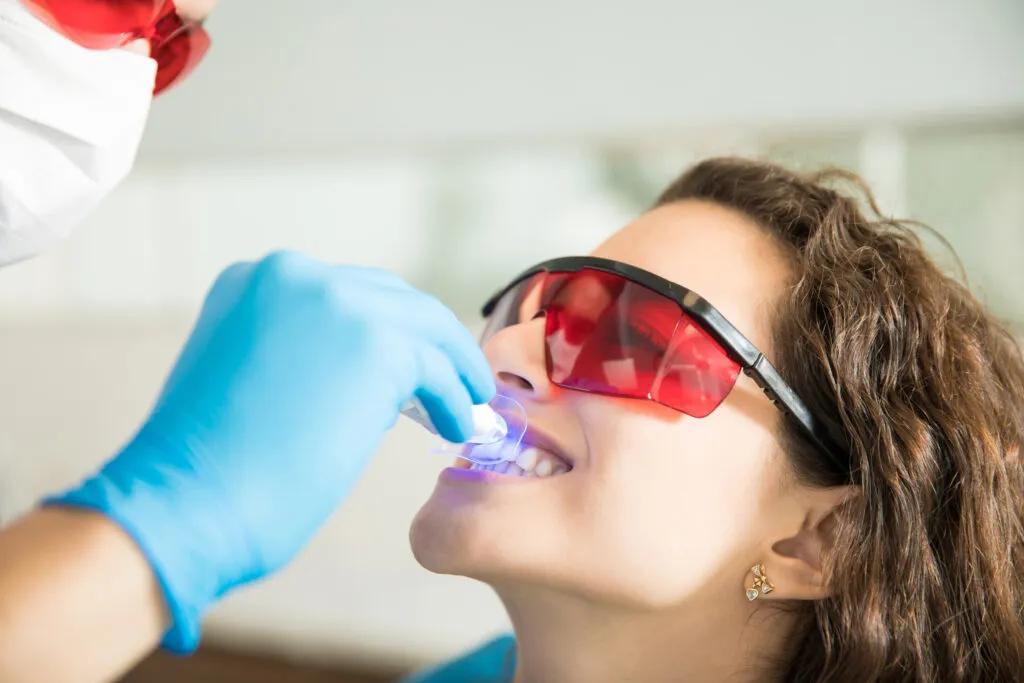
In-office whitening, also known as professional teeth whitening, is a treatment performed by a dentist in their clinic. This method typically involves a higher concentration of the whitening agent, usually hydrogen peroxide, than what is available in at-home kits. The dentist will apply the whitening gel to your teeth and may use a special light or laser to enhance the whitening process. The procedure usually takes about an hour, and you can often see significant results in just one visit. In-office whitening is ideal for individuals who want immediate results and have deep or stubborn stains that may not respond well to at-home treatments. It’s a safe and effective way to achieve a significantly whiter smile in a short amount of time, providing a quick and dramatic transformation. The dentist will also take precautions to protect your gums and soft tissues during the procedure, minimizing the risk of sensitivity or irritation.
At-home Whitening Kits
At-home whitening kits offer a more convenient and affordable option for teeth whitening. These kits typically include custom-fitted trays, whitening gel, and instructions for use. You will fill the trays with the whitening gel and wear them for a specific amount of time each day, as directed by your dentist or the product instructions. The duration of treatment varies depending on the concentration of the whitening agent and the severity of the stains. At-home kits are generally less potent than in-office treatments, so it may take several weeks to achieve the desired results. However, they are a great option for those who prefer to whiten their teeth in the comfort of their own homes and are willing to be patient. It’s important to follow the instructions carefully and consult with your dentist to ensure the product is safe and suitable for your teeth. This ensures the treatment effectively whitens your teeth, providing a brighter, more confident smile, and maintains good oral health.
Professional Teeth Whitening Process
The professional teeth whitening process involves a series of steps designed to safely and effectively lighten the shade of your teeth. The process begins with a comprehensive consultation and evaluation by a dentist. After the evaluation, if it is determined that you are a suitable candidate, the dentist will then prepare your teeth for the whitening treatment. The whitening procedure itself involves applying a strong whitening agent to your teeth, which is often activated by a special light or laser. Careful attention is given throughout the process to ensure the health of your gums and soft tissues. After the procedure, you will receive aftercare instructions to maintain the results and address any potential side effects. Following these steps ensures you achieve the best possible results with professional teeth whitening, giving you a brighter, more confident smile.
Consultation and Evaluation

Before starting any teeth whitening treatment, a thorough consultation and evaluation are essential. Your dentist will examine your teeth and gums to assess your overall oral health and determine if you are a good candidate for whitening. They will check for any existing dental issues, such as cavities, gum disease, or cracked teeth, which may need to be addressed before starting the whitening process. During the consultation, the dentist will also discuss your goals and expectations for teeth whitening, as well as any potential risks or side effects. They will also take note of the current shade of your teeth and recommend the most suitable whitening treatment based on your specific needs and the type of stains you have. This initial assessment ensures the whitening process is safe, effective, and tailored to your individual circumstances, maximizing the chances of achieving the desired results and maintaining your oral health.
Preparing Your Teeth for Whitening
Preparing your teeth for whitening involves several steps to ensure the best results and minimize potential sensitivity. The dentist may start by cleaning your teeth to remove plaque and tartar, as these can interfere with the whitening agent’s effectiveness. If you have any cavities or other dental problems, they will need to be addressed before the whitening treatment. Your dentist may also recommend a fluoride treatment to strengthen your enamel and reduce sensitivity. Before the whitening procedure, a protective barrier will be placed around your gums to shield them from the whitening agent. This preparation ensures that the whitening process is as effective and comfortable as possible, allowing the whitening agent to penetrate the enamel evenly. By taking these preparatory steps, you set the stage for a successful and positive teeth whitening experience, leading to a brighter, healthier smile and overall oral health.
The Whitening Procedure
The whitening procedure itself involves applying a whitening agent, typically hydrogen peroxide or carbamide peroxide, to the surface of your teeth. The dentist will carefully apply the gel, ensuring even coverage. In in-office whitening, a special light or laser may be used to activate and accelerate the whitening process. The whitening agent breaks down the stains and discoloration within the enamel. The procedure usually involves multiple applications of the whitening agent, each lasting a few minutes, followed by rinsing. The dentist will monitor your teeth and gums throughout the process to ensure your comfort and safety. In some cases, a post-treatment fluoride application might be recommended to reduce sensitivity and strengthen your enamel. This procedure, carefully executed by a dental professional, offers a safe and effective way to achieve a brighter, more attractive smile and boost your self-esteem.
Aftercare Tips for a Sparkling Smile

Following the aftercare tips is crucial to maintain the results of your teeth whitening treatment and to keep your smile radiant. These tips help prevent new stains from forming and ensure your teeth stay as bright as possible. Proper oral hygiene, including regular brushing, flossing, and dental check-ups, is essential. Avoiding foods and drinks that can stain teeth, such as coffee, tea, red wine, and berries, will help preserve your whitened smile. It is equally important to use products, such as whitening toothpaste and mouthwash, can also help maintain the brightness of your teeth. By adhering to these aftercare tips, you can enjoy your beautiful, sparkling smile for a long time and improve your oral health.
Maintain a Healthy Oral Hygiene Routine
Maintaining a healthy oral hygiene routine is a crucial part of keeping your teeth white and your mouth healthy. This includes brushing your teeth at least twice a day with a fluoride toothpaste and flossing daily to remove plaque and food particles from between your teeth. Using an antimicrobial mouthwash can also help reduce bacteria and freshen your breath. Regular dental check-ups and professional cleanings are essential to remove any plaque or tartar buildup that can cause stains. A consistent oral hygiene routine will not only help maintain the results of your teeth whitening but also prevent dental problems like cavities and gum disease. By making oral hygiene a priority, you can keep your smile bright, your breath fresh, and your mouth healthy, ensuring you feel confident and comfortable.
Foods and Drinks to Avoid
Certain foods and drinks can stain your teeth and diminish the results of your whitening treatment. Minimizing your consumption of these items can help maintain your bright, white smile. Dark-colored beverages like coffee, tea, red wine, and cola are notorious for staining teeth. Foods such as berries (blueberries, strawberries, etc.), tomato-based sauces, and soy sauce can also contribute to staining. If you do consume these items, try to drink water afterward or brush your teeth soon after to minimize their impact. Smoking and tobacco products are major contributors to teeth discoloration and should be avoided. Being mindful of your diet and habits will help preserve your whitened teeth, keeping your smile bright and beautiful for longer. This effort contributes to both the aesthetics of your teeth and your overall oral health.
Products to Use for Whitening

Using specific products can help you maintain and enhance the results of your teeth whitening treatment. Whitening toothpastes contain mild abrasives or chemicals that help remove surface stains. Look for products that contain fluoride to strengthen your enamel. Whitening mouthwashes can also help reduce stains and freshen breath. Consider using a whitening pen or touch-up kit for quick touch-ups. Always follow the product instructions and consult your dentist for recommendations. These products can supplement your regular oral hygiene routine and contribute to a brighter smile. Combining the right products with good habits will give you the best chance to keep your teeth white and dazzling.
Benefits of Dental Beauty Whitening
Dental beauty whitening offers several benefits, extending beyond just a brighter smile. A whiter smile can significantly boost your confidence and self-esteem, making you feel more comfortable in social and professional situations. It enhances your overall appearance, often making you look younger and healthier. Moreover, teeth whitening can indirectly improve your oral health by encouraging better oral hygiene habits. Many people are motivated to take better care of their teeth after whitening them, leading to fewer dental issues in the long run. The psychological impact of a bright, white smile shouldn’t be underestimated, as it can contribute to a more positive self-image and outlook on life. Ultimately, the benefits of teeth whitening extend beyond aesthetics, positively affecting your self-confidence and overall well-being.
Boost Your Confidence and Self-Esteem
One of the most significant benefits of teeth whitening is the boost it gives to your confidence and self-esteem. A bright, white smile can make you feel more attractive, self-assured, and ready to take on the world. When you feel good about your smile, you tend to smile more often, which has been shown to have positive psychological effects. Smiling releases endorphins, which can reduce stress and improve your mood. A confident smile can also make a positive impression on others, both in social and professional settings. The confidence boost from teeth whitening can lead to greater success and satisfaction in your personal and professional life. Feeling good about yourself is a key part of your overall well-being and happiness.
Improve Your Overall Oral Health

Teeth whitening can contribute to improved overall oral health by encouraging better oral hygiene habits. When you invest in whitening your teeth, you are more likely to prioritize your dental care. This often leads to a more diligent brushing and flossing routine, which helps remove plaque, prevent cavities, and keep your gums healthy. Regular dental check-ups and cleanings are also more likely to be prioritized. By maintaining good oral hygiene, you reduce the risk of developing various dental problems, such as gum disease, tooth decay, and bad breath. This focus on oral health not only keeps your teeth white and beautiful but also ensures the longevity and health of your teeth and gums. A healthy mouth contributes to your overall well-being.
Common Concerns and Solutions
While teeth whitening is generally safe and effective, some common concerns and potential side effects may arise. Sensitivity after whitening and uneven whitening results are among the most frequently reported. Understanding these concerns and knowing the solutions can help you have a smoother and more comfortable experience. Always consult with your dentist before starting any whitening treatment to discuss potential risks and to receive personalized guidance. They can assess your oral health, recommend the most appropriate treatment option, and provide strategies to minimize or manage any adverse effects. Addressing concerns early on ensures the best results and helps maintain your oral health.
Sensitivity after Whitening
Tooth sensitivity is a common side effect of teeth whitening, especially with higher concentrations of whitening agents. This sensitivity can manifest as a sharp, shooting pain when exposed to hot or cold temperatures or even air. The sensitivity typically subsides within a few days after the whitening treatment. To manage sensitivity, your dentist may recommend using a toothpaste formulated for sensitive teeth, which contains ingredients like potassium nitrate. Avoid extremely hot or cold foods and drinks during treatment. You might also consider using fluoride treatments to strengthen your enamel and reduce sensitivity. If the sensitivity is severe or persistent, consult your dentist for further guidance and potential solutions, ensuring a more comfortable experience.
Uneven Whitening Results

Uneven whitening results can occur due to various factors, including the different densities of teeth, the presence of fillings, or existing stains. Teeth with fillings or crowns will not whiten in the same way as natural teeth. To address unevenness, your dentist may suggest touch-up treatments or alternative whitening methods. For example, professional whitening can be more effective at addressing unevenness. In some cases, cosmetic procedures like veneers or crowns might be recommended to achieve a uniform and brighter smile. Consulting with your dentist is essential to determine the cause of the unevenness and create a personalized treatment plan that meets your aesthetic goals. This ensures your smile looks its best and that you feel confident with the outcome.
Conclusion
Dental beauty whitening offers a safe and effective way to achieve a brighter, more confident smile. The process begins with understanding the different types of treatments available, including in-office whitening and at-home kits. Professional teeth whitening involves a consultation, preparation, and the whitening procedure itself, all guided by a dental professional. Aftercare is crucial to maintain results, including good oral hygiene, avoiding staining foods and drinks, and using appropriate products. Teeth whitening provides numerous benefits, including boosted confidence, improved self-esteem, and enhanced oral health. It’s important to address common concerns like sensitivity and uneven results by consulting with your dentist. Ultimately, dental beauty whitening is an excellent investment in your appearance and well-being, giving you a dazzling smile that you can be proud of.