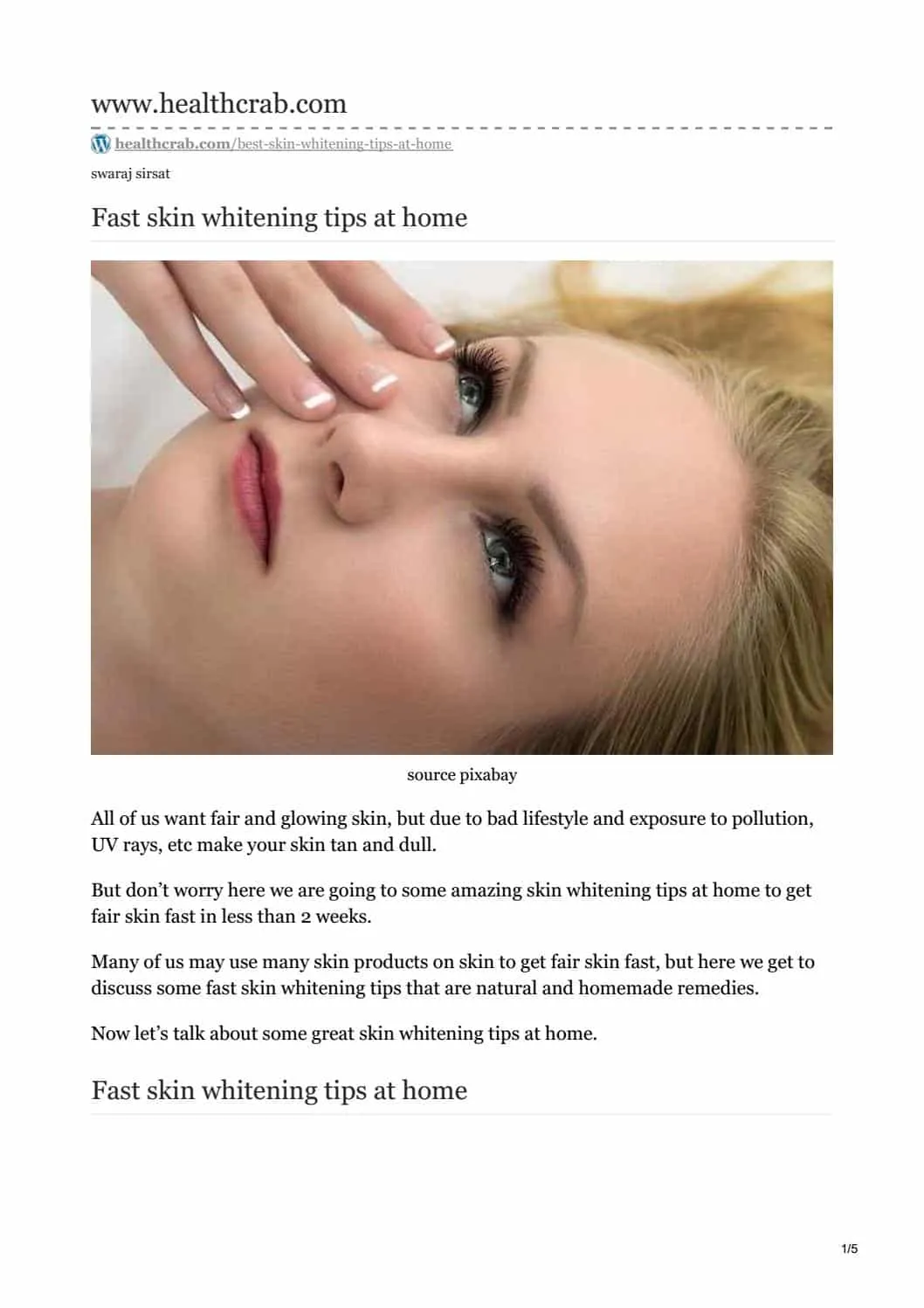
What is Home Skin Whitening
Home skin whitening refers to the process of lightening the skin tone or reducing the appearance of dark spots, blemishes, and uneven pigmentation using products and methods that can be applied at home. This can be achieved through a variety of approaches, including the use of over-the-counter creams, serums, masks, and natural ingredients. The primary goal is to achieve a more even skin tone and a brighter complexion. However, it is crucial to approach home skin whitening with caution, understanding the science behind it, and being aware of potential risks. A responsible approach involves researching ingredients, understanding your skin type, and consulting with a dermatologist when needed. Proper research is essential to make informed decisions and achieve the best results.
The Science Behind Skin Whitening
Skin whitening works by targeting melanin, the pigment responsible for skin color. Melanin is produced by melanocytes, specialized cells in the skin. The process of skin whitening typically involves reducing melanin production or increasing the rate at which melanin is shed from the skin. Many skin-lightening products contain ingredients that interfere with the tyrosinase enzyme, which is essential for melanin synthesis. When tyrosinase is inhibited, the production of melanin decreases. Other methods promote the exfoliation of the outer layers of the skin, removing existing melanin-rich cells. Understanding this biological process is key to choosing effective and safe whitening methods.
Understanding Hyperpigmentation

Hyperpigmentation is a common skin condition characterized by patches of skin becoming darker than the surrounding areas. This occurs when there is an excess of melanin, leading to uneven skin tone. Hyperpigmentation can manifest in various forms, including age spots, sunspots, freckles, and melasma. These conditions can result from sun exposure, hormonal changes, inflammation, or skin injuries. The severity of hyperpigmentation can vary, ranging from minor cosmetic concerns to more significant issues affecting self-esteem. A clear understanding of the types of hyperpigmentation is essential to tailor the skin-whitening approach to the specific problem.
Causes of Hyperpigmentation
Several factors can trigger hyperpigmentation. Prolonged sun exposure is a major contributor, as UV rays stimulate melanin production to protect the skin. Hormonal fluctuations, especially during pregnancy (melasma) or due to birth control pills, can also lead to increased melanin production. Skin inflammation, such as that caused by acne, eczema, or psoriasis, can result in post-inflammatory hyperpigmentation (PIH). Certain medications, genetic predispositions, and skin injuries can also contribute to hyperpigmentation. Identifying the underlying cause is important for developing an effective treatment plan.
Top 5 Home Skin Whitening Secrets
Achieving a brighter, more even skin tone at home requires a strategic approach. Here are the top 5 secrets to effective home skin whitening, encompassing proven methods and essential practices. These secrets emphasize a combination of active ingredients, diligent skincare routines, and lifestyle adjustments for optimal results and skin health. These methods highlight different aspects, offering a comprehensive guide to safe and effective skin whitening, covering everything from exfoliation to lifestyle adjustments. Remember to always prioritize safety, and consult with a dermatologist before starting any new skincare regimen.
Secret 1 Effective Exfoliation Techniques

Exfoliation is a key step in skin whitening, as it removes dead skin cells, revealing the fresh, brighter skin underneath. Regularly exfoliating the skin can help to slough off melanin-rich cells, promoting an even skin tone. There are several effective exfoliation techniques that can be incorporated into your skincare routine, each with its own benefits and considerations. This is a basic process but it is essential to achieve results in a short period of time. Always follow the instructions of the products to avoid damaging the skin.
How Exfoliation Works
Exfoliation works by removing the outermost layer of dead skin cells, also known as the stratum corneum. This layer often contains accumulated melanin, which contributes to an uneven skin tone. By removing these cells, exfoliation helps to reveal the brighter, fresher skin cells beneath. It also stimulates cell turnover, encouraging the production of new skin cells. This process can improve skin texture, reduce the appearance of fine lines and wrinkles, and enhance the effectiveness of skin-whitening products by allowing them to penetrate deeper into the skin.
Choosing the Right Exfoliants
There are two main types of exfoliants: physical and chemical. Physical exfoliants, such as scrubs and exfoliating brushes, use manual friction to remove dead skin cells. Chemical exfoliants, like AHAs (alpha-hydroxy acids) and BHAs (beta-hydroxy acids), use chemical reactions to dissolve dead skin cells. AHAs, such as glycolic and lactic acid, are effective for general exfoliation, while BHAs, like salicylic acid, are better for penetrating pores and addressing acne. When choosing an exfoliant, consider your skin type, sensitivity, and specific skin concerns. Start with a gentle product and gradually increase strength or frequency as your skin tolerates it.
Secret 2 The Power of Natural Ingredients

Many natural ingredients have skin-whitening properties and can be incorporated into your skincare routine. These ingredients often contain compounds that inhibit melanin production or promote cell turnover. Using natural ingredients can provide a gentler approach to skin whitening, minimizing the risk of harsh chemicals and potential side effects. Natural ingredients have been used for centuries to improve skin tone and promote healthy skin. Always test a new ingredient on a small area of skin before applying it to the entire face to check for any adverse reactions. Many natural ingredients are easily accessible and affordable.
Popular Natural Skin Whitening Ingredients
Several natural ingredients are known for their skin-whitening benefits. Lemon juice contains citric acid, an AHA that can exfoliate and brighten the skin. Turmeric, with its curcumin compound, has antioxidant and anti-inflammatory properties. Aloe vera can soothe and hydrate the skin while reducing inflammation. Honey has moisturizing and brightening effects. Yogurt contains lactic acid, which gently exfoliates. Always dilute or combine these ingredients with other components, such as honey or yogurt, before use. Ensure that your skin is properly moisturized after using these ingredients.
How to Use Natural Ingredients
Natural ingredients can be used in various ways, such as face masks, scrubs, and serums. To create a face mask, mix the ingredient with a base, such as yogurt or honey, and apply it to clean skin. For a scrub, combine the ingredient with a gentle abrasive, like sugar or oatmeal. For a serum, dilute the ingredient with a carrier oil, such as jojoba or argan oil. Apply these products to the skin for a specific amount of time, following recommended usage guidelines. Regular use, combined with other skin-whitening methods, can yield noticeable improvements. Always perform a patch test before applying any new natural ingredient to your entire face.
Secret 3 Importance of Sun Protection

Sun protection is critical in any skin-whitening regimen. UV rays from the sun stimulate melanin production, which can counteract skin-whitening efforts and worsen hyperpigmentation. Protecting your skin from the sun is not only vital for maintaining a brighter complexion but also for preventing premature aging and reducing the risk of skin cancer. Sunscreen should be applied every day, regardless of the weather, to ensure continuous protection. It is essential to incorporate sun protection into your daily skincare routine.
Why Sunscreen is Crucial
Sunscreen acts as a shield, protecting the skin from harmful UV rays. Without sunscreen, the skin will continue to produce melanin in response to sun exposure, negating the effects of skin-whitening treatments. Sunscreen prevents new dark spots from forming and prevents existing ones from getting darker. Additionally, regular use of sunscreen helps to reduce the risk of skin cancer and prevents premature aging, such as wrinkles and fine lines. Make sunscreen an integral part of your skincare routine for the best results.
Choosing the Right Sunscreen
When choosing a sunscreen, look for a broad-spectrum product that protects against both UVA and UVB rays. The SPF (Sun Protection Factor) should be at least 30. Choose a sunscreen that suits your skin type. For oily skin, opt for a lightweight, non-comedogenic formula. For dry skin, choose a hydrating sunscreen. Apply sunscreen liberally 15-20 minutes before sun exposure, and reapply every two hours, or more frequently if swimming or sweating. Sunscreen is a must-have product for every skin-whitening strategy.
Secret 4 Hydration and Skin Whitening

Proper hydration is essential for healthy skin and plays a significant role in the effectiveness of skin-whitening treatments. When the skin is well-hydrated, it functions optimally, promoting cell turnover and allowing skincare products to penetrate more effectively. Dehydrated skin can appear dull and exacerbate the appearance of dark spots and uneven skin tone. Maintaining proper hydration levels can significantly enhance skin whitening results and improve overall skin health. Hydration is the basis of any healthy skin.
The Role of Hydration
Hydration supports the skin’s natural functions. Well-hydrated skin has a stronger barrier function, which helps to protect against environmental damage and reduce inflammation. Adequate hydration promotes cell turnover, allowing the skin to shed dead cells more efficiently and reveal brighter, healthier skin. Hydration also helps in the absorption of topical skin-whitening products. Dry skin can hinder the penetration of active ingredients, reducing their effectiveness. Hydrated skin is more supple and appears more radiant.
Tips for Staying Hydrated
Drink plenty of water throughout the day. Aim for at least eight glasses of water per day. Use a hydrating moisturizer to lock in moisture and keep the skin hydrated. Incorporate hydrating serums, like those containing hyaluronic acid. Eat water-rich foods such as fruits and vegetables. Avoid excessive consumption of caffeine and alcohol, which can dehydrate the skin. Using a humidifier can add moisture to the air, especially in dry climates or during winter. Implementing these simple steps can contribute to improved skin hydration.
Secret 5 Lifestyle Adjustments for Whitening

Lifestyle adjustments can significantly influence skin health and the effectiveness of skin-whitening treatments. Diet, stress management, and sleep play crucial roles in overall skin health and can impact skin tone and appearance. Making positive changes to your lifestyle can enhance the results of your skin-whitening efforts, leading to a more radiant and even complexion. Lifestyle factors can have a great impact, but it is a process of constant care.
Diet and Skin Health
A balanced diet rich in vitamins, minerals, and antioxidants can support skin health. Include plenty of fruits and vegetables in your diet, as they are packed with nutrients that promote healthy skin. Consume foods rich in antioxidants, which help to protect the skin from damage caused by free radicals. Stay hydrated by drinking plenty of water. Limit your intake of processed foods, sugary drinks, and excessive alcohol, as these can negatively affect skin health. A balanced diet supports overall health and enhances the effectiveness of skin-whitening treatments.
Stress Management and Skin
Stress can contribute to skin problems, including inflammation, acne, and uneven skin tone. Managing stress is crucial for maintaining healthy skin. Practice stress-reduction techniques, such as meditation, yoga, or deep breathing exercises. Ensure you get enough sleep, as sleep deprivation can increase stress levels. Engage in activities that you enjoy and that help you to relax. Take breaks throughout the day to destress. Managing stress can help to reduce skin inflammation and promote an even complexion.
Potential Risks and Side Effects
Home skin-whitening treatments carry potential risks and side effects. Overuse or misuse of products can lead to skin irritation, dryness, redness, and sensitivity. Some products contain harsh chemicals that can cause burning or peeling. Incorrectly using skin-whitening products can result in uneven skin tone or worsen hyperpigmentation. Always follow product instructions and perform a patch test before applying a product to the entire face. Understand the potential risks to minimize complications.
When to See a Dermatologist
Consulting a dermatologist is recommended if you experience severe skin reactions, such as persistent irritation, burning, or significant changes in skin texture. If your skin-whitening efforts are not yielding results after several weeks or months, a dermatologist can provide personalized advice and suggest more effective treatments. Seek professional help if you have a history of skin conditions or if you have any concerns about your skin’s health. A dermatologist can help to diagnose and treat any underlying skin conditions and recommend safe and effective treatment options.
In conclusion, achieving a brighter and more even skin tone through home skin whitening requires a careful and informed approach. By following these five secrets – effective exfoliation techniques, the power of natural ingredients, the importance of sun protection, hydration, and lifestyle adjustments – you can significantly improve your skin’s appearance. Always prioritize safety, research products, and consider consulting a dermatologist for personalized guidance. With patience, consistency, and the right approach, you can achieve the desired results. Remember that maintaining a healthy skin routine is important for skin whitening.