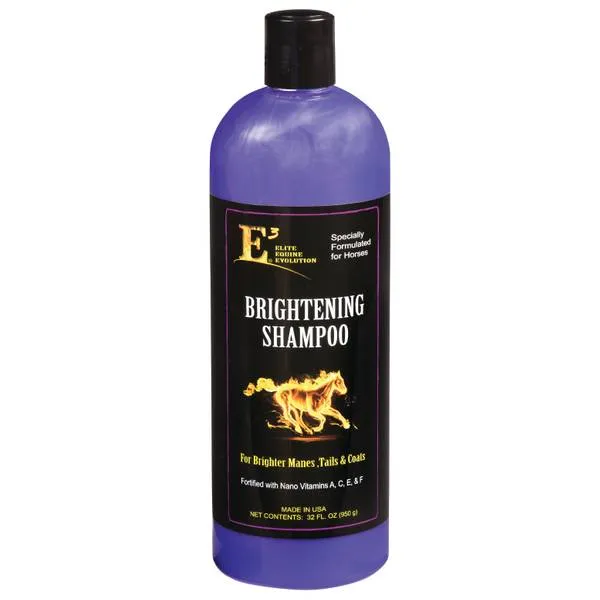
Why Use Whitening Shampoo for Horses
Maintaining a horse’s coat in pristine condition is a crucial aspect of equine care, whether for show, pleasure riding, or general well-being. Whitening shampoo for horses offers a specialized solution to enhance the appearance of your horse’s coat, effectively removing stains, brightening the color, and leaving the coat looking its best. These shampoos are formulated to target dirt, grime, and discoloration, which can be caused by environmental factors, sweat, or even the horse’s natural oils. Using a whitening shampoo provides an immediate visual improvement, often making the coat appear cleaner and healthier. Beyond aesthetics, regular use of whitening shampoo contributes to the overall health of the horse’s skin and coat by removing build-up that can lead to irritation or infections. The application of a quality whitening shampoo as part of a regular grooming routine can significantly boost your horse’s confidence and enhance the bond between horse and owner. Furthermore, it supports a professional presentation for competitions or shows, reflecting the dedication and care invested in the horse’s appearance. Whitening shampoo also makes routine grooming easier, as a clean coat is less likely to trap debris and offers a better foundation for other grooming products, such as conditioners and shine enhancers.
Benefits of Whitening Shampoo
The benefits of using whitening shampoo extend beyond superficial appearances, playing a crucial role in the long-term health and visual appeal of the horse’s coat. One of the most significant advantages is its ability to remove stubborn stains, which can be caused by urine, manure, grass, and mud. Whitening shampoos are designed with special ingredients that lift these stains without damaging the coat. Another major benefit is brightening the horse’s natural color, whether it’s a brilliant white, a lustrous gray, or a vibrant palomino. By neutralizing the yellowing or dullness caused by environmental factors, these shampoos restore the coat’s natural vibrancy, making the horse look healthier and more energetic. They often contain conditioners and moisturizers that support coat health and prevent dryness, promoting a soft, manageable texture that’s less prone to breakage. Regular use of whitening shampoo also makes it easier to groom your horse. A cleaner coat is more receptive to brushes and other grooming tools, reducing the effort and time required for routine care. This ensures a smooth, shiny finish and makes it easier to detect and address any skin problems early on. By incorporating whitening shampoo into your horse care regimen, you’re not just improving their look; you’re also investing in their health and well-being.
Types of Whitening Shampoos

The market offers a variety of whitening shampoos, each designed to cater to different horse coat colors, sensitivities, and specific needs. Understanding the different types available helps you select the best product for your horse. Some shampoos are specifically designed for white or light-colored horses, incorporating strong bleaching agents that efficiently remove stains and brighten the coat to a brilliant white. Other shampoos are formulated with color-enhancing ingredients to intensify the natural tones of colored coats, such as grays, blacks, or bays. These may contain pigments that help to enhance the coat’s depth and richness. A significant group of whitening shampoos uses natural and organic ingredients. These formulas often avoid harsh chemicals, making them ideal for horses with sensitive skin or those prone to allergic reactions. They often include botanical extracts and essential oils that promote skin health and leave the coat smelling fresh and clean. Another type focuses on ease of use, offering concentrated formulas that require less product per wash, leading to cost savings. Many whitening shampoos include added features like UV protection, which helps to shield the coat from sun damage and prevent color fading. Shampoos with added insect repellent properties are also available, combining cleaning with pest protection. When choosing a whitening shampoo, it’s essential to consider the specific needs of your horse, including its coat color, skin sensitivity, and any specific problems you wish to address.
Ingredients to Look For
When selecting a whitening shampoo, carefully evaluate the ingredients to ensure the product is both effective and safe for your horse. Look for ingredients that promote coat health and enhance whitening performance. Many high-quality whitening shampoos include optical brighteners or bluing agents. These ingredients work by absorbing ultraviolet light and emitting a blue glow, which counteracts the yellowing of the coat and makes it appear brighter and whiter. Consider shampoos that feature natural ingredients, such as aloe vera, chamomile, or tea tree oil. Aloe vera provides moisturizing and soothing properties, which can help to calm irritated skin and support healing. Chamomile has natural anti-inflammatory properties and can help to reduce skin irritation. Tea tree oil is known for its antiseptic and antifungal properties, which can help to prevent skin infections and promote overall skin health. Look for shampoos that contain gentle cleansers, such as sodium laureth sulfate or cocamidopropyl betaine, which effectively lift dirt and stains without stripping the coat of its natural oils. Some whitening shampoos include conditioners like glycerin or panthenol, which help to moisturize the coat, making it softer and more manageable. UV protectants like avobenzone or oxybenzone can safeguard the coat from sun damage, which can cause fading and discoloration. By paying close attention to these key ingredients, you can choose a whitening shampoo that not only brightens your horse’s coat but also supports its overall health and well-being. Always read the label carefully and choose products that are specifically designed for equine use.
Ingredients to Avoid
While certain ingredients in whitening shampoos can be very effective, it’s equally important to be aware of ingredients that could potentially harm your horse. Some harsh chemicals and additives can cause skin irritation, dryness, or even allergic reactions. One common ingredient to avoid is strong bleaching agents, such as chlorine or high concentrations of hydrogen peroxide, which can strip the coat of its natural oils and cause dryness, brittleness, or skin irritation. Shampoos containing parabens, such as methylparaben or propylparaben, should also be approached with caution. Parabens are preservatives that have been linked to skin irritation and, in some cases, allergic reactions. Avoid shampoos that include artificial fragrances, as these can be a significant source of skin irritation. Opt for shampoos that use natural essential oils for fragrance instead. Certain sulfates, such as sodium lauryl sulfate (SLS), can be very effective cleaners but may also be too harsh for some horses. These sulfates can strip the coat of its natural oils, leaving the skin dry and susceptible to irritation. If your horse has sensitive skin, consider shampoos free of these harsh sulfates and opt for gentler alternatives. Lastly, steer clear of products that contain artificial colors or dyes, as they can potentially trigger allergic reactions or skin sensitivities in some horses. Always review the ingredients list carefully, and if you are unsure about a particular ingredient, consult with your veterinarian or a professional groomer to make sure the product is safe for your horse’s specific needs and sensitivities.
How to Choose the Right Whitening Shampoo

Selecting the right whitening shampoo is essential to achieving the best results and maintaining the health of your horse’s coat. The process involves understanding your horse’s specific needs and choosing a product that aligns with these requirements. One of the first steps is to assess your horse’s coat color. Different shampoos are formulated to enhance specific colors; some are designed for whites and grays and others for darker colors like bays and blacks. Consider the level of staining your horse has. If the staining is minor, a gentle, everyday whitening shampoo may suffice. For more severe stains, such as those caused by mud or urine, you may need a stronger, more specialized formula. Always evaluate your horse’s skin sensitivity. Some horses have sensitive skin and may react to harsh chemicals or fragrances. If your horse has sensitive skin, opt for shampoos that are specifically formulated for sensitive horses or those that contain natural, hypoallergenic ingredients. Check the label for ingredients to avoid, such as harsh sulfates, parabens, and artificial fragrances. Read reviews and recommendations from other horse owners and professionals. Reviews can provide valuable insights into a product’s effectiveness, ease of use, and any potential drawbacks. Consult with your veterinarian or an experienced groomer to get professional recommendations, as they can provide tailored advice based on your horse’s specific needs and coat condition. Lastly, consider the specific needs of your horse, such as the presence of skin conditions or the need for UV protection, and choose a shampoo that addresses these concerns.
Consider Your Horse’s Coat Color
One of the most important factors in choosing the right whitening shampoo is your horse’s coat color. The optimal shampoo for a white or light-colored horse will differ significantly from that for a darker-colored horse. For white or light-colored horses, look for shampoos specifically designed to brighten and remove stains. These often contain optical brighteners or bluing agents that counteract yellowing and enhance the natural whiteness of the coat. Shampoos for white horses are typically formulated to target stubborn stains caused by urine, manure, and grass. These shampoos are often stronger and more effective at removing these types of stains without damaging the coat. For gray horses, consider shampoos that enhance the natural silver tones and help maintain a consistent appearance. These shampoos often contain ingredients that prevent the coat from becoming dull or brassy. If your horse has a dark coat (black, bay, or brown), look for shampoos that enhance the depth and richness of the color. These shampoos often contain color-enhancing ingredients, such as pigments, that help to revitalize the coat and make the colors appear more vibrant. Always choose a shampoo that is specifically designed for your horse’s coat color to ensure the best possible results. Avoid using a shampoo designed for a light coat on a dark-colored horse, as this can cause fading or discoloration.
Evaluate Your Horse’s Skin Sensitivity
Before selecting a whitening shampoo, it is crucial to evaluate your horse’s skin sensitivity. Horses, like humans, can have varying levels of skin sensitivity, which can influence their tolerance to certain ingredients and formulations. If your horse has a history of skin conditions, allergies, or sensitivities, it is especially important to choose a gentle, hypoallergenic shampoo. Look for shampoos that are specifically formulated for sensitive skin, often labeled as ‘gentle’ or ‘hypoallergenic’. These products typically avoid harsh chemicals, artificial fragrances, and strong sulfates, which are common irritants. Read the ingredient list carefully. Avoid shampoos containing parabens, artificial colors, and strong sulfates (SLS). Opt for products with natural and soothing ingredients, such as aloe vera, chamomile, or tea tree oil, which are known for their anti-inflammatory and healing properties. If you are unsure about your horse’s skin sensitivity, consider doing a patch test before applying the shampoo to the entire coat. Apply a small amount of the shampoo to a hidden area, such as the shoulder or underbelly, and observe the area for any signs of irritation, such as redness, itching, or hives, for 24 hours. If you notice any adverse reactions, discontinue use immediately and consult with your veterinarian. Always prioritize your horse’s comfort and well-being. A gentle approach and careful selection of ingredients can prevent skin irritation and ensure a positive grooming experience. Moreover, make sure the shampoo rinses cleanly, as any residue can cause irritation.
Read Reviews and Recommendations

One of the best ways to choose the right whitening shampoo is by reading reviews and seeking recommendations from other horse owners and professionals. These insights can offer invaluable information about a product’s performance, ease of use, and potential drawbacks. Online reviews from other horse owners can provide real-world examples of how the shampoo works on different coat colors and types. Pay close attention to reviews that mention specific issues, such as stain removal, coat brightness, and any adverse reactions. Look for consistent feedback about the product’s effectiveness and any common issues. Consult with experienced groomers, veterinarians, and trainers. Professionals often have firsthand experience with various shampoos and can provide tailored advice based on their expertise and experience. Seek recommendations from trusted sources. Ask friends, barn mates, or other horse owners for their favorite products and why they like them. Don’t hesitate to ask for before-and-after photos or videos of the results. These visual aids can provide a clear picture of the shampoo’s effectiveness. When reading reviews, be realistic about expectations. No shampoo is perfect for every horse or coat type, and results may vary. Keep an open mind and consider the overall feedback and patterns in the reviews. Consider the source of the reviews. Reviews from reputable websites, professional organizations, or known horse enthusiasts are usually more reliable. By leveraging the experiences of others, you can make a more informed decision and select a whitening shampoo that best suits your horse’s needs.
Step-by-Step Guide to Washing with Whitening Shampoo
Properly washing your horse with whitening shampoo is key to achieving the desired results and maintaining the health of your horse’s coat and skin. The process involves several steps, from gathering supplies to rinsing and drying. Always start by gathering all necessary supplies to ensure a smooth and efficient process. Choose a well-ventilated area, ideally outdoors, where you can easily hose down your horse. Wetting the horse thoroughly is crucial to remove surface dirt and prepare the coat for shampooing. Use lukewarm water to avoid shocking the horse, especially in colder weather. Apply the whitening shampoo, typically diluting it according to the manufacturer’s instructions. Work the shampoo into a lather, massaging it into the coat with a sponge or your hands. Pay special attention to areas prone to staining, such as the legs, tail, and white markings. Let the shampoo sit for a few minutes to allow it to work its magic, but do not let it dry on the coat. Rinsing is a crucial step to remove all traces of shampoo, as residue can irritate the skin. Use clean, lukewarm water, and rinse the entire coat thoroughly until the water runs clear. Drying the coat properly helps to prevent skin irritation and keeps your horse comfortable. You can use a sweat scraper to remove excess water, followed by a towel or a horse dryer to speed up the process. Following this step-by-step guide will help you maximize the benefits of the whitening shampoo and keep your horse looking its best.
Grooming Supplies Needed
Before you begin washing your horse with whitening shampoo, gather all the necessary grooming supplies to ensure a smooth and efficient process. Having everything readily available will save time and prevent interruptions during the wash. You’ll need the whitening shampoo, of course, making sure it’s the right type for your horse’s coat color and skin sensitivity. A bucket is essential for mixing the shampoo with water, or for rinsing supplies. A sponge or washcloth is ideal for applying the shampoo, as it helps to create a lather and gently massage the coat. Consider using different sponges for different areas, such as a separate sponge for the face and sensitive areas. A hose with a spray nozzle is necessary for wetting the horse thoroughly and rinsing the shampoo. A sweat scraper is helpful for removing excess water from the horse’s coat after rinsing. A large towel can be used to dry the horse’s coat. Alternatively, a horse dryer can be used for quicker drying. A curry comb is useful for loosening dirt and grime before washing, and for stimulating the skin and coat. A body brush can be used to remove loose hair and distribute natural oils after drying. A mane and tail brush can be used to detangle the mane and tail, helping to maintain their cleanliness and preventing breakage. Make sure all equipment is clean and in good condition before starting the wash. Having all the necessary supplies will make the washing process easier, more efficient, and more enjoyable for both you and your horse.
Preparation Before Washing

Preparation before washing with whitening shampoo is critical for achieving the best results and ensuring your horse’s comfort and safety. This stage involves several key steps, including grooming, setting up your washing area, and preparing the horse. Begin by thoroughly grooming your horse. Use a curry comb to loosen dirt, grime, and loose hair, and brush with a body brush to remove the debris. This process helps to remove surface dirt and allows the whitening shampoo to penetrate the coat effectively. Choose a suitable washing area. The ideal location is a well-ventilated space, preferably outdoors, with easy access to water. If washing indoors, make sure there is adequate ventilation. Ensure the area is safe, with non-slip footing to prevent slips and falls. Prepare the water source. Use a hose with a spray nozzle and ensure the water temperature is lukewarm. Avoid using water that is too hot or too cold, as this can be uncomfortable for your horse. Secure your horse. If your horse is accustomed to being tied, secure them in a safe and comfortable spot. If not, have someone hold the horse throughout the washing process. Protect sensitive areas. Consider using cotton in your horse’s ears to prevent water from entering and causing discomfort. You might also want to protect the eyes. By taking these preparatory steps, you can make the washing process more efficient, and safer, and ensure a pleasant experience for both you and your horse. Taking time to prepare will make the washing process more effective and prevent any potential issues.
Application of Whitening Shampoo
Applying whitening shampoo correctly is essential for maximizing its effectiveness and protecting your horse’s skin. Start by thoroughly wetting your horse’s coat with lukewarm water, ensuring that the entire body is saturated. This step helps to remove loose dirt and prepares the coat for the shampoo. Apply the whitening shampoo according to the manufacturer’s instructions. Most shampoos need to be diluted with water before application. Follow the dilution guidelines precisely to ensure the shampoo is effective and safe for your horse. Apply the diluted shampoo to the coat using a sponge or your hands. Start at the neck and work your way down, lathering the shampoo in a circular motion to ensure that it reaches all areas of the coat. Pay extra attention to areas prone to staining, such as the legs, tail, and white markings. Gently massage the shampoo into the coat, ensuring that you don’t scrub too hard, which can irritate the skin. Allow the shampoo to sit on the coat for a few minutes, as directed by the manufacturer. Avoid letting the shampoo dry on the coat. Be careful when applying the shampoo around the face. Use a separate sponge for the face and avoid getting shampoo in the eyes, ears, and nostrils. When you are finished applying the shampoo, rinse the sponge or washcloth thoroughly before proceeding to the rinsing stage. Careful application ensures that the whitening shampoo works effectively, removes stains, and brightens your horse’s coat without causing irritation or discomfort.
Rinsing and Drying
Rinsing and drying are two of the most crucial steps in the whitening shampoo process, as they help remove any remaining shampoo and prevent skin irritation and ensure the coat is clean and healthy. After the shampoo has been applied and allowed to sit for a few minutes, thoroughly rinse the entire coat with clean, lukewarm water. Use a hose with a spray nozzle, and ensure that all traces of the shampoo are removed. Shampoo residue can cause irritation and may diminish the effectiveness of the whitening treatment. Rinse until the water runs clear. Once the coat is thoroughly rinsed, use a sweat scraper to remove excess water. Start at the neck and work your way down, applying gentle pressure to remove the water from the coat. Be careful around sensitive areas, such as the legs and face. After using the sweat scraper, use a towel or a horse dryer to dry the coat completely. Towel drying is a good option for spot-drying or when the weather is warm and sunny. A horse dryer can be used to dry the coat more quickly and efficiently, especially in colder weather. If using a towel, pat the coat dry instead of rubbing, which can cause tangles and breakage. If using a horse dryer, follow the manufacturer’s instructions and use a low heat setting to avoid overheating and damaging the coat or skin. Make sure your horse is completely dry before putting on a blanket or allowing them to roll on the ground, as a damp coat can attract dirt and lead to skin problems. Proper rinsing and drying are crucial to achieve the best results and ensure the health and comfort of your horse.
Post-Wash Care Tips

After washing your horse with whitening shampoo, post-wash care is essential to maintain the bright, clean coat and ensure the horse’s skin remains healthy. Start by maintaining the bright coat. After drying, use a soft body brush to distribute the natural oils throughout the coat, enhancing the shine and preventing the build-up of dirt. Protect the coat from sun exposure by applying a UV protectant spray, which helps to prevent fading and discoloration. Regular grooming is key to maintaining a bright coat. Brush your horse daily to remove dirt, dust, and debris. Use a separate brush for the face, mane, and tail. Check your horse’s skin for any signs of irritation, dryness, or other issues. Early detection allows you to address any problems quickly and prevent them from worsening. Use a moisturizing spray or conditioner to hydrate the coat and prevent dryness, particularly in dry climates. For horses that spend time in muddy or dirty environments, consider using a protective sheet or cooler to keep the coat clean. Be sure to keep up with your horse’s diet and overall health, as a healthy horse will have a healthier coat. By following these post-wash care tips, you can ensure that your horse’s coat remains bright, clean, and healthy long after the wash.
Maintaining a Bright Coat
Maintaining a bright and clean coat involves consistent grooming practices and ongoing care. This requires a combination of regular grooming, protection from environmental factors, and attention to your horse’s health. Make grooming a daily habit. Regular brushing helps remove dirt, dust, and loose hair, preventing build-up and promoting a healthy shine. Use a variety of brushes. Use a curry comb to loosen dirt, a body brush to remove the dirt, and a soft brush to add shine. Keep the mane and tail clean. Regularly detangle the mane and tail, and consider using a mane and tail conditioner to prevent tangles and breakage. Protect the coat from the sun. Use a UV protectant spray, especially for horses with light-colored coats. Minimize exposure to mud and dirt by providing clean pasture and stabling. Clean tack and equipment. Clean tack regularly to prevent dirt transfer. Ensure a balanced diet. Provide a well-balanced diet, as this is essential for overall health and a healthy coat. Address any health issues promptly. Monitor for any signs of skin problems, such as dryness, irritation, or fungal infections, and consult with your veterinarian as needed. Consider using coat conditioners. Conditioners can help keep the coat moisturized and shiny. By incorporating these practices into your horse’s routine, you can ensure that your horse’s coat stays bright, clean, and in excellent condition.
Addressing Common Problems
Even with the best care and regular use of whitening shampoo, some common problems can affect your horse’s coat. Addressing these issues promptly is important to maintain a healthy and visually appealing coat. One common issue is yellowing or staining. This can be caused by urine, manure, grass, or environmental factors. Use a whitening shampoo specifically designed to remove these stains. For stubborn stains, you may need to apply the shampoo more frequently or try a stronger formula. Another problem is dryness and dullness, which can be caused by harsh weather, lack of moisture, or overuse of certain shampoos. Use a moisturizing conditioner or spray. Ensure your horse has access to clean water and a balanced diet, which are essential for healthy skin and coat. Skin irritation and sensitivity can be caused by allergies, harsh shampoos, or environmental factors. Identify and avoid the irritant, and consult with your veterinarian to rule out any underlying skin conditions. If your horse is prone to skin irritation, choose a gentle, hypoallergenic shampoo. Fungal infections, such as ringworm, can cause circular patches of hair loss and skin irritation. Contact your veterinarian for treatment and follow their instructions. Mites and lice can cause itching, hair loss, and skin irritation. Regularly groom your horse and use appropriate insecticides as directed by your veterinarian. Consult with your veterinarian if you have any concerns about your horse’s skin and coat health. Regular veterinary checkups can help to catch potential problems early. By addressing these common problems promptly and effectively, you can help keep your horse’s coat looking its best and ensure their comfort and health.
Conclusion

Using whitening shampoo for horses is more than just an aesthetic choice; it is an essential part of a comprehensive grooming routine that benefits the horse’s overall health and well-being. This guide has covered the various aspects of whitening shampoos, from understanding their benefits and the different types available to choosing the right product, applying it correctly, and providing post-wash care. Remember that the ultimate goal is a healthy, vibrant, and well-maintained coat. By understanding the importance of ingredients, the significance of your horse’s coat color and skin sensitivity, and by adopting consistent grooming practices, you can ensure that your horse’s coat shines and remains in excellent condition. Regular grooming, combined with a balanced diet and preventative health care, can contribute to both the horse’s appearance and their happiness. By consistently using the right whitening shampoo and practicing proper grooming techniques, you’ll not only enhance the beauty of your horse but also strengthen the bond between you and your equine companion.