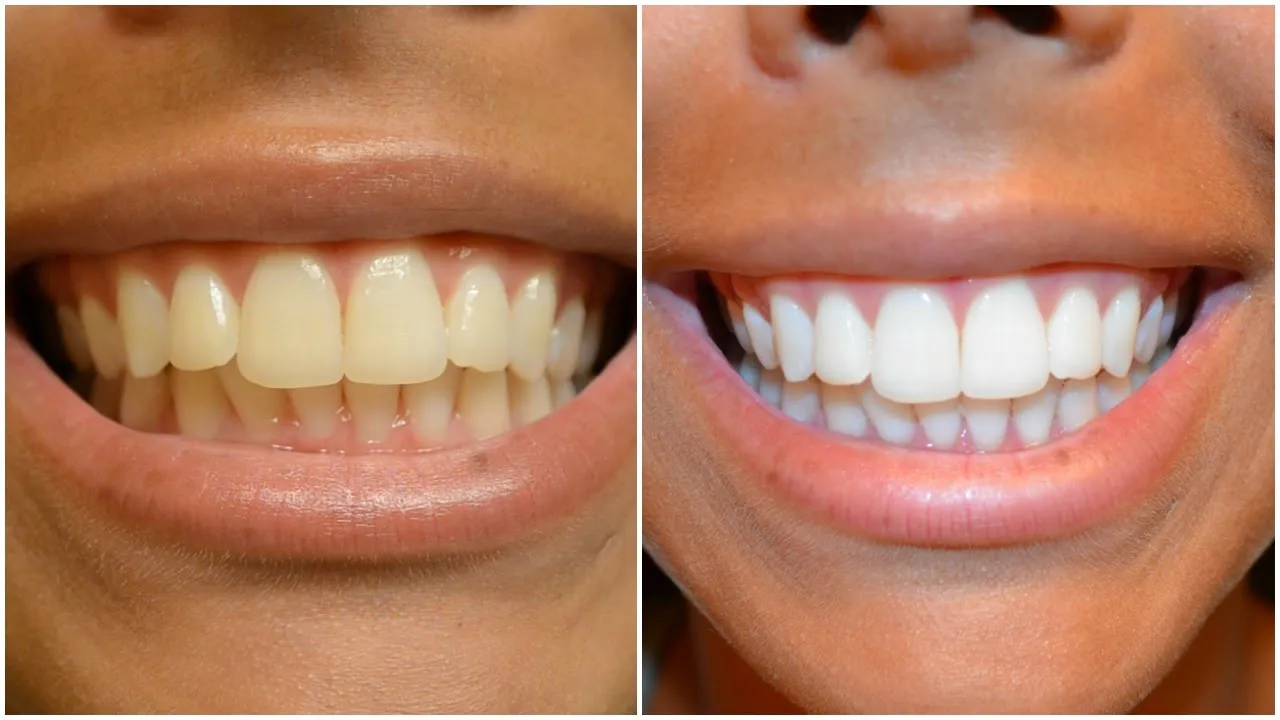
What are Whitening Strips?
Whitening strips have become a popular and convenient method for enhancing the brightness of your smile. These thin, flexible strips are coated with a peroxide-based whitening agent, typically hydrogen peroxide or carbamide peroxide. When applied to the teeth, these agents penetrate the enamel to break down stains and discoloration. Whitening strips are designed to be user-friendly, and many brands offer various options, from daily treatments to more intensive courses. They provide a cost-effective alternative to professional whitening treatments, allowing individuals to achieve noticeable results from the comfort of their homes. Understanding what whitening strips are and what they do is the first step to using them correctly and effectively.
How Do Whitening Strips Work?
The active ingredient in whitening strips, the peroxide-based whitening agent, is the key to their effectiveness. This chemical works by oxidizing the stain molecules embedded in the enamel of your teeth. As the oxidizing process occurs, the stain molecules are broken down, making them less visible and thereby making your teeth appear whiter. The strips are designed to adhere closely to the teeth, ensuring maximum contact of the whitening agent with the tooth surface. The duration of the treatment varies depending on the product, but typically, strips are worn for 30 minutes to an hour daily for a specific period. The results will become visible with consistent use over a few weeks. The concentration of the whitening agent, the duration of application, and the frequency of use can all affect the final outcome.
Why Brushing Before Whitening Strips Matters

Brushing before applying whitening strips plays a crucial role in optimizing their effectiveness. When you brush your teeth, you remove food particles, debris, and surface stains that can hinder the whitening agent’s contact with your enamel. By creating a clean surface, the peroxide can penetrate more efficiently, leading to better results. Brushing also removes the plaque buildup, which might act as a barrier, preventing the whitening agent from evenly distributing across the tooth surface. A thorough brushing routine primes your teeth, ensuring the whitening process is as effective as possible. This simple step can significantly enhance the overall outcome of your whitening treatment.
Removing Surface Stains for Better Results
Surface stains, often caused by coffee, tea, wine, and smoking, are a primary target for teeth whitening. Brushing before using whitening strips helps eliminate these surface stains, which can prevent the whitening agent from reaching deeper, more stubborn stains. Removing these surface-level discolorations ensures the whitening process works more uniformly, yielding more visible results. The act of brushing, coupled with the abrasive action of the toothpaste, gently lifts off the stains that have accumulated on the enamel’s surface. By addressing surface stains before using whitening strips, you create a cleaner canvas for the whitening process, allowing the active ingredients to focus on the more ingrained stains within the enamel.
Maximizing Whitening Strip Adhesion
Proper adhesion of the whitening strips is essential for their efficacy. Brushing your teeth beforehand helps remove the film of plaque and debris that can interfere with the strip’s ability to stick firmly to the tooth surface. A cleaner tooth surface ensures the strip adheres evenly, guaranteeing that the whitening agent makes consistent contact across the entire tooth. Poor adhesion can lead to uneven whitening and reduce the overall effectiveness of the treatment. By ensuring optimal adhesion, you’re maximizing the whitening potential of the strips and reducing the likelihood of them slipping or detaching prematurely. Furthermore, good adhesion allows the whitening agent to stay in contact with your teeth for the intended duration, leading to better and more consistent results.
The Correct Brushing Technique Before Strips

The way you brush before applying whitening strips can significantly influence the results. Use gentle, circular motions to remove plaque and debris effectively. Avoid aggressive scrubbing, which can irritate your gums and damage your enamel. Brushing for at least two minutes is crucial to ensure you thoroughly clean all tooth surfaces. Make sure you reach every tooth, including the back molars. Gently brush along the gum line to remove any bacteria or food particles. Finally, rinse your mouth thoroughly to remove any remaining toothpaste residue. A proper brushing technique provides a clean base for your whitening strips, which ultimately helps maximize their effectiveness and contributes to a brighter, healthier smile.
Type of Toothbrush to Use
The type of toothbrush you use when brushing before whitening strips also matters. A soft-bristled toothbrush is recommended as it is gentler on your gums and enamel. Hard-bristled brushes can be abrasive, potentially leading to enamel erosion and gum recession, which can cause sensitivity. Electric toothbrushes with soft brush heads are also a good option, as they can provide a thorough cleaning without excessive pressure. When selecting a toothbrush, look for one with rounded bristles to minimize any potential damage to your teeth and gums. Replace your toothbrush every three months or sooner if the bristles become frayed. Choose a toothbrush that is comfortable to use and fits well in your mouth to ensure a proper and effective brushing experience.
The Ideal Toothpaste for Pre-Whitening Brushing
The toothpaste you choose to use before applying whitening strips should ideally be a gentle one. Avoid toothpaste with harsh abrasives or whitening agents, as they might cause sensitivity and irritation, especially when used in conjunction with the whitening strips. Toothpastes with fluoride are beneficial as they help strengthen the enamel and protect against cavities. Opt for a toothpaste that focuses on cleaning and removing plaque without excessive abrasiveness. If you have sensitive teeth, look for a toothpaste specifically designed for sensitive teeth, as these products are formulated to minimize irritation. Always read the labels and choose a toothpaste that supports your oral health goals while preparing your teeth for the whitening strips.
Timing Your Brushing Before Application

The timing of when you brush your teeth before applying whitening strips is critical. Brush your teeth immediately before applying the strips. Ensure your teeth are clean and free of any food particles or debris. However, it’s also important to allow enough time after brushing for your mouth to adjust. Avoid brushing immediately before application, as this could interfere with the strips’ ability to adhere properly. A few minutes between brushing and applying the strips allows your saliva to return to its natural state, ensuring better adhesion and reducing the chances of the strips slipping. By following this timing, you ensure you’re creating the best conditions for optimal whitening results.
When Should You Brush After Whitening Strips?
You should avoid brushing your teeth immediately after removing the whitening strips. During the whitening process, your enamel pores open slightly, making them more susceptible to staining. Brushing right after could potentially reintroduce stains or cause sensitivity. It’s best to wait at least 30 minutes to an hour after removing the strips before brushing. This allows your enamel to re-mineralize and close the pores, reducing the risk of staining or irritation. If you feel the need to freshen your breath, rinse your mouth with water or a gentle mouthwash instead of brushing right away. Patience is key; waiting before brushing helps maintain your whitening results and protects your teeth from potential damage.
Potential Problems of Brushing Too Soon
Brushing your teeth too soon after applying whitening strips can lead to several potential problems. Increased tooth sensitivity is one of the most common side effects. The whitening agent can temporarily weaken the enamel, making the teeth more vulnerable to abrasion from brushing. This can cause irritation and discomfort. Additionally, brushing immediately after removing the strips may reduce their whitening effectiveness. The active ingredients in the strips work by penetrating the enamel; brushing right after may disrupt this process. Finally, brushing too soon can cause gum irritation, especially if you brush aggressively. It’s best to wait the recommended time to allow your teeth and gums to recover before brushing. This simple practice supports the whitening process and protects your oral health.
Sensitivity and Irritation

Teeth sensitivity and gum irritation are potential side effects of using whitening strips, especially if you brush too aggressively or too soon after use. The whitening agent can cause temporary changes in the tooth’s structure, increasing sensitivity. The gums might also become irritated due to exposure to the whitening agent. To minimize these effects, brush gently with a soft-bristled toothbrush and use toothpaste designed for sensitive teeth. Also, always follow the manufacturer’s instructions and avoid using whitening strips more frequently than recommended. If sensitivity or irritation persists, consider consulting your dentist. Your dentist can recommend treatments to soothe your teeth and help you manage the side effects while still achieving your whitening goals.
Best Practices for Maintaining Whitening Results
To maintain your whitening results, incorporate good oral hygiene practices into your daily routine. Brush your teeth twice a day, floss daily, and use a fluoride mouthwash. Avoid or limit consumption of staining foods and beverages like coffee, tea, and red wine. If you consume these items, rinse your mouth with water afterward or brush your teeth after waiting the recommended time. Regular dental checkups and cleanings are essential, as your dentist can remove any surface stains and provide professional advice to keep your smile bright. Consider using whitening toothpaste or touch-up strips occasionally to maintain your results. With consistent care and good habits, you can enjoy a bright, white smile for a long time.