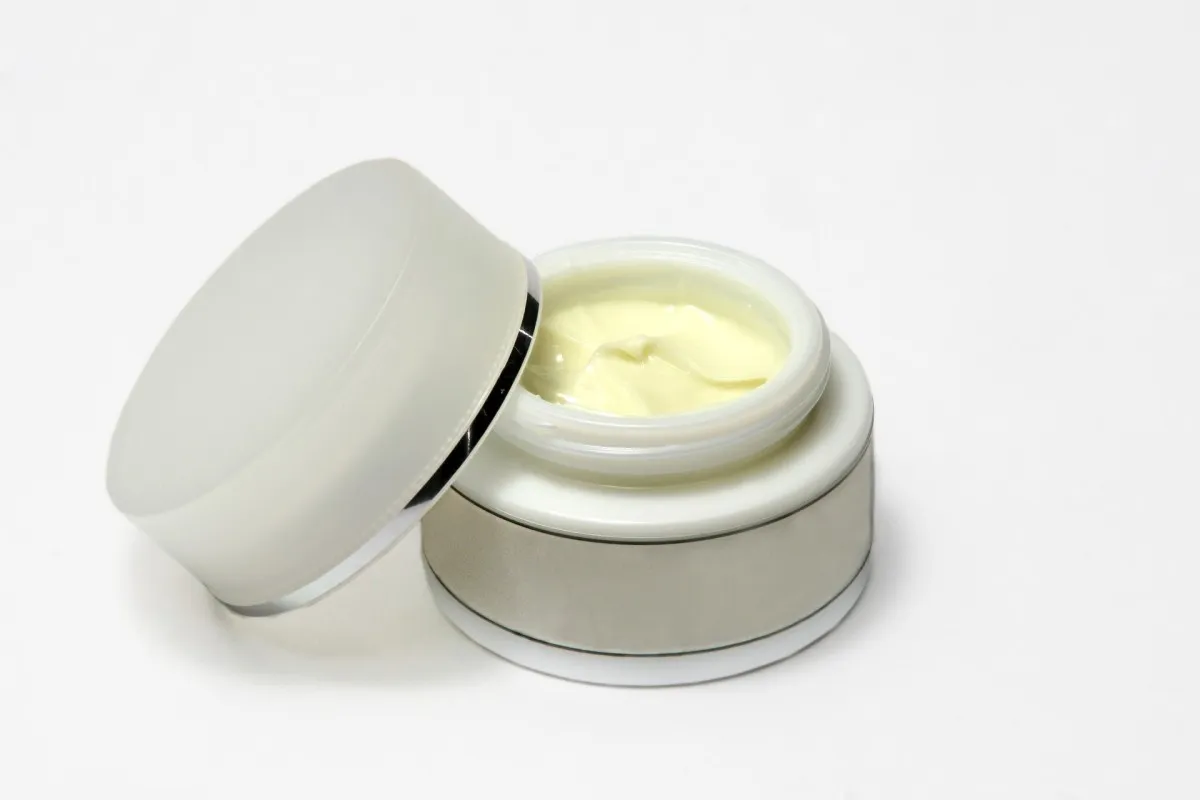
Understanding Skin Whitening Creams
Skin whitening creams, also known as skin lightening creams, are cosmetic products designed to reduce the concentration of melanin in the skin, thereby lightening its tone. These creams have gained popularity worldwide, with many individuals seeking to achieve a brighter, more even complexion. However, it’s essential to approach the use of skin whitening creams with caution, understanding their ingredients, how they work, potential risks, and how to safely incorporate them into your skincare routine. This guide aims to provide a comprehensive overview of skin whitening creams, covering everything from their composition and mechanisms of action to DIY recipes, safety precautions, and alternative treatments.
What are Skin Whitening Creams
Skin whitening creams are topical products that lighten the skin by reducing melanin production. Melanin is the pigment responsible for the color of our skin, hair, and eyes. These creams typically contain active ingredients that interfere with the process of melanin synthesis. The goal is to diminish the appearance of dark spots, hyperpigmentation, and uneven skin tone, ultimately leading to a lighter complexion. It’s important to note that these creams are not intended to bleach the skin entirely but rather to lighten it by a few shades, improving the overall appearance and radiance. The effectiveness and safety of a skin whitening cream depend heavily on its formulation and the individual’s skin type.
How Skin Whitening Creams Work

Skin whitening creams work primarily by inhibiting the enzyme tyrosinase, which is essential for melanin production. This enzyme catalyzes the conversion of tyrosine into melanin. By blocking tyrosinase, these creams can reduce the amount of melanin produced, leading to lighter skin. Different ingredients achieve this in various ways, such as by directly interfering with tyrosinase activity, reducing the transfer of melanin to skin cells, or promoting skin cell turnover to shed pigmented cells. The efficacy of a skin whitening cream also depends on factors like the concentration of active ingredients, the frequency of application, and the individual’s skin type and overall health. Understanding the mechanisms of action is crucial for selecting the most appropriate and effective product.
Common Ingredients in Skin Whitening Creams
Several ingredients are commonly found in skin whitening creams, each with its unique mechanism of action. Hydroquinone is a potent skin-lightening agent that inhibits tyrosinase and is often prescribed by dermatologists. However, it can cause side effects like skin irritation and ochronosis (a darkening of the skin) with prolonged use, which is why its use is regulated in many countries. Kojic acid is another tyrosinase inhibitor derived from fungi, known for its antioxidant and skin-lightening properties. Vitamin C (ascorbic acid) is a powerful antioxidant that also inhibits melanin production and promotes collagen synthesis, contributing to overall skin health. Other ingredients include arbutin, niacinamide, and certain plant extracts like licorice extract, which have shown skin-lightening effects. It’s crucial to check the ingredient list carefully and consult a dermatologist before using any skin whitening cream.
DIY Skin Whitening Cream Recipe Amazing Guide
Creating your own skin whitening cream at home can be a rewarding experience, allowing you to control the ingredients and avoid potentially harmful chemicals. However, it’s essential to research and use ingredients with known skin-lightening properties while prioritizing safety and hygiene. This guide provides a basic DIY recipe, but always perform a patch test before applying it to your entire face or body. Remember, homemade creams may not be as effective as professional treatments, and their shelf life is often shorter.
Ingredients You’ll Need

To make a basic DIY skin whitening cream, you will need the following ingredients, all of which are readily available online or in health food stores: 2 tablespoons of aloe vera gel, known for its soothing and moisturizing properties. 1 teaspoon of licorice root extract, which contains glabridin, known for its skin-lightening effects. 1/2 teaspoon of vitamin C powder, an antioxidant that helps brighten the skin. 1 teaspoon of rosehip oil, rich in vitamins and essential fatty acids. 5-7 drops of tea tree oil, which can act as a natural preservative and has antibacterial properties. Ensure that you source your ingredients from reputable suppliers to guarantee quality and purity.
Step-by-Step Instructions
Follow these steps to create your skin whitening cream: In a clean glass bowl, combine the aloe vera gel, licorice root extract, and vitamin C powder. Mix well until the vitamin C powder is completely dissolved. Add the rosehip oil and tea tree oil. Stir thoroughly to ensure all ingredients are evenly distributed. Transfer the mixture into a clean, airtight container. Store the cream in a cool, dark place to maintain its efficacy. It’s important to use clean utensils and containers to prevent contamination. Label the container with the date of preparation for freshness.
Mixing and Application
After following the instructions, carefully mix the ingredients together in a clean glass bowl. Make sure all ingredients are well combined and the mixture has a uniform consistency. Apply a small amount of the cream to a small area of your skin, such as the inner arm, to perform a patch test. Wait 24 hours to see if any adverse reactions, such as redness, irritation, or itching, occur. If no adverse reactions are observed, you can proceed to apply the cream to your face or body. Apply a thin layer of the cream to the desired areas once or twice daily, ideally at night. Gently massage the cream into the skin until it’s fully absorbed. Be patient, as it may take several weeks or even months to see noticeable results. Always use sunscreen during the day, as skin whitening creams can make your skin more sensitive to the sun.
Tips for the Best Results

To maximize the effectiveness of your DIY skin whitening cream and achieve the best results, consider these tips: Exfoliate your skin regularly to remove dead skin cells, which can enhance the penetration of the cream’s active ingredients. Choose gentle exfoliants, such as those containing AHAs (alpha hydroxy acids) or BHAs (beta hydroxy acids), and use them once or twice a week. Stay hydrated by drinking plenty of water to keep your skin healthy and radiant from the inside out. Protect your skin from sun exposure by using a broad-spectrum sunscreen with an SPF of 30 or higher every day. Wear protective clothing, such as hats and long sleeves, when outdoors. Be consistent with your application and incorporate the cream into your daily skincare routine. Avoid using harsh or irritating skincare products that could compromise the effectiveness of the skin whitening cream. Always consult with a dermatologist if you have any concerns or experience adverse reactions.
Safety Precautions
Using skin whitening creams requires careful consideration of potential side effects and safety precautions. Before using any skin whitening product, it’s crucial to be aware of the potential risks and take necessary steps to minimize them. This ensures a safe and effective experience, minimizing the risk of adverse reactions and long-term skin damage.
Potential Side Effects
Skin whitening creams can cause various side effects, ranging from mild to severe. Common side effects include skin irritation, redness, itching, and dryness. More serious side effects, such as ochronosis (a permanent darkening of the skin), skin thinning, and increased sensitivity to the sun, can occur, especially with long-term use of creams containing hydroquinone. Some individuals may also experience allergic reactions or contact dermatitis. It is crucial to discontinue use immediately if you experience any adverse reactions and seek medical advice from a dermatologist. Be especially cautious when purchasing creams from unregulated sources, as they may contain harmful ingredients.
Allergy Testing

Before applying any skin whitening cream, whether store-bought or homemade, it is crucial to perform a patch test to check for potential allergic reactions. Apply a small amount of the cream to a small area of skin, such as behind the ear or on the inner forearm. Wait 24-48 hours and observe the area for any signs of irritation, such as redness, itching, swelling, or blistering. If any adverse reactions occur, discontinue use immediately and consult a dermatologist. If no reaction is observed, you can cautiously proceed with applying the cream to a larger area. This simple test can help you identify and avoid potential allergic reactions, ensuring the safety of your skincare routine.
Alternatives to Skin Whitening Creams
While skin whitening creams are a common approach to achieving a lighter complexion, several alternatives offer skin brightening and improved skin health without the potential risks associated with certain ingredients. These alternatives often focus on promoting skin health and radiance, rather than solely reducing melanin production. Understanding these options can help you choose the safest and most effective path to achieving your desired results.
Natural Remedies for Skin Brightening
Several natural remedies can help brighten the skin and improve its overall appearance. Regular exfoliation with gentle scrubs containing ingredients like sugar or oatmeal can remove dead skin cells, revealing a brighter complexion. Applying a mask made with yogurt and honey can hydrate and soothe the skin, while also providing mild brightening effects. Using lemon juice, which contains citric acid, can help with brightening but must be used with caution due to its potential for irritation and sun sensitivity; always dilute it with water and perform a patch test. Incorporating foods rich in antioxidants, such as berries and leafy greens, into your diet can also improve skin health and radiance. Remember, natural remedies often take time to show results and require consistency.
Professional Treatments

For more significant and faster results, various professional treatments are available to brighten the skin. Chemical peels use chemical solutions to exfoliate the skin, reducing hyperpigmentation and improving skin tone. Laser treatments, such as IPL (Intense Pulsed Light) or fractional lasers, can target and break down melanin, leading to a lighter complexion. Microdermabrasion is a minimally invasive procedure that exfoliates the skin and stimulates collagen production. Consulting a dermatologist or a qualified skincare professional is essential to determine the most suitable treatment based on your skin type, concerns, and desired outcomes. Always research and choose reputable professionals to ensure the safety and effectiveness of the treatments.
Conclusion
Making skin whitening cream can be a complex process that demands understanding of ingredients, safety measures, and potential risks. While DIY recipes offer an accessible option, it’s crucial to prioritize safety and conduct thorough research. Always consider the potential for adverse reactions and the importance of sun protection. Whether opting for homemade creams, natural remedies, or professional treatments, the journey to achieving a brighter complexion should always prioritize the health and well-being of your skin. Consulting a dermatologist can help ensure you make informed decisions and achieve the best results safely.