Understanding Teeth Sensitivity After Whitening
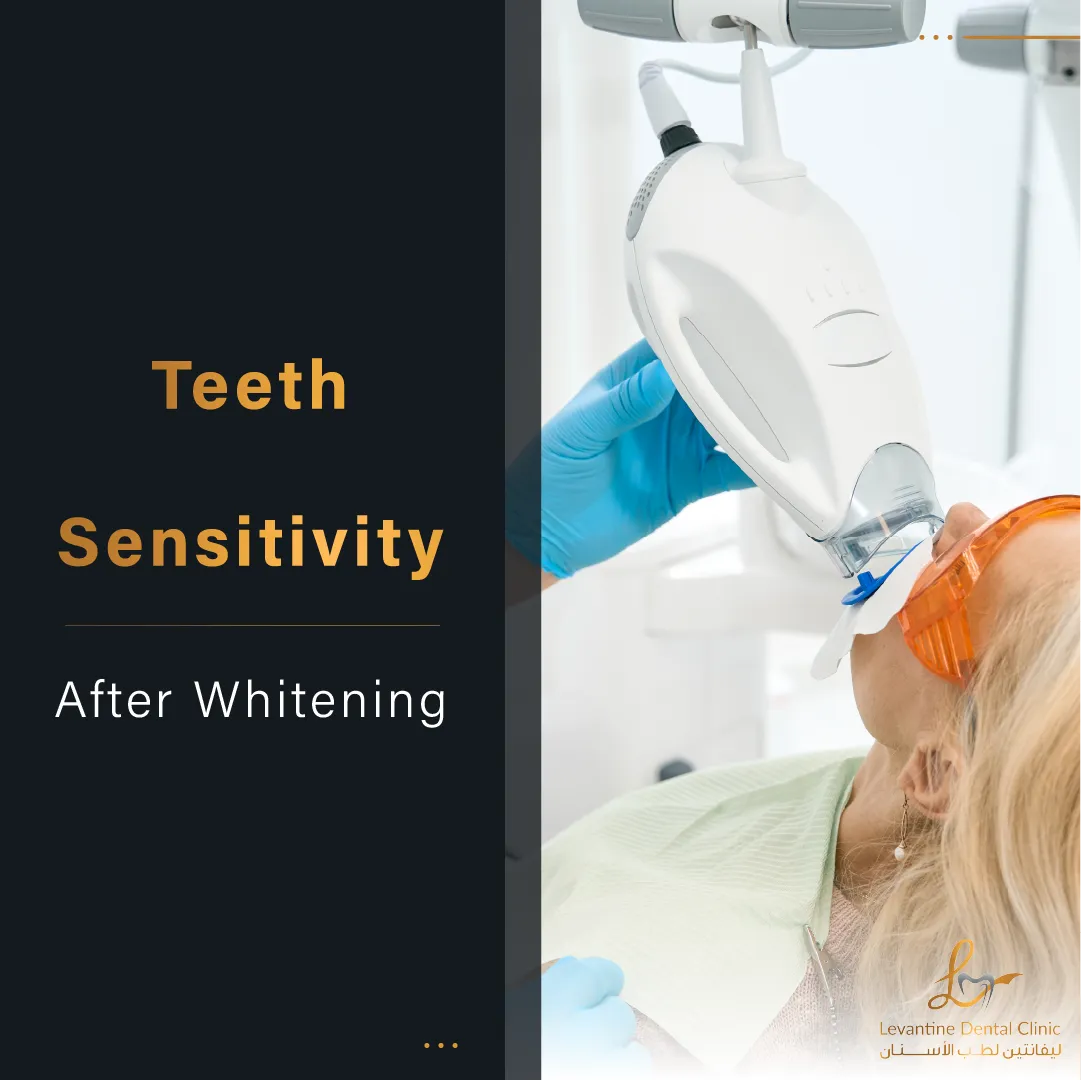
Teeth sensitivity after whitening is a common and often temporary side effect. It occurs because the whitening agents, typically hydrogen peroxide or carbamide peroxide, penetrate the enamel to break down stains. This process can irritate the nerves in your teeth, leading to sensitivity. Understanding the underlying causes and mechanisms is the first step in effectively managing and reducing this discomfort. The good news is that most cases of sensitivity are mild and resolve within a few days, provided proper care is taken.
Causes of Teeth Sensitivity After Whitening
Several factors contribute to teeth sensitivity after whitening. The primary cause is the chemical action of the whitening agents, which can temporarily dehydrate the teeth and open up the dentinal tubules. These tubules are tiny channels that lead directly to the nerve center of the tooth. When exposed, the nerves become more susceptible to stimuli like temperature changes or pressure. Other contributing factors include the concentration of the whitening agent, the duration of its use, and individual variations in tooth enamel thickness and porosity. People with naturally thin enamel or existing dental issues like cavities or gum recession may experience greater sensitivity.
The Whitening Process and Sensitivity

The process of teeth whitening, whether done professionally or at home, inherently involves some degree of sensitivity risk. Professional whitening treatments often use higher concentrations of bleaching agents, leading to a more rapid whitening effect but potentially increased sensitivity. At-home kits typically use lower concentrations, but repeated or prolonged use can still cause discomfort. The bleaching agents work by breaking down the stains that have accumulated on and within the tooth enamel. This process can lead to temporary changes in the tooth’s structure, making it more sensitive to external stimuli.
How Long Does Teeth Sensitivity Last?
The duration of teeth sensitivity after whitening varies from person to person. For most individuals, sensitivity peaks within 24 to 48 hours of the treatment and gradually subsides within a few days to a week. However, in some cases, sensitivity may persist for longer, especially if the whitening process was particularly aggressive or if the individual has pre-existing dental conditions. If the sensitivity lasts for more than a couple of weeks, it is advisable to consult with a dentist to rule out any underlying issues or complications.
Top Remedies for Sensitive Teeth
Several effective remedies can help alleviate teeth sensitivity after whitening. These strategies focus on minimizing exposure to sensitivity triggers, strengthening the tooth enamel, and reducing nerve irritation. The specific approach that works best may vary from person to person, but often a combination of techniques yields the most significant results. From over-the-counter products to professional treatments, various options are available to manage and mitigate the discomfort associated with sensitive teeth.
Using Sensitivity Toothpaste

Sensitivity toothpastes are specially formulated to reduce tooth sensitivity by blocking the dentinal tubules or desensitizing the nerve endings. These toothpastes typically contain ingredients like potassium nitrate or stannous fluoride. Potassium nitrate works by blocking the transmission of pain signals from the nerves in the teeth, while stannous fluoride helps to strengthen the enamel and reduce sensitivity. It’s recommended to switch to a sensitivity toothpaste a couple of weeks before whitening and to continue using it throughout and after the process for best results. Consistent use is key to achieving the desired effect.
Fluoride Treatments for Sensitivity Relief
Fluoride treatments are a valuable tool for reducing teeth sensitivity. Fluoride strengthens the enamel, making teeth more resistant to acid attacks and other irritants. It can also help to block the dentinal tubules, further reducing sensitivity. Fluoride treatments can be obtained from various sources. Over-the-counter fluoride mouthwashes and toothpastes offer a low-concentration fluoride boost for daily use. Professional fluoride treatments, administered by a dentist, provide a higher concentration for more intense relief. In-office treatments are especially beneficial after teeth whitening, as they help to remineralize the enamel and reduce sensitivity.
Over-the-Counter Pain Relief
For immediate relief from sensitivity pain, over-the-counter pain relievers can be very effective. Nonsteroidal anti-inflammatory drugs (NSAIDs), such as ibuprofen (Advil, Motrin) or naproxen (Aleve), can help reduce inflammation and alleviate pain. Acetaminophen (Tylenol) is another option, although it does not have anti-inflammatory properties. It’s crucial to follow the dosage instructions on the packaging and to avoid exceeding the recommended daily limit. If pain persists or worsens, it’s advisable to consult with a dentist to address the underlying cause of the sensitivity.
At-Home Remedies for Sensitive Teeth

In addition to specific products, several at-home remedies can help manage teeth sensitivity. Rinsing with lukewarm salt water can reduce inflammation and soothe irritated gums. Avoiding acidic foods and drinks, such as citrus fruits, sodas, and vinegar-based dressings, helps to prevent enamel erosion. Using a soft-bristled toothbrush and brushing gently can also minimize irritation. You can also try to apply a small amount of sensitivity toothpaste to the sensitive areas and leave it there for a few minutes before brushing. These simple steps can make a significant difference in reducing discomfort.
Avoiding Hot and Cold Foods and Drinks
One of the easiest and most immediate ways to reduce teeth sensitivity is to avoid extreme temperatures in your diet. Hot and cold foods and drinks are the primary triggers for sensitivity. Try to consume beverages at room temperature or use a straw to bypass your teeth. When eating, avoid taking large bites of extremely hot or cold items. Over time, this practice can make a big difference. By being mindful of what you consume and how you consume it, you can minimize the triggers and significantly reduce the pain associated with sensitive teeth.
Proper Brushing Techniques
Proper brushing techniques play a vital role in maintaining oral health and minimizing sensitivity. Always use a soft-bristled toothbrush to avoid wearing down the enamel and irritating the gums. Brush gently, using a circular motion, and avoid applying excessive pressure. Over-aggressive brushing can contribute to gum recession, which exposes the tooth roots and increases sensitivity. Brushing twice a day for two minutes is recommended to effectively remove plaque and food particles without causing unnecessary harm. Additionally, make sure to brush all surfaces of your teeth, including the back teeth and along the gumline.
The Role of Diet in Reducing Sensitivity

Your diet can significantly impact the level of teeth sensitivity you experience. Certain foods and drinks can exacerbate the problem. Highly acidic foods, such as citrus fruits, tomatoes, and vinegar-based dressings, can erode enamel and increase sensitivity. Sugary foods and drinks promote plaque buildup, which can also contribute to sensitivity. Instead, focus on a balanced diet rich in calcium and other nutrients that support healthy teeth. Dairy products, leafy green vegetables, and nuts are excellent choices. Drinking plenty of water also helps to keep your mouth hydrated and reduces the risk of sensitivity.
Professional Treatments for Sensitive Teeth
When at-home remedies aren’t sufficient, professional treatments from a dentist can provide more comprehensive relief for sensitive teeth. These treatments are designed to address the underlying causes of sensitivity and provide long-lasting results. The dentist can assess the severity of the sensitivity and recommend the most appropriate course of action. Professional treatments often include in-office fluoride applications and desensitizing agents. They also allow the dentist to identify and address any underlying dental issues that may be contributing to the problem.
In-Office Fluoride Treatments
In-office fluoride treatments are a potent way to alleviate teeth sensitivity. During the procedure, a dentist or hygienist applies a high-concentration fluoride solution, gel, or varnish directly to the teeth. This helps to strengthen the enamel and block the dentinal tubules. In-office treatments offer a significantly higher concentration of fluoride compared to over-the-counter products, providing more immediate and longer-lasting relief. These treatments are particularly beneficial after teeth whitening. The dentist can also provide personalized advice on how to maintain the results at home.
Desensitizing Agents Applied by a Dentist

Dentists can use desensitizing agents to provide targeted relief from teeth sensitivity. These agents work by blocking the dentinal tubules or reducing nerve irritation. Common desensitizing agents include varnishes, bonding agents, and other specialized products. The dentist applies these agents directly to the sensitive areas of the teeth. Desensitizing agents can provide immediate relief, and the effects often last longer than over-the-counter products. They are particularly effective for treating sensitivity caused by receding gums or other localized issues.
When to See a Dentist
While teeth sensitivity after whitening is usually temporary, it’s important to know when to seek professional dental care. If the sensitivity is severe, persistent (lasting more than a couple of weeks), or accompanied by other symptoms like pain or swelling, it’s important to consult your dentist. These could be indicators of underlying dental issues like cavities, gum disease, or cracks in the teeth. The dentist can perform a thorough examination, diagnose the cause of the sensitivity, and recommend the appropriate treatment plan.
Identifying Severe Sensitivity Symptoms
Recognizing the symptoms of severe teeth sensitivity is crucial for seeking timely professional help. Severe sensitivity may manifest as sharp, shooting pains in response to hot, cold, sweet, or acidic stimuli. This pain may be debilitating and interfere with daily activities. Other symptoms include pain that lingers after the stimulus is removed, swollen gums, or visible signs of tooth damage, such as cracks or chips. If you experience any of these symptoms, it’s essential to schedule an appointment with your dentist as soon as possible.
Preventing Future Sensitivity Issues

Preventing future teeth sensitivity involves implementing good oral hygiene habits and making informed lifestyle choices. Regular brushing with a soft-bristled toothbrush, flossing daily, and using a fluoride toothpaste can help to maintain healthy teeth and gums. Avoiding aggressive brushing techniques and acidic foods and drinks will also help. If you are planning to whiten your teeth, consult your dentist beforehand to discuss potential risks and preventative measures. Regular dental check-ups and professional cleanings are also essential for early detection of any potential issues.