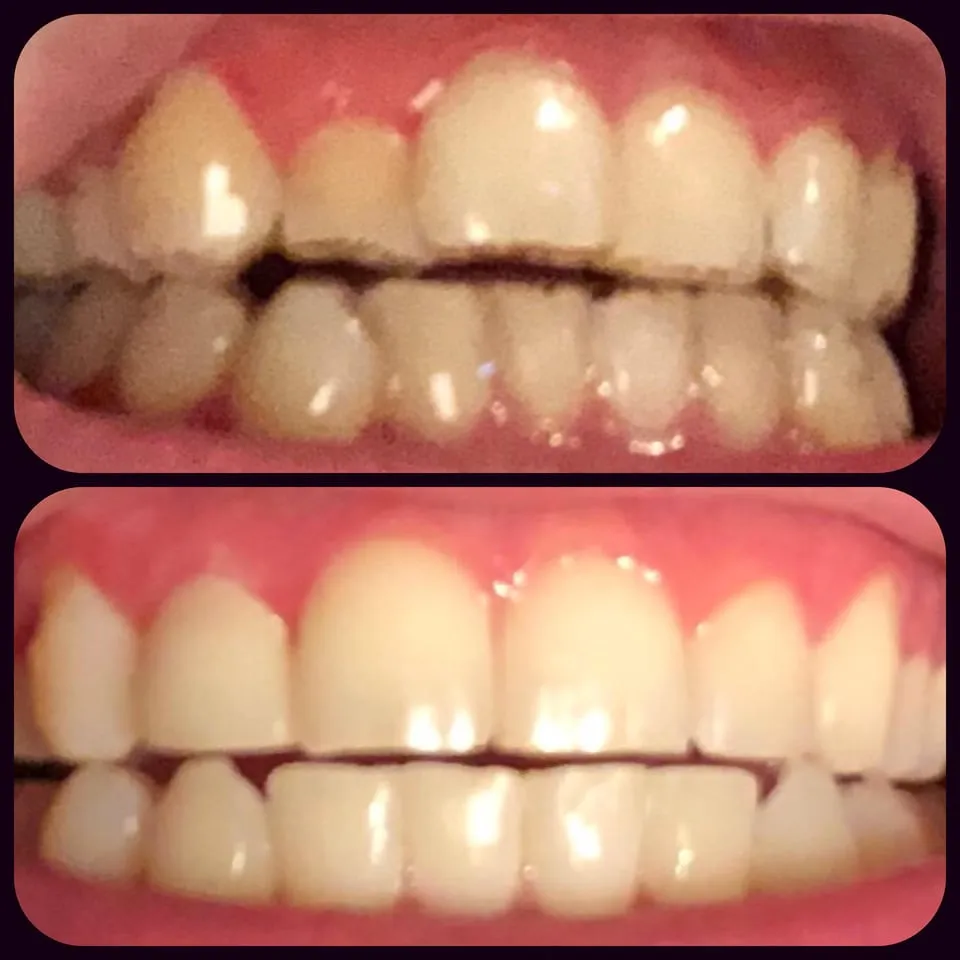
What is Invisalign Whitening?
Invisalign whitening is a revolutionary cosmetic dental procedure that combines the benefits of Invisalign clear aligners with professional-grade teeth whitening treatments. This innovative approach allows individuals undergoing Invisalign treatment to simultaneously straighten their teeth and enhance their smile’s brightness. The process involves using the Invisalign trays themselves as a vehicle for applying whitening agents, ensuring even and consistent coverage across the entire tooth surface. This dual-purpose treatment offers a convenient and effective way to achieve a straighter, whiter smile, boosting both aesthetics and confidence. The integration of whitening into the Invisalign process streamlines the treatment, saving time and optimizing results, making it a popular choice for those seeking a comprehensive smile makeover.
How Invisalign Whitening Works
The effectiveness of Invisalign whitening hinges on the precise application of whitening agents within the clear aligner trays. These trays, custom-made to fit each patient’s teeth, act as a perfect delivery system. Typically, a dentist will prescribe a professional-grade whitening gel containing either carbamide peroxide or hydrogen peroxide. Patients apply a small amount of this gel into their Invisalign trays, which they then wear for a specific duration, as directed by their dentist. The aligners create a sealed environment, ensuring the whitening agent maintains consistent contact with the teeth. This method provides several advantages over traditional whitening methods, including even distribution, minimized exposure to the soft tissues of the mouth, and the ability to whiten teeth throughout the Invisalign treatment duration. Regular dental check-ups are essential to monitor progress and adjust the treatment plan as needed, guaranteeing optimal results and maintaining oral health.
The Importance of Proper Whitening Technique

Achieving optimal results with Invisalign whitening depends heavily on a proper technique. The first step is always to consult with your dentist. They will assess your oral health, determine the suitability of whitening, and provide tailored instructions. Proper application involves using the correct amount of whitening gel, avoiding overfilling the trays, which can cause the gel to leak and irritate the gums. Consistent use is crucial. Patients must adhere strictly to the prescribed wear time, typically ranging from a few hours daily to overnight, as advised by their dentist. Furthermore, maintaining good oral hygiene is essential. Brushing and flossing before applying the gel ensures a clean tooth surface, enhancing the whitening agent’s effectiveness. Regular dental check-ups are also vital to monitor progress and address any potential side effects promptly, such as sensitivity.
Choosing the Right Whitening Products
Choosing the right whitening products is a crucial aspect of the Invisalign whitening process. It is essential to use products specifically designed for professional use, as they contain higher concentrations of whitening agents like hydrogen peroxide or carbamide peroxide. These stronger formulas provide faster and more effective whitening compared to over-the-counter options. Always consult your dentist before selecting a whitening product. They will recommend a product suitable for your specific needs and oral health. Considerations include the concentration of the active ingredient, the formulation (gel or liquid), and any added ingredients to minimize sensitivity. Avoid abrasive whitening toothpastes or products containing high levels of abrasives, as these can potentially damage the enamel while using Invisalign trays. The dentist’s guidance ensures both effectiveness and safety throughout the treatment.
Top Whitening Products to Use with Invisalign
Several top-tier whitening products work exceptionally well with Invisalign. These products are generally available through your dentist, who can also guide their use. Typically, these products come in the form of professional-grade whitening gels. Popular choices include gels with varying concentrations of hydrogen peroxide or carbamide peroxide. The choice depends on your individual needs and sensitivity levels, with the dentist making the best recommendation. Some products also incorporate desensitizing agents, such as potassium nitrate or fluoride, which can help minimize tooth sensitivity. The specific products and their application instructions are essential for achieving the best results. Always follow your dentist’s recommendations and instructions for safe and effective use. Remember, consistency is key to maximizing whitening benefits while undergoing Invisalign treatment.
Application and Usage Tips

To effectively use Invisalign trays for whitening, careful application and adherence to instructions are critical. Begin by thoroughly cleaning your teeth before applying the whitening gel. This removes surface stains and food particles, allowing the whitening agent to work more effectively. Apply a small amount of whitening gel, as prescribed by your dentist, into each tray. Overfilling can cause the gel to spill over, potentially irritating your gums. Carefully insert the trays into your mouth, ensuring they fit snugly over your teeth. Wear the trays for the duration specified by your dentist, typically several hours a day or overnight. During wear, avoid eating or drinking anything other than water. Once the treatment is complete, remove the trays, rinse them thoroughly, and clean your teeth. Regular and consistent application, as directed by your dentist, is crucial for achieving optimal results.
Step-by-Step Guide to Applying Whitening with Trays
The step-by-step application of whitening gel with Invisalign trays ensures effectiveness and safety. Start by brushing and flossing your teeth to remove any plaque or debris. Rinse your mouth thoroughly. Next, apply a small amount of whitening gel into each tray, following your dentist’s instructions, usually a small bead of gel per tooth impression. Carefully insert the trays into your mouth, ensuring they are seated correctly and comfortably over your teeth. Wear the trays for the prescribed duration, typically as advised by your dentist. Avoid eating or drinking anything other than water while the trays are in. After the wear time, remove the trays and rinse them with cool water. Brush your teeth again to remove any remaining gel. Regularly monitor your progress, and consult with your dentist if you have any concerns or questions.
Maximizing Whitening Effectiveness
To maximize the effectiveness of your Invisalign whitening treatment, several factors need consideration. Consistent application is paramount; always adhere to the prescribed wear time and frequency, as instructed by your dentist. Maintaining excellent oral hygiene, including regular brushing and flossing, is crucial to remove surface stains and plaque that can impede the whitening process. Minimize the consumption of staining foods and drinks, like coffee, tea, red wine, and berries, as they can reduce the whitening effects. Consider using a whitening toothpaste and mouthwash, as recommended by your dentist. Regular dental check-ups and professional cleanings can also help maintain your results. Finally, be patient, as it may take several weeks to see the full impact of the whitening treatment, depending on the degree of staining and the whitening agent used.
Tips for Optimal Results

To achieve the best results with Invisalign whitening, follow these key tips. Always follow your dentist’s instructions regarding application, wear time, and product usage. Maintain diligent oral hygiene by brushing and flossing regularly to remove surface stains and plaque. Avoid or limit consumption of stain-causing foods and drinks such as coffee, tea, red wine, and berries. If you do consume these items, rinse your mouth with water afterward. Be patient, as noticeable whitening may take several weeks to manifest. Avoid smoking, as tobacco use significantly stains teeth and diminishes whitening results. Consider using a desensitizing toothpaste if you experience sensitivity. Regular dental check-ups are essential to monitor your progress and address any issues. Finally, be proactive in discussing your progress and any concerns with your dentist.
Potential Side Effects and Solutions
While Invisalign whitening is generally safe, some potential side effects can occur. The most common side effect is tooth sensitivity, which can manifest as temporary discomfort or pain when consuming hot or cold foods and drinks. Gum irritation is another possible side effect, especially if the whitening gel comes into contact with gum tissue. In rare cases, some individuals may experience changes in the soft tissues of the mouth. To mitigate these side effects, always use the whitening products as directed. Consider using a desensitizing toothpaste, which can help reduce sensitivity. Ensure the whitening gel does not overflow onto your gums. If gum irritation occurs, discontinue use and consult your dentist. Regular dental check-ups are essential to monitor your progress and address any issues before they become severe. Most side effects are temporary and resolve once the treatment is adjusted or completed.
Managing Sensitivity During Whitening
Managing tooth sensitivity during Invisalign whitening is crucial for a comfortable experience. If you experience sensitivity, try using a desensitizing toothpaste containing potassium nitrate or fluoride, which helps block pain signals to the nerves in your teeth. Apply the toothpaste to your teeth for a few minutes before and after using the whitening trays, following the dentist’s instructions. Reduce the duration of whitening treatment, or take a break for a day or two. Avoid consuming extremely hot or cold foods and drinks, which can exacerbate sensitivity. Use a soft-bristled toothbrush to avoid further irritation to your gums. Consider using a fluoride rinse as advised by your dentist, to help strengthen your enamel and reduce sensitivity. If sensitivity persists, consult your dentist; they may recommend adjustments to the whitening product or treatment plan.
Maintaining Your Results

Maintaining the results of your Invisalign whitening requires consistent care and attention. Regular brushing and flossing are essential to remove surface stains and prevent plaque buildup. Avoid or limit your consumption of staining foods and drinks, such as coffee, tea, red wine, and dark-colored berries. If you consume these items, rinse your mouth with water immediately afterward. Consider using a whitening toothpaste and mouthwash to help maintain the brightness of your smile. Regular dental check-ups and professional cleanings are crucial for removing any stains and ensuring your teeth and gums remain healthy. Consider touch-up treatments with whitening trays, as recommended by your dentist, to maintain your desired level of brightness. Adopting a proactive approach to oral hygiene and lifestyle choices will ensure long-lasting, dazzling results.
Lifestyle Tips for a Brighter Smile
Several lifestyle choices can significantly impact the brightness and overall health of your smile. First, limit or avoid consuming staining foods and beverages such as coffee, tea, red wine, and dark-colored berries. If you do consume them, rinse your mouth with water immediately afterward. Avoid tobacco products, as smoking and chewing tobacco stain teeth and negatively impact oral health. Practice excellent oral hygiene by brushing your teeth twice daily and flossing once a day. Use a whitening toothpaste to help remove surface stains and maintain a brighter smile. Drink plenty of water throughout the day, as it helps rinse away food particles and keeps your mouth hydrated. Maintain a balanced diet rich in fruits and vegetables, which promotes overall health and oral hygiene. Schedule regular dental check-ups and cleanings to monitor your oral health and address any concerns promptly.
Foods and Drinks to Avoid
Certain foods and drinks can undermine the effectiveness of your Invisalign whitening treatment and stain your teeth. The most significant culprits include coffee, tea, and red wine, which contain strong pigments that can easily stain enamel. Dark-colored sodas and fruit juices, such as cranberry and grape juice, also have staining properties. Highly pigmented fruits like blueberries, blackberries, and raspberries should be limited. Foods with strong coloring agents, such as soy sauce, balsamic vinegar, and curries, can stain teeth. It’s essential to be mindful of these items during and immediately after your whitening treatments. If you consume these foods or drinks, rinse your mouth with water or brush your teeth afterward to minimize staining. Adopting a diet that is conscious of these factors can help maintain the brilliance of your smile.
When to See a Dentist

Regular dental check-ups are crucial throughout the Invisalign whitening process to ensure optimal results and oral health. You should see your dentist before starting any whitening treatment to assess your oral health and determine if whitening is suitable for you. During the treatment, visit your dentist regularly, typically every few weeks, to monitor your progress and address any potential side effects, such as sensitivity or gum irritation. If you experience significant sensitivity, pain, or discomfort, schedule an appointment immediately. If you notice any changes in your teeth or gums, such as new stains or inflammation, consult your dentist promptly. Regular professional cleanings are also essential to remove plaque and surface stains, maintaining the brilliance of your smile. Open communication with your dentist ensures the best possible outcomes and a healthy, beautiful smile.
Understanding the Timeline
Understanding the timeline for Invisalign whitening is essential for managing expectations and achieving the best results. The duration of the whitening process varies depending on individual factors such as the initial shade of your teeth, the severity of the staining, and the chosen whitening product. Generally, you can expect to see some initial results within a few days or weeks of starting the treatment. However, significant improvements may take several weeks or even months to fully manifest. The progress will depend on how consistently you follow the instructions, use the whitening trays, and maintain good oral hygiene. During your regular dental check-ups, your dentist will monitor your progress and can adjust your treatment plan accordingly. Be patient and consistent with your treatment; the results will become increasingly visible over time, leading to a brighter, more confident smile.
Common Questions Answered
Many people have questions about Invisalign whitening. Some common questions include, “How long will the whitening last?” The longevity of the whitening results depends on your lifestyle and oral hygiene habits. Maintaining a proper routine will help maintain the results. Another common question is, “Is Invisalign whitening safe?” When performed under the supervision of a dentist, Invisalign whitening is generally safe, though some temporary sensitivity may occur. “Can I whiten my teeth if I have sensitive teeth?” Yes, your dentist can recommend products or adjust the treatment plan to minimize sensitivity. “How often should I whiten my teeth with Invisalign?” Always follow your dentist’s specific instructions. Be sure to discuss all of your concerns with your dentist.