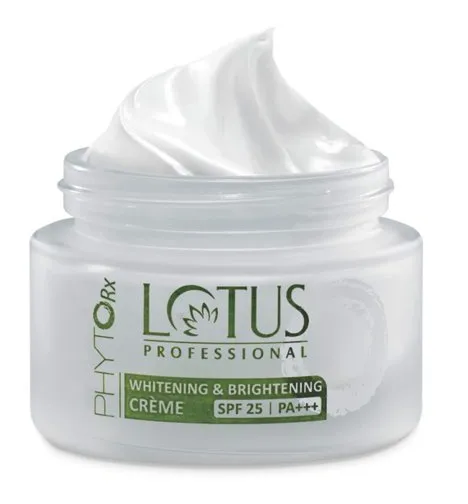
What is Lotus Whitening Scrub
Lotus whitening and brightening scrubs have gained immense popularity in the skincare industry for their ability to promote radiant and even-toned skin. These scrubs are specifically formulated to gently exfoliate the skin, removing dead cells, impurities, and promoting a brighter complexion. The key to their effectiveness lies in the combination of natural ingredients, with the star being the lotus extract. Unlike harsh chemical treatments, lotus whitening scrubs offer a gentle yet effective way to rejuvenate the skin, making them a favorite among those seeking a natural approach to skincare. These scrubs work by mechanically removing the top layer of dead skin cells, allowing fresh, new cells to surface, which results in a more youthful and glowing appearance. Regular use can help diminish the appearance of dark spots, uneven skin tone, and enhance the overall texture of your skin.
Key Ingredients in Lotus Whitening Scrub
The effectiveness of a lotus whitening scrub is heavily dependent on its ingredients. While lotus extract is the hero ingredient, other components work synergistically to boost its benefits. Exfoliating agents, such as fine granules of sugar, salt, or natural seeds, are essential for removing dead skin cells. These granules gently slough off the outer layer of the skin, unclogging pores and preparing the skin for better absorption of the active ingredients. Furthermore, these scrubs often contain a blend of natural oils and moisturizing agents, which help to hydrate and nourish the skin during the exfoliation process. Ingredients like vitamin C, known for its brightening properties, and antioxidants, which protect the skin from environmental damage, are commonly added to enhance the scrub’s effectiveness. Understanding the ingredient list is crucial for choosing a scrub that suits your skin type and addresses your specific skincare concerns.
Lotus Extract and Its Benefits

Lotus extract, derived from the lotus flower, is the core component of these scrubs. This extract is rich in antioxidants, vitamins, and fatty acids, all of which contribute to its remarkable skincare benefits. The antioxidants in lotus extract help to neutralize free radicals, preventing premature aging and protecting the skin from environmental stressors. Additionally, lotus extract contains compounds that can inhibit melanin production, making it effective in reducing hyperpigmentation and promoting a more even skin tone. Its soothing properties also help to calm irritated skin, making it suitable for various skin types. The regular use of lotus extract in a scrub can lead to a noticeable improvement in skin texture, a reduction in dark spots, and a radiant, healthy glow, making it a valuable addition to any skincare routine. The natural properties of lotus extract make it a gentle yet powerful ingredient for achieving brighter and more youthful-looking skin.
Other Natural Ingredients for Skin Brightening
Beyond lotus extract, various other natural ingredients are included in lotus whitening scrubs to enhance their brightening and exfoliating effects. Vitamin C, a potent antioxidant, is frequently used to boost skin radiance and even skin tone, helping to fight off free radicals that can lead to premature aging. Natural oils like jojoba, almond, or coconut oil are often incorporated to moisturize and nourish the skin, preventing dryness and irritation during exfoliation. Ingredients such as honey can provide additional hydration and antibacterial properties, promoting a healthy complexion. For exfoliation, scrubs often use natural granules like finely ground apricot seeds, sugar, or salt. These gently remove dead skin cells, revealing a fresher, brighter layer underneath. When selecting a scrub, it is beneficial to look for a combination of ingredients that addresses both exfoliation and hydration, ensuring that your skin is not only brightened but also nourished and protected.
How to Choose the Right Lotus Whitening Scrub
Choosing the right lotus whitening scrub involves considering your skin type, specific concerns, and the ingredients used. For sensitive skin, opt for scrubs with fine granules and gentle exfoliating agents, such as sugar or finely ground seeds, to minimize irritation. Those with oily or acne-prone skin might benefit from scrubs containing tea tree oil or other ingredients known for their antibacterial and oil-controlling properties. Pay attention to the list of ingredients, and avoid scrubs with harsh chemicals, artificial fragrances, or dyes that can irritate your skin. If you have dry skin, choose scrubs with moisturizing ingredients like shea butter or hyaluronic acid to prevent dryness. Consider the overall formulation and the balance between exfoliation and hydration. Reading reviews and trying sample sizes can also help you determine if a particular scrub is suitable for your skin. The goal is to find a scrub that effectively brightens your skin without causing any adverse reactions or sensitivities.
Skincare Routine Using Lotus Whitening Scrub

Incorporating a lotus whitening scrub into your skincare routine can significantly enhance your skin’s radiance. The process starts with cleansing your face to remove makeup, dirt, and excess oil, creating a clean base for exfoliation. Applying the scrub gently to damp skin in circular motions helps to loosen and remove dead skin cells. Rinse thoroughly with lukewarm water to remove all traces of the scrub. Following exfoliation, apply a hydrating moisturizer to replenish moisture and soothe the skin. Including this step ensures that your skin remains hydrated and protected. When used consistently, this routine can help to reveal a brighter, smoother complexion. Remember to patch-test any new product before using it on your entire face to check for any allergic reactions or sensitivities. Also, be sure to apply sunscreen during the day.
Step 1 Cleansing your Face
The first crucial step in your skincare routine is cleansing your face thoroughly. Start by selecting a gentle cleanser that suits your skin type, whether it’s sensitive, oily, or dry. Wet your face with lukewarm water, as hot water can strip your skin of its natural oils, leading to dryness, and cold water may not effectively remove impurities. Apply a small amount of the cleanser to your fingertips and massage it gently onto your face in circular motions, paying attention to areas prone to dirt and oil buildup, such as the T-zone (forehead, nose, and chin). Rinse your face thoroughly with lukewarm water, ensuring all traces of the cleanser are removed. Pat your skin dry with a soft towel, being careful not to rub too vigorously, which can irritate the skin. Proper cleansing prepares your skin for the subsequent steps in your skincare routine, allowing the lotus whitening scrub to work effectively.
Step 2 Exfoliating with Lotus Scrub
After cleansing, it’s time to exfoliate with the lotus whitening scrub. Dispense a small amount of the scrub onto your fingertips and apply it to damp skin. Use gentle, circular motions to massage the scrub across your face, avoiding the delicate eye area. Focus on areas where you experience uneven texture, such as the T-zone or areas prone to blackheads and whiteheads. Exfoliate for about 1-2 minutes, allowing the scrub to remove dead skin cells and impurities. Rinse your face thoroughly with lukewarm water to remove all traces of the scrub. Ensure that no granules remain, as they can potentially irritate the skin. Exfoliating regularly, but not excessively, helps to promote cell turnover, revealing a brighter and smoother complexion. If you have sensitive skin, consider performing a patch test before applying the scrub to your entire face to check for any adverse reactions.
Step 3 Moisturizing for Hydration

Following exfoliation with a lotus whitening scrub, moisturizing is an essential step in your skincare routine. Exfoliation can sometimes strip your skin of its natural oils, leaving it feeling dry or sensitive. Applying a hydrating moisturizer helps replenish moisture and create a protective barrier. Choose a moisturizer that suits your skin type – for example, if you have oily skin, opt for a lightweight, oil-free moisturizer. If you have dry skin, look for a rich, emollient moisturizer. Gently pat the moisturizer onto your face and neck, allowing it to absorb fully into the skin. Moisturizing regularly, particularly after exfoliation, helps maintain your skin’s moisture balance, promotes a healthy glow, and supports the benefits of the lotus whitening scrub. It also helps protect your skin from environmental stressors and reduces the risk of irritation and premature aging.
Tips for Maximizing Scrub Effectiveness
To get the most out of your lotus whitening scrub, consider these tips. Always apply the scrub to damp skin to allow for smoother exfoliation. Use gentle circular motions, and avoid scrubbing too hard, which can irritate the skin. Pay attention to areas with uneven texture or dark spots, but don’t over-exfoliate, as this can lead to dryness and sensitivity. After rinsing the scrub, pat your skin dry instead of rubbing it, and immediately apply a hydrating moisturizer to seal in moisture. Incorporate a sunscreen into your daily routine, as exfoliation can increase your skin’s sensitivity to the sun. Moreover, consider using the scrub in combination with other skincare products that complement its benefits, such as vitamin C serums or brightening masks. Consistency is key, so make the scrub a regular part of your skincare routine for the best results.
Frequency of Use for Best Results
The frequency of using a lotus whitening scrub depends on your skin type and sensitivity. Generally, it is recommended to start by using the scrub 1-2 times per week, especially if you have sensitive skin. Oily or combination skin types may tolerate more frequent use, such as up to three times per week, but it’s essential to monitor your skin’s response. Over-exfoliation can lead to dryness, irritation, and even breakouts, so pay close attention to how your skin feels and looks after each use. If you notice redness, flakiness, or increased sensitivity, reduce the frequency of use. Gradually increase the frequency as your skin adjusts, but always prioritize the health and balance of your skin. Listen to your skin’s needs, and adjust your routine accordingly to achieve the best results without causing harm.
Lifestyle Factors for Skin Radiance
Achieving radiant skin isn’t solely dependent on skincare products; lifestyle factors play a crucial role. Prioritize getting enough sleep, as sleep deprivation can lead to dull skin and increase the appearance of dark circles. Manage stress through relaxation techniques, such as yoga or meditation, because stress can trigger inflammation and affect your skin’s health. Protect your skin from sun damage by wearing sunscreen daily, even on cloudy days, as UV rays can cause premature aging and hyperpigmentation. Avoid smoking and excessive alcohol consumption, as these habits can dehydrate the skin and contribute to a dull complexion. Adopt a consistent skincare routine, including cleansing, exfoliating, and moisturizing, to maintain a healthy skin barrier. Embrace a balanced lifestyle that supports both your internal and external health.
Diet and Nutrition for Glowing Skin
Your diet and nutrition have a significant impact on the health and appearance of your skin. Consume a diet rich in fruits, vegetables, and whole grains to provide essential vitamins, minerals, and antioxidants that protect your skin from damage. Include foods high in omega-3 fatty acids, such as salmon and flax seeds, as these help maintain the skin’s elasticity and hydration. Limit your intake of processed foods, sugary drinks, and excessive amounts of saturated fats, as these can contribute to inflammation and skin problems. Drink plenty of water to keep your skin hydrated from the inside out, improving its overall glow. Consider incorporating supplements, such as vitamin C or collagen, to support skin health. A balanced, nutrient-rich diet is a powerful ally in achieving radiant and healthy skin.
Hydration and Its Importance
Staying hydrated is essential for maintaining healthy, radiant skin. Water plays a crucial role in various bodily functions, including skin cell turnover and the elimination of toxins. When your body is dehydrated, your skin can become dry, dull, and more prone to wrinkles. Aim to drink at least eight glasses of water per day to keep your skin hydrated from the inside out. In addition to drinking water, you can also incorporate hydrating foods, such as fruits and vegetables with high water content, into your diet. Carrying a reusable water bottle with you throughout the day can help you stay mindful of your hydration levels. Hydrated skin is more plump, supple, and less likely to show signs of aging. Making hydration a priority is a simple yet effective way to support your skin’s health and enhance its natural glow.
Potential Side Effects and Precautions

While lotus whitening scrubs are generally safe, it’s essential to be aware of potential side effects and take necessary precautions. Over-exfoliation can lead to dryness, irritation, redness, and increased sensitivity to the sun. If you experience these symptoms, reduce the frequency of use and apply a hydrating moisturizer. If you have sensitive skin, perform a patch test before using a new scrub to check for allergic reactions. Avoid using the scrub on broken or inflamed skin, as it can exacerbate these conditions. Always protect your skin from the sun by wearing sunscreen, as exfoliation can make your skin more susceptible to sun damage. Discontinue use if you experience persistent irritation or any adverse reactions and consult a dermatologist. Being informed and cautious will help you enjoy the benefits of a lotus whitening scrub while minimizing potential risks.
Identifying Skin Irritation
Identifying skin irritation is crucial to ensure the safe and effective use of a lotus whitening scrub. Common signs of irritation include redness, itching, burning, or stinging sensations immediately after use. Your skin might feel tight, dry, or flaky, indicating that the scrub has stripped away too much of your skin’s natural oils. In more severe cases, you might notice swelling, blisters, or hives. If you experience any of these symptoms, stop using the scrub immediately and assess your skincare routine. Determine if you are exfoliating too frequently or using a product that is too harsh for your skin. Apply a gentle, hydrating moisturizer to soothe your skin, and avoid using other potentially irritating products until your skin has fully recovered. Consulting a dermatologist can provide professional advice and help you identify the cause of the irritation and the best course of action.
When to Stop Using the Scrub
Knowing when to stop using a lotus whitening scrub is vital for maintaining your skin’s health and preventing potential damage. Discontinue use if you experience persistent irritation, redness, or a burning sensation, even after reducing the frequency of use. If you develop any allergic reactions, such as hives or swelling, stop using the scrub immediately and consult a doctor. If your skin becomes excessively dry or flaky despite consistent moisturizing, it could be a sign of over-exfoliation, and you should reduce the frequency of use or choose a gentler scrub. If you are prone to breakouts, and the scrub seems to be worsening your acne, it might be clogging your pores or irritating your skin, so it’s best to stop using it and consult a dermatologist. Always prioritize your skin’s health and listen to its signals; sometimes, taking a break from a product or adjusting your routine is necessary for optimal results.