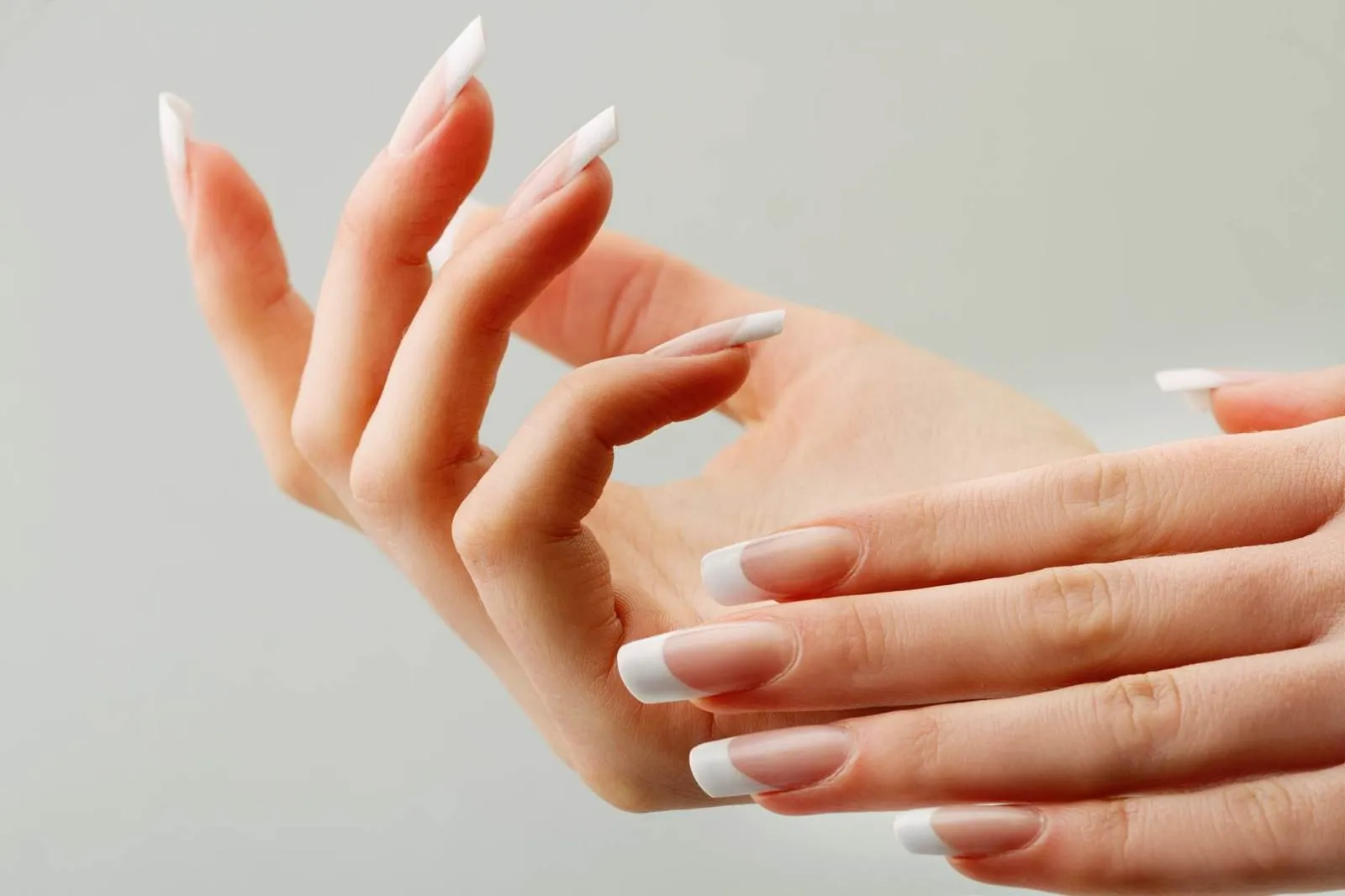
Understanding Nail Discoloration
Nail discoloration, often manifesting as yellowing, can be a frustrating cosmetic issue. While occasionally harmless, understanding the root causes is crucial for effective treatment. Yellow nails can arise from various factors, ranging from lifestyle choices to underlying health conditions. Addressing the cause is the first step in restoring your nails to their natural color and shine. This guide will delve into the common culprits behind yellow nails and explore a range of effective nail whitening remedies you can try at home, as well as when to seek professional advice from a dermatologist. Achieving healthy, white nails is possible with the right approach.
Common Causes of Yellow Nails
Several factors contribute to the yellowing of nails. These can range from external elements that stain the nail to internal issues that affect nail health. Identifying the specific cause of the discoloration is key to selecting the most appropriate treatment. Consider your daily habits, health conditions, and any recent changes in your nail care routine to pinpoint the cause of your yellow nails.
Fungal Infections

Fungal infections, or onychomycosis, are a common cause of yellow nails. These infections often cause the nail to thicken and become discolored. The nail may also become brittle and crumble. Fungi thrive in warm, moist environments, making the area under the nail an ideal breeding ground. If you suspect a fungal infection, it’s essential to seek medical advice, as it may require prescription antifungal treatments to clear the infection effectively. Early detection and treatment can prevent the infection from spreading and causing further damage to the nail bed.
Smoking Habits
Smoking is another significant contributor to nail discoloration. The nicotine and tar in cigarettes can stain the nails, resulting in a yellowish hue. This staining effect is similar to how smoking can stain teeth. The discoloration is often more pronounced in smokers who have been smoking for extended periods. Quitting smoking can not only improve your overall health but can also gradually improve the appearance of your nails, reducing or eliminating the yellow staining over time. Consider seeking support from a healthcare provider for quitting smoking.
Nail Polish Staining
Using dark-colored nail polish frequently, especially without a base coat, can lead to nail staining. Dark pigments in the nail polish can seep into the nail plate, causing a yellow or discolored appearance. Certain nail polish removers containing harsh chemicals can also contribute to staining. To prevent this, always use a base coat before applying colored polish, and opt for nail polish removers that are acetone-free or contain moisturizing ingredients. Allowing the nails to ‘breathe’ by taking breaks from nail polish can also help prevent staining.
Overview of Effective Nail Whitening Remedies

Fortunately, several home remedies and treatments can help whiten yellow nails. These remedies are often effective and easy to incorporate into your nail care routine. However, consistency is key, and results may vary depending on the cause and severity of the discoloration. Before starting any treatment, ensure your nails are clean and dry. Always test any new remedy on a small area of skin first to check for allergic reactions or sensitivities.
Lemon Juice for Nail Whitening
Lemon juice is a natural bleaching agent that can help lighten and whiten nails. The citric acid in lemon juice has the ability to break down stains and discoloration. It’s a readily available, affordable, and generally safe remedy. Lemon juice is often a good first step in trying to remove nail discoloration.
How to Use Lemon Juice
To use lemon juice, mix fresh lemon juice with a small amount of water. Soak your nails in this solution for about 10-15 minutes. After soaking, gently scrub your nails with a soft toothbrush or a nail brush to remove any loosened stains. Rinse your hands thoroughly with water and apply a moisturizer to prevent dryness. Repeat this process several times a week for best results. Avoid lemon juice if you have any open cuts or sores on your skin.
Baking Soda Paste

Baking soda is a mild abrasive that can help remove surface stains from the nails. It also has some antifungal properties. This makes it a great choice for whitening nails that are discolored due to staining or mild fungal infections. Baking soda is inexpensive and easily accessible.
Applying Baking Soda Paste
Create a paste by mixing baking soda with water until you achieve a thick consistency. Apply the paste to your nails and let it sit for about 10 minutes. Gently scrub your nails with a toothbrush or nail brush, then rinse with water. You can repeat this treatment a few times a week. Make sure not to scrub too harshly, as this can damage your nails.
Hydrogen Peroxide Treatment
Hydrogen peroxide has bleaching properties and can effectively whiten yellow nails. It works by oxidizing the staining pigments, lifting them from the nail surface. It is generally a safe option when used correctly but requires caution, as it can cause skin irritation if not handled properly.
Using Hydrogen Peroxide Safely

Dilute 3% hydrogen peroxide with an equal amount of water. Soak your nails in this solution for about 5-10 minutes. Rinse your hands thoroughly and apply a moisturizer. You can also create a paste using hydrogen peroxide and baking soda, similar to the baking soda paste method, to enhance the whitening effect. Avoid using hydrogen peroxide more than once a week, as excessive use can dry out the nails.
Whitening Toothpaste for Nails
Whitening toothpaste can also be used to remove stains from nails. The whitening agents in toothpaste can help lift stains and improve the appearance of your nails. This remedy is readily available and easy to use.
Application and Benefits
Apply a small amount of whitening toothpaste to your nails and gently scrub them with a toothbrush or nail brush. Let it sit for a few minutes before rinsing thoroughly with water. This method is a gentle alternative to other stronger remedies and can be used once or twice a week. Always choose a toothpaste that contains whitening agents but is gentle enough to avoid excessive abrasion.
Essential Oils for Nail Whitening

Certain essential oils, such as tea tree oil, possess antifungal and antibacterial properties, which can help in addressing the underlying causes of nail discoloration. These oils can also contribute to overall nail health and appearance. When using essential oils, it’s important to dilute them with a carrier oil to prevent skin irritation.
Tea Tree Oil
Tea tree oil is known for its antifungal and antiseptic properties. Dilute tea tree oil with a carrier oil, such as coconut or almond oil, before applying it to your nails. Apply the diluted oil to your nails daily. While tea tree oil can be effective for fungal infections and nail discoloration, it’s important to perform a patch test first to ensure you are not allergic. If you experience any irritation, discontinue use.
Proper Nail Care and Maintenance
In addition to using nail whitening remedies, proper nail care and maintenance are crucial for keeping your nails healthy and preventing discoloration. Regular nail care habits will not only improve the appearance of your nails, but also promote their overall health and strength. Following a consistent nail care routine will help maintain the results of any nail whitening treatment you choose.
Nail Hygiene Practices

Practice good nail hygiene to keep your nails healthy. Keep your nails clean and dry. Trim your nails regularly to prevent dirt and bacteria from accumulating under the nail. Use clean nail clippers and tools, and sterilize them regularly. Avoid biting or picking at your nails, as this can increase the risk of infection and damage. Consider using a nail brush daily to clean under your nails and remove any dirt or debris.
Importance of a Balanced Diet
A balanced diet rich in vitamins and minerals is essential for healthy nails. Ensure you are getting enough biotin, which is a B vitamin that supports nail growth and strength. Include foods rich in protein, such as lean meats, eggs, and legumes. Consume plenty of fruits and vegetables, which provide essential vitamins and minerals. Staying hydrated by drinking enough water also helps to keep your nails moisturized and healthy. Consider taking a multivitamin supplement to ensure you meet your daily nutritional needs, which can enhance nail health and reduce the likelihood of discoloration.
Seeking Professional Help
While many home remedies can effectively whiten nails, it’s crucial to recognize when to seek professional help. Certain conditions require medical intervention for proper treatment. Consulting a dermatologist can ensure you receive an accurate diagnosis and appropriate treatment plan.
When to Consult a Dermatologist

If your nail discoloration is severe, persistent, or accompanied by other symptoms such as pain, swelling, or thickening of the nail, consult a dermatologist. If you suspect a fungal infection or if home remedies have not improved your nails, it’s wise to seek professional advice. A dermatologist can diagnose the underlying cause of your nail discoloration and recommend appropriate treatments, which may include prescription medications or antifungal treatments. Early intervention is often the key to effectively treating nail problems and preventing complications. A dermatologist can also rule out any serious underlying medical conditions that may be contributing to your nail problems.
In conclusion, achieving nail whitening involves understanding the causes of discoloration and implementing appropriate remedies. From lemon juice and baking soda to essential oils and hydrogen peroxide, several options are available. Maintaining good nail hygiene, a balanced diet, and knowing when to seek professional help are also essential. With the right approach, you can restore your nails’ natural whiteness and confidence.