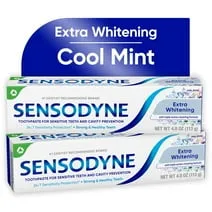
What Causes Tooth Sensitivity
Tooth sensitivity is a common dental issue characterized by sharp, temporary pain in the teeth, typically triggered by hot, cold, sweet, or acidic foods and drinks. This discomfort arises when the protective outer layer of enamel on your teeth is worn away, or when gums recede, exposing the softer dentin underneath. Dentin contains tiny tubules that lead directly to the nerves of your teeth. When these tubules are exposed, stimuli like temperature changes can easily reach the nerves, causing the sensation of sensitivity. Several factors contribute to this condition, including aggressive brushing, the consumption of acidic foods and drinks, and the use of certain dental products, such as whitening toothpaste. Understanding these underlying causes is crucial for managing and preventing tooth sensitivity.
Enamel Erosion and Its Impact
Enamel erosion, the gradual wearing away of the tooth’s enamel, is a significant contributor to tooth sensitivity. Enamel, the hardest substance in the human body, protects the underlying dentin and nerve. When enamel erodes, dentin becomes exposed, and the sensitive tubules within dentin become vulnerable to external stimuli. This erosion can be caused by various factors, including the acids found in certain foods and drinks, such as citrus fruits, carbonated beverages, and vinegar. Furthermore, conditions like gastroesophageal reflux disease (GERD), which brings stomach acid into contact with teeth, can accelerate enamel erosion. Once enamel is lost, it cannot regenerate, making the teeth more susceptible to sensitivity, cavities, and other dental problems. Protecting your enamel through proper oral hygiene and dietary choices is therefore paramount.
The Role of Whitening Toothpaste

Whitening toothpaste is designed to remove surface stains from teeth, giving them a brighter appearance. However, some of the ingredients used to achieve this can also contribute to tooth sensitivity. Many whitening toothpastes contain abrasive agents, such as hydrated silica or calcium carbonate, which help scrub away stains. While effective at whitening, these abrasives can also wear down enamel over time, especially if used with excessive force. In addition, some whitening toothpastes contain bleaching agents, such as hydrogen peroxide, which can penetrate the enamel and reach the dentin, potentially causing irritation and sensitivity. Understanding the specific ingredients in your whitening toothpaste and how they affect your teeth is essential for making informed choices about your oral hygiene routine.
How Whitening Toothpaste Works
Whitening toothpaste typically works through two main mechanisms removing surface stains and, in some cases, bleaching the teeth. Abrasive agents physically scrub away stains caused by coffee, tea, tobacco, and other substances. These agents are designed to be more abrasive than regular toothpaste but still safe for daily use within recommended guidelines. On the other hand, toothpastes containing bleaching agents, such as hydrogen peroxide or carbamide peroxide, penetrate the enamel to break down stain molecules. The effectiveness of whitening toothpaste varies depending on the ingredients, the concentration of bleaching agents, and the duration of use. It is important to note that whitening toothpaste can only remove surface stains and cannot change the natural color of your teeth. For deeper whitening, professional treatments by a dentist may be required.
Ingredients That Can Cause Sensitivity
Several ingredients found in whitening toothpaste can increase tooth sensitivity. Abrasives, as mentioned earlier, can wear down enamel, making teeth more vulnerable. Hydrogen peroxide, a common bleaching agent, can irritate the nerves within the teeth, causing temporary sensitivity. Some whitening toothpastes also contain high concentrations of detergents, such as sodium lauryl sulfate (SLS), which can irritate the soft tissues in the mouth, including the gums. Furthermore, certain flavoring agents and essential oils can sometimes exacerbate sensitivity in individuals. If you experience increased sensitivity after using a whitening toothpaste, it is crucial to review the ingredient list and consult with your dentist to identify potential irritants and explore alternative products or strategies.
Hydrogen Peroxide and Sensitivity

Hydrogen peroxide is a powerful oxidizing agent frequently used in whitening toothpastes to lighten the color of teeth. It works by penetrating the enamel and breaking down stain molecules, leading to a brighter smile. However, hydrogen peroxide can also cause tooth sensitivity. The mechanism involves the peroxide molecules interacting with the nerves inside the tooth, leading to inflammation and discomfort. The higher the concentration of hydrogen peroxide in a product, the greater the potential for sensitivity. The duration of exposure also plays a role; prolonged use can increase the risk. Sensitivity caused by hydrogen peroxide is usually temporary, subsiding once the use of the product is discontinued or reduced. However, individuals with pre-existing sensitivity or thin enamel should exercise caution when using toothpastes containing hydrogen peroxide and consult their dentist.
Abrasion and Its Effects
The abrasive nature of some whitening toothpaste ingredients can contribute significantly to tooth sensitivity. Abrasives, like silica and calcium carbonate, are designed to scrub away surface stains, but they can also erode enamel, particularly if used with excessive force or frequency. This erosion exposes the dentin, which contains microscopic tubules that lead to the tooth’s nerves. When these tubules are exposed, the teeth become more susceptible to sensitivity, experiencing pain when exposed to hot or cold temperatures or sweet or acidic foods. The degree of abrasion varies among different whitening toothpastes; some are gentler than others. Selecting a toothpaste with lower abrasivity and using a soft-bristled toothbrush, combined with gentle brushing techniques, can help minimize the risk of enamel erosion and reduce sensitivity.
Top 5 Facts About Whitening Toothpaste and Sensitivity
Fact 1 Understanding the Ingredients

Being aware of the ingredients in your whitening toothpaste is crucial. Look for the presence of abrasives like silica or calcium carbonate, and consider the concentration of hydrogen peroxide or other bleaching agents. Choose toothpastes with a lower Relative Dentin Abrasivity (RDA) score, indicating less abrasion. Understanding the ingredients will help you make an informed decision and select a product that minimizes potential sensitivity.
Fact 2 Choosing the Right Toothpaste
Not all whitening toothpastes are created equal, especially for individuals with sensitive teeth. Look for products specifically formulated for sensitive teeth, which often contain ingredients like potassium nitrate or stannous fluoride to help block pain signals. Consider the RDA value; lower numbers indicate less abrasiveness. Consulting with your dentist can help you select a suitable whitening toothpaste that balances effectiveness with minimizing sensitivity.
Fact 3 Proper Brushing Techniques
The way you brush your teeth significantly impacts sensitivity. Use a soft-bristled toothbrush and apply gentle pressure. Avoid aggressive scrubbing, which can wear down enamel and damage gums. Brush in a circular motion, covering all surfaces of your teeth. Aim to brush for two minutes, twice a day. Proper brushing techniques can reduce the risk of sensitivity.
Fact 4 Using Whitening Toothpaste Sparingly

To reduce the risk of sensitivity, consider limiting the use of whitening toothpaste to once a day or even a few times a week. Alternate with a regular toothpaste that is designed for sensitive teeth, especially if you notice any discomfort. Overuse of whitening toothpaste, with its potentially abrasive ingredients, can exacerbate sensitivity. Listen to your teeth and adjust your usage based on your individual needs and reactions.
Fact 5 Consulting Your Dentist
If you experience persistent or significant tooth sensitivity, it is essential to consult your dentist. They can assess the underlying cause of your sensitivity and recommend appropriate treatments or solutions. Your dentist can also provide personalized advice on oral hygiene, including the best type of toothpaste for your specific needs. Regular dental checkups and professional cleanings are essential for maintaining good oral health and preventing dental problems.
Alternatives to Whitening Toothpaste
If you find that whitening toothpaste causes excessive sensitivity, various alternatives can still help you achieve a brighter smile. Professional teeth whitening treatments, performed by a dentist, are often a good option. These treatments use stronger bleaching agents under controlled conditions, minimizing the risk of sensitivity. Another option is using whitening strips, which contain a lower concentration of peroxide than professional treatments and can be used at home. Regular dental cleanings can also remove surface stains and improve the appearance of your teeth. Furthermore, you can try switching to a toothpaste designed for sensitive teeth and using it in combination with a mouthwash for whitening. Always consult your dentist before starting any whitening regimen.
Professional Whitening Treatments

Professional teeth whitening treatments are a highly effective option for brightening your smile, especially when whitening toothpaste causes sensitivity. These treatments are performed by a dentist and use a higher concentration of bleaching agents, such as hydrogen peroxide or carbamide peroxide, than over-the-counter products. Your dentist will carefully apply the whitening solution to your teeth and may use a special light or laser to accelerate the process. While professional treatments are more expensive than at-home methods, they offer several advantages. The dentist can monitor your progress and adjust the treatment to minimize sensitivity, and the results are often more dramatic and long-lasting. This is an ideal choice if you’re sensitive or want a significantly brighter smile.
Desensitizing Toothpastes
Desensitizing toothpastes provide relief from tooth sensitivity by blocking the pain signals from your teeth. These toothpastes typically contain ingredients like potassium nitrate or stannous fluoride. Potassium nitrate works by penetrating the tooth and blocking the nerve signals that cause pain. Stannous fluoride helps by creating a protective layer over the dentin tubules, reducing the stimulation of the nerves. Using a desensitizing toothpaste regularly can help reduce sensitivity over time. It’s often recommended to use these toothpastes for several weeks before you notice a significant improvement. For those struggling with sensitivity, it’s beneficial to incorporate these toothpastes into their daily oral hygiene routine. Consulting with a dentist can also help you find the best desensitizing toothpaste that addresses your needs.
How to Manage and Reduce Sensitivity
Several strategies can help you manage and reduce tooth sensitivity. Use a soft-bristled toothbrush and brush gently, avoiding excessive pressure. Choose a toothpaste formulated for sensitive teeth, containing ingredients like potassium nitrate or stannous fluoride. Limit the consumption of acidic foods and drinks, such as citrus fruits, carbonated beverages, and vinegar. If you experience sensitivity after eating or drinking something cold, try rinsing your mouth with lukewarm water. Consider using a fluoride mouthwash to strengthen your enamel. Avoid whitening products if they exacerbate your sensitivity. Regular dental checkups are essential for monitoring your oral health and addressing any underlying issues. In some cases, your dentist might recommend professional treatments like fluoride varnish or in-office desensitizing agents.
Best Practices for Sensitive Teeth

Prioritizing the best practices for sensitive teeth is crucial for maintaining good oral health and preventing further discomfort. Use a soft-bristled toothbrush and gentle brushing techniques to avoid wearing away enamel. Choose a toothpaste designed for sensitive teeth that contains ingredients like potassium nitrate or stannous fluoride. Limit your intake of acidic foods and drinks, as these can erode enamel and worsen sensitivity. Avoid whitening products if they exacerbate your sensitivity. Rinse your mouth with lukewarm water after consuming cold or hot items. Maintain a regular oral hygiene routine, including brushing twice a day and flossing daily. Regular dental checkups and professional cleanings are essential for detecting and addressing dental problems early. By adopting these practices, you can significantly improve your oral health and reduce tooth sensitivity.