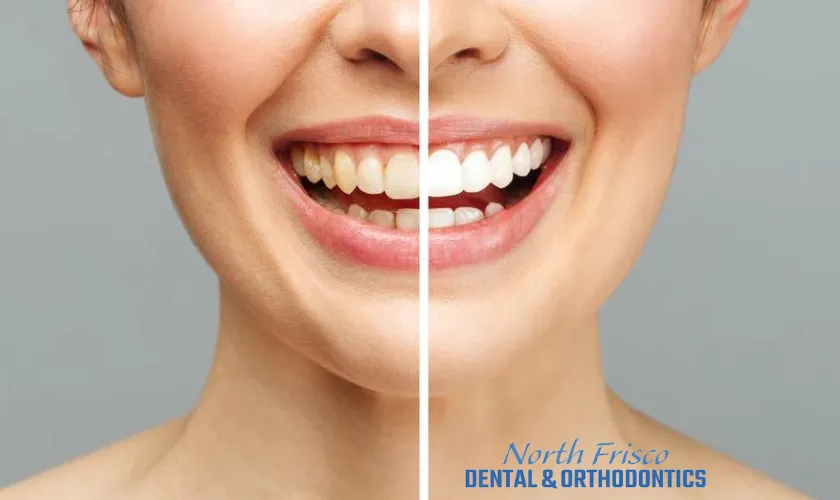
Top 5 Dentist Teeth Whitening Methods
Achieving a brighter, more confident smile is a common goal, and professional teeth whitening offers a safe and effective solution. Dentists provide a range of methods designed to address various levels of discoloration and meet individual needs. Understanding these methods allows you to make informed decisions and achieve the radiant smile you desire. This article explores the top 5 teeth whitening methods offered by dentists, detailing their processes, advantages, and considerations. From the rapid results of in-office treatments to the convenience of custom tray systems, discover the best approach for your perfect smile. Regular dental check-ups and professional advice are vital for determining the most suitable method and ensuring optimal oral health.
In-Office Whitening The Fastest Method
In-office teeth whitening, often referred to as chairside bleaching, is a powerful and efficient method performed directly in your dentist’s office. This method typically provides the most dramatic results in the shortest amount of time, making it a popular choice for those seeking immediate improvements. The process involves the dentist applying a high-concentration bleaching agent to the teeth, which is then often activated by a special light or laser to enhance the whitening effect. This treatment usually takes about an hour or two, and patients can often see several shades of improvement in a single session. The procedure is closely monitored by dental professionals to ensure safety and minimize any potential side effects, such as tooth sensitivity. In-office whitening is ideal for individuals looking for significant and rapid results, perfect for special occasions or a quick smile makeover.
How In-Office Whitening Works

The in-office whitening process begins with a thorough examination of the patient’s teeth and gums to ensure they are healthy and suitable for the treatment. The dentist will then isolate the teeth, protecting the gums with a barrier to prevent irritation. A high-concentration hydrogen peroxide or carbamide peroxide bleaching gel is then applied to the teeth. A special light or laser is often used to accelerate the whitening process by activating the bleaching agents. This can enhance the penetration of the gel into the enamel. The gel is typically left on the teeth for a specific period, and the process may be repeated several times during the session to achieve the desired level of whitening. After the treatment, the dentist will remove the gel and provide instructions for post-treatment care, including tips to minimize sensitivity and maintain the results.
Pros and Cons of In-Office Whitening
The primary advantage of in-office whitening is its speed and effectiveness. It delivers immediate and noticeable results, often brightening teeth several shades in a single visit. The process is also performed under the supervision of a dental professional, ensuring safety and minimizing risks. However, this method can be more expensive than other options. Some patients may experience temporary tooth sensitivity or gum irritation. It’s also important to note that the results, while significant, may not be permanent, and maintenance treatments might be needed. Careful consideration of both the pros and cons helps individuals make an informed decision that aligns with their needs and expectations. Consulting with your dentist is crucial to determine if in-office whitening is the right choice for your specific situation.
Custom Tray Whitening for Home Use
Custom tray whitening offers a convenient and effective way to whiten your teeth from the comfort of your home. This method involves a dentist creating custom-fitted trays that perfectly mold to your teeth. These trays are designed to hold a bleaching agent, typically a lower concentration peroxide gel than used in-office treatments, which you then wear for a specified amount of time each day or night. Custom trays ensure that the whitening gel is applied evenly and effectively across all tooth surfaces, minimizing the risk of uneven whitening. This approach is more gradual than in-office treatments but is often preferred for its ease of use and flexibility. It’s also a cost-effective option for maintaining or enhancing the results of previous whitening treatments. Patients appreciate the ability to control the process and the convenience of whitening at their own pace.
What is Custom Tray Whitening?

Custom tray whitening is a personalized teeth whitening method provided by dentists. It begins with the dentist taking impressions of your teeth to create custom trays. These trays are made of clear, flexible plastic, designed to fit snugly over your teeth. Once the trays are ready, the dentist will provide you with a bleaching gel containing a safe concentration of hydrogen or carbamide peroxide. You then apply the gel to the trays and wear them for a specified period, usually a few hours a day or overnight, depending on the dentist’s instructions and the concentration of the gel. This method allows for controlled and consistent whitening, ensuring that the bleaching agent is evenly distributed across your teeth. The custom fit also minimizes the risk of the gel leaking onto your gums, reducing the chance of irritation.
Custom Tray Whitening Process
The process starts with an appointment where the dentist takes impressions of your teeth. These impressions are used to create custom-fitted trays. Once the trays are ready, you will return to the dentist to receive the trays and the whitening gel. The dentist will provide detailed instructions on how to use the trays, including how much gel to apply, how long to wear the trays, and how often to repeat the process. Typically, you will apply a small amount of the whitening gel into the tray and insert the tray over your teeth. The trays should be worn for the prescribed time, usually for a few hours a day or overnight, over several weeks. Regular follow-up appointments may be scheduled to monitor your progress and address any questions or concerns.
Advantages and Disadvantages
The main advantage of custom tray whitening is its convenience and flexibility. You can whiten your teeth at home, fitting the treatment into your schedule. The custom-fit trays ensure even whitening and minimize gum irritation. This method is often less expensive than in-office treatments. However, custom tray whitening is a slower process, and results may take several weeks to become fully visible. It requires patient compliance, meaning you must consistently wear the trays as directed to achieve the desired outcome. Some individuals may experience tooth sensitivity, though this is typically mild and temporary. It is important to discuss any potential side effects with your dentist before starting the treatment.
Over-the-Counter Whitening Products vs Dentist

When considering teeth whitening, consumers often face a choice between over-the-counter (OTC) products and treatments provided by a dentist. While OTC products like whitening strips and toothpastes are readily accessible and more affordable, they often contain lower concentrations of bleaching agents. This means the results may be less dramatic, and the treatment time can be longer. Additionally, OTC products are not customized to your mouth, which can lead to uneven whitening or increased gum sensitivity. Dentist-provided treatments, on the other hand, offer professional-grade strength and customized care. Dentists can assess your oral health, recommend the most suitable treatment, and monitor your progress, ensuring safety and effectiveness. For significant whitening results and optimal oral health, consulting with a dentist is often the superior choice. This professional approach provides personalized care and guidance, leading to more predictable and satisfactory outcomes.
Why Dentist is Better Option
Choosing a dentist for teeth whitening offers several advantages over using over-the-counter products. Dentists have access to professional-grade bleaching agents that are more potent and effective than those found in OTC products. This means faster and more dramatic results. Dentists can also customize treatments to address specific needs and sensitivities, reducing the risk of adverse effects. A significant benefit is the assessment of your overall oral health. Dentists can identify and treat underlying dental issues before whitening, ensuring a safe and successful treatment. They can also monitor your progress, adjust the treatment as needed, and provide advice on maintaining your results. By choosing a dentist, you are investing in professional care, tailored to your unique situation, leading to a brighter, healthier smile.
Whitening Toothpaste and its Limitations
Whitening toothpastes are a popular choice for those seeking a brighter smile. These toothpastes typically contain mild abrasives and chemicals that help remove surface stains, such as those caused by coffee, tea, or tobacco. However, their whitening capabilities are limited to surface stains and do not change the intrinsic color of the teeth. Unlike professional whitening treatments, whitening toothpastes cannot penetrate the enamel to lighten the dentin, the layer beneath the enamel. While they can contribute to a brighter appearance by removing external stains, they are not effective for deeper discoloration. Additionally, excessive use of abrasive toothpastes can wear down the enamel over time, increasing tooth sensitivity. They are a helpful addition to your oral hygiene routine but should not be considered a primary whitening method, and they are best used in conjunction with other methods recommended by your dentist.
Professional Teeth Cleaning Before Whitening

Before undergoing any teeth whitening treatment, a professional teeth cleaning is a crucial step. This cleaning removes plaque, tartar, and surface stains, providing a clean slate for the whitening process. By removing these external elements, the whitening agents can more effectively penetrate the enamel and reach the deeper layers of the tooth, leading to more even and consistent results. A professional cleaning also allows the dentist or hygienist to assess the overall health of your teeth and gums, identifying any potential issues that could affect the whitening outcome. This assessment ensures that the whitening treatment is safe and appropriate for your specific oral health needs. The combination of a professional cleaning and whitening treatment maximizes the effectiveness of the whitening process and contributes to a healthier, brighter smile.
The Importance of Teeth Cleaning
Teeth cleaning is an essential part of maintaining good oral health. It removes plaque and tartar buildup that can lead to cavities, gum disease, and bad breath. Regular professional cleanings help prevent these issues and keep your teeth and gums healthy. During a cleaning, a dental hygienist uses specialized tools to remove plaque and tartar from the teeth and gums, including areas that are difficult to reach with regular brushing and flossing. They also polish the teeth to remove surface stains and smooth the enamel. Additionally, the hygienist will often provide oral hygiene advice, such as proper brushing and flossing techniques, to help you maintain a healthy mouth at home. This comprehensive approach supports not only a brighter smile but also overall dental health.
Teeth Cleaning Procedure
A teeth cleaning procedure typically involves several steps. First, the hygienist will examine your mouth to assess the condition of your teeth and gums. Then, they will use a scaler to remove plaque and tartar from the teeth and below the gum line. This process may be followed by scaling, which uses ultrasonic vibrations to break up the deposits. Next, the hygienist will polish your teeth with a special paste to remove surface stains and smooth the enamel. Flossing is an essential part of the procedure, removing any remaining plaque or debris between your teeth. Finally, the hygienist may apply fluoride treatment to strengthen the enamel and protect against cavities. The entire procedure is usually painless, though some individuals may experience slight discomfort. Regular teeth cleanings are crucial for maintaining oral health and ensuring a clean, bright smile.
Maintaining Your White Smile after Whitening

Maintaining the results of your teeth whitening treatment requires ongoing care and attention. Following your dentist’s instructions is essential for long-lasting results. This includes avoiding or minimizing the consumption of stain-causing foods and beverages, such as coffee, tea, red wine, and dark-colored berries. Brushing your teeth twice a day with a whitening toothpaste can help remove surface stains. Regular dental check-ups and professional cleanings are also important, as they can remove any new stains and help maintain the brightness of your smile. Consider using touch-up treatments as recommended by your dentist, such as custom tray whitening, to keep your teeth looking their best. Proper oral hygiene habits and regular dental care are key to enjoying a bright, white smile for years to come.
Tips for Long-Lasting Results
To ensure your teeth whitening results last as long as possible, consider these tips. Minimize the consumption of stain-causing foods and drinks. Rinse your mouth with water or brush your teeth immediately after consuming these items. Use a straw for beverages to reduce contact with your teeth. Avoid smoking, as tobacco use is a major cause of tooth discoloration. Maintain a consistent oral hygiene routine, brushing twice daily and flossing once. Schedule regular dental check-ups and cleanings. Consider using a whitening toothpaste or touch-up treatments as recommended by your dentist. Protect your teeth from injury, as cracks or chips can affect the appearance of your smile. By following these tips, you can significantly extend the lifespan of your whitening treatment and enjoy a bright, confident smile for years to come.