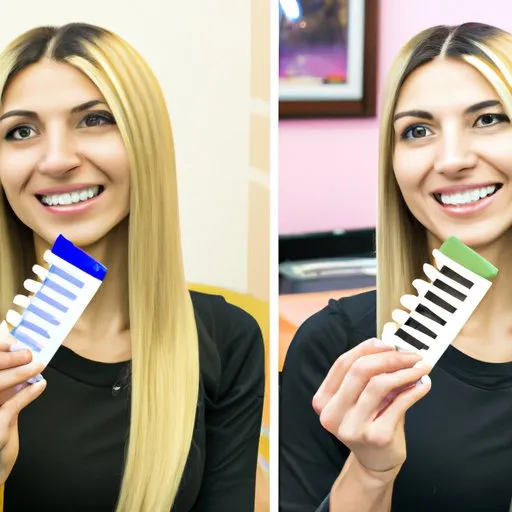
What is Professional Teeth Whitening
Professional teeth whitening, offered by dentists, is a cosmetic dental procedure designed to lighten the color of your teeth and remove stains and discoloration. Unlike over-the-counter whitening products, professional treatments use stronger bleaching agents and are performed under the supervision of a dental professional. This ensures both effective results and the safety of your teeth and gums. The process involves a comprehensive examination to assess your oral health, followed by the application of a bleaching solution, typically hydrogen peroxide or carbamide peroxide, to the surface of your teeth. This solution breaks down the stains, resulting in a brighter, whiter smile. The process can address discoloration caused by coffee, tea, tobacco, aging, and certain medications. Consulting your dentist will help you determine if professional teeth whitening is suitable for your specific needs and oral health condition. This ensures the best possible outcome while minimizing any potential risks associated with the procedure, helping you achieve a confident and radiant smile.
Types of Teeth Whitening Procedures
Dentists offer two main types of professional teeth whitening procedures in-office whitening and at-home whitening kits. Each method utilizes different approaches and has its own set of advantages and considerations. Understanding these differences will help you determine the best option for your specific needs and preferences. In-office whitening provides immediate results, as the procedure is completed during a single dental appointment. At-home whitening kits, on the other hand, offer a more gradual approach, allowing you to whiten your teeth at your convenience over several weeks. Your dentist will evaluate your oral health and discuss your expectations to determine which procedure is more suitable for you. Both options are effective ways to enhance your smile, but they differ in terms of time commitment, cost, and the degree of supervision required. The choice between these options depends on your personal preferences, your budget, and the degree of whitening you desire.
In-Office Teeth Whitening

In-office teeth whitening is a quick and effective method performed by a dentist in the dental office. It is ideal for those seeking immediate results. The procedure typically involves isolating the teeth and gums and applying a high-concentration bleaching agent, often hydrogen peroxide, to the tooth surfaces. A special light or laser is sometimes used to accelerate the whitening process, enhancing the bleaching action of the solution. This method offers significant advantages, including the use of stronger bleaching agents than those available in over-the-counter products, professional supervision to ensure safety, and noticeable results in a single visit. This is a more efficient option compared to at-home whitening kits, as the process is completed under professional care, maximizing the effectiveness of the treatment and minimizing the risk of sensitivity or other complications. Moreover, the immediate effect of the in-office whitening can be a significant morale boost, helping patients feel more confident about their smiles.
How Does In-Office Whitening Work
In-office whitening typically begins with a thorough examination to assess your oral health and ensure that your teeth and gums are healthy enough for the procedure. The dentist will clean your teeth to remove any surface stains and plaque, preparing your teeth for the whitening treatment. Next, your gums and soft tissues around your teeth are protected using a special barrier to prevent irritation from the bleaching agent. A high-concentration bleaching solution is then applied to the surface of your teeth. The solution is left on for a specific amount of time, and the process may be repeated several times during the same session to achieve the desired level of whitening. In some cases, a special light or laser is used to enhance the whitening effect. After the procedure, your dentist will provide instructions on how to maintain your newly whitened smile and recommend any necessary follow-up care.
Cost of In-Office Whitening
The cost of in-office teeth whitening can vary significantly depending on several factors, including the dentist’s location, experience, and the specific whitening system used. Generally, you can expect to pay a higher price for in-office treatments compared to at-home options. The average cost can range from $500 to $1,000 or more per treatment. This price typically includes the initial consultation, the teeth cleaning, the whitening procedure itself, and any necessary protective measures for your gums and teeth. It is essential to discuss the full cost with your dentist before beginning the procedure, ensuring that you understand what is included and what additional costs may be involved. Also, be aware that the cost may also fluctuate depending on whether any pre-whitening treatments are necessary, such as treating cavities or gum disease. Consider this price when evaluating the value proposition of in-office whitening compared to other teeth-whitening options.
At-Home Teeth Whitening Kits from Dentist

At-home teeth whitening kits provided by dentists offer a convenient and cost-effective alternative to in-office treatments. These kits typically include custom-fitted trays and a bleaching gel with a lower concentration of hydrogen peroxide or carbamide peroxide than that used in the office. Your dentist will take impressions of your teeth to create these custom trays, ensuring a precise fit and maximizing the contact between the whitening agent and your teeth. The dentist will provide detailed instructions on how to use the kit safely and effectively, including how to apply the gel to the trays and how long to wear them each day. While at-home kits generally take longer to achieve results than in-office whitening, they allow you to whiten your teeth gradually and comfortably in your own home. This option allows for greater flexibility and is a good choice for individuals who prefer a more gradual approach or who have sensitive teeth. Regular follow-up appointments are often necessary to monitor your progress and ensure your oral health is maintained.
How Do Dentist-Provided Whitening Kits Work
Dentist-provided whitening kits are designed to be a controlled and effective way to whiten your teeth at home. The process typically involves the following steps: First, your dentist takes impressions of your teeth to create custom-fitted trays. These trays are essential because they ensure that the whitening gel comes into even contact with your teeth, preventing irritation to your gums. You will then receive the whitening gel from your dentist, along with clear instructions on its use. The gel contains a bleaching agent that penetrates the enamel and breaks down the stain-causing molecules. Your dentist will advise you on the duration of use, usually ranging from a few minutes to several hours each day. During your follow-up appointments, the dentist will monitor your progress and adjust the treatment plan, ensuring you get the best results. It’s a safe and effective approach, providing professional oversight to maximize whitening while minimizing risks, promoting a brighter and healthier smile.
Cost of Dentist-Provided Whitening Kits
The cost of at-home teeth whitening kits from a dentist is generally more affordable compared to in-office treatments. The price varies depending on the dentist, the type of kit, and the complexity of the treatment. Typically, you can expect to pay between $100 and $500 for a dentist-provided whitening kit. This cost usually includes the custom-fitted trays, the whitening gel, and any necessary follow-up appointments to monitor your progress. The affordability of at-home kits makes them an attractive option for those seeking a cost-effective way to whiten their teeth. However, the total cost may be affected by other factors. Remember to inquire about the specific costs upfront to avoid any surprises and ensure the kit aligns with your budget. This transparency will help you make an informed decision about achieving a brighter, whiter smile.
Factors That Influence Teeth Whitening Cost

Several factors influence the cost of teeth whitening, including the location of the dental practice, the dentist’s experience, and the severity of the staining. Understanding these factors can help you better anticipate the overall cost and make an informed decision that aligns with your budget and desired results. The geographical location of your dentist significantly affects the prices, with treatments often being more expensive in urban areas or regions with a higher cost of living. The experience and reputation of the dentist can also impact the cost. Dentists with advanced training or a strong reputation for cosmetic dentistry may charge a premium. The severity of the staining on your teeth is another crucial factor, as more severe staining might require more extensive treatments and, consequently, higher costs. These factors work together to determine the overall price, which can range from a few hundred dollars to over a thousand for complex cases. Being aware of these elements and discussing them with your dentist will lead to a clearer understanding of the potential costs involved.
Location and Dentist’s Experience
The location of the dental practice and the dentist’s level of experience are critical factors that influence the price of teeth whitening. Practices in major metropolitan areas or regions with a higher cost of living generally charge more for cosmetic procedures like teeth whitening compared to those in smaller towns or rural areas. This is largely due to higher overhead costs, including rent, staff salaries, and other operational expenses. Furthermore, the dentist’s expertise and experience play a significant role. Dentists with advanced training in cosmetic dentistry or those who have built a reputation for providing excellent results may charge higher fees. Their expertise often translates to more predictable and aesthetically pleasing outcomes, justifying the additional cost. Researching local dental practices and comparing the experience levels and credentials of dentists is vital. It helps you find a balance between cost and quality, ensuring you get the best possible outcome for your investment. Consider both the location and the dentist’s qualifications for the best results.
The Severity of Staining
The severity of the staining on your teeth is a key determinant of the cost of teeth whitening. The extent of discoloration directly impacts the treatment plan and the time required to achieve the desired results. For individuals with mild staining or surface discoloration, a single in-office whitening treatment or a short course with an at-home kit might be sufficient. These less intensive treatments often come at a lower cost. However, those with more severe staining, such as stains caused by tetracycline antibiotics or intrinsic discoloration, will require more extensive and potentially repeated treatments. These cases may involve multiple in-office sessions, prolonged use of at-home kits, or the use of stronger whitening agents. The more extensive the treatment needed, the higher the associated costs. Therefore, your dentist will assess the severity of your stains during the initial consultation, allowing them to recommend the appropriate treatment plan and provide an accurate estimate of the total cost. This evaluation is crucial for setting realistic expectations and determining the best course of action.
The Number of Treatments Needed

The number of treatments required to achieve your desired level of teeth whitening significantly affects the total cost. In-office whitening typically involves a single session, but in cases of severe staining or when a more dramatic whitening effect is desired, multiple sessions may be necessary. Each additional session adds to the overall cost. With at-home whitening kits, the cost is often determined by the duration of treatment, as the kits typically need to be used over several weeks. If your teeth are severely stained, a longer treatment duration may be recommended, leading to increased expenses. The dentist will evaluate the initial condition of your teeth and determine the number of treatments based on your goals. During the initial consultation, discuss the expected number of treatments with your dentist and how this affects the overall cost. This information helps you plan for and budget effectively for your teeth whitening treatment.
Additional Costs to Consider
Beyond the core teeth whitening procedure, there are additional costs that can influence the total expense. These may include the initial dental examination and cleaning and any treatments required for tooth sensitivity. Including these expenses will help you fully understand the financial implications of your decision. A thorough dental exam is usually required to assess your overall oral health and ensure your teeth and gums are healthy enough for the whitening procedure. This exam will also include a professional teeth cleaning to remove plaque and surface stains, preparing your teeth for the whitening process. If you experience tooth sensitivity, your dentist might recommend and charge for specialized treatments like fluoride applications. Including these factors will help you arrive at a complete and accurate estimate for the overall costs involved, allowing you to make a well-informed choice.
Dental Exam and Cleaning
Before undergoing teeth whitening, a dental examination and professional cleaning are typically necessary. A thorough dental exam allows your dentist to assess your overall oral health, identify any existing dental issues, such as cavities or gum disease, and determine if teeth whitening is appropriate for you. During this exam, your dentist will also take the opportunity to clean your teeth to remove plaque, tartar, and surface stains. This cleaning is essential because it prepares your teeth for the whitening process, ensuring that the bleaching agent can effectively penetrate the enamel. These preparatory steps are integral parts of the teeth whitening process and are generally included in the overall cost. Make sure to clarify with your dentist what specific services are included in the price to avoid any potential surprises and to understand the complete scope of your teeth whitening treatment.
Teeth Sensitivity Treatments

Teeth whitening can sometimes cause temporary tooth sensitivity, which can be an uncomfortable side effect for some individuals. If you experience sensitivity, your dentist may recommend additional treatments to alleviate the discomfort. These treatments can include fluoride applications, which help to strengthen the enamel and reduce sensitivity, or the use of desensitizing toothpaste. If you have sensitive teeth, discussing this with your dentist is important before beginning the whitening process. The dentist can assess your situation and suggest preventative measures, such as using a desensitizing toothpaste a couple of weeks prior to treatment, or providing a desensitizing agent after each whitening session. The cost of these treatments varies but is usually an additional expense. It is important to factor these costs into your budget to ensure that your teeth whitening experience is as comfortable as possible.
Alternatives to Professional Teeth Whitening
If professional teeth whitening is not the right choice for you, there are alternative methods to improve the appearance of your teeth. These include over-the-counter whitening products, such as whitening toothpastes and strips, as well as other cosmetic dental procedures. Understanding these options can help you make an informed decision about how to achieve a brighter smile. Whitening toothpastes contain mild abrasives and chemicals that help remove surface stains. Whitening strips are another accessible option; they are easy to use and can provide visible results. Beyond these options, there are other cosmetic dental procedures. Dental veneers are custom-made shells that cover the front surface of the teeth, concealing stains and imperfections. Dental bonding involves applying a tooth-colored resin to the teeth to improve their shape and color. Before deciding on any method, it is important to speak with your dentist to explore your options and ensure they are suitable for your oral health.
In conclusion, the cost of teeth whitening from a dentist can vary significantly based on several factors, including the type of procedure, dentist’s location and experience, and the severity of the staining. Understanding these factors allows you to make an informed decision that aligns with your budget and desired results. While in-office whitening offers immediate results and is performed under professional supervision, it typically comes at a higher cost. At-home whitening kits provide a more affordable and convenient alternative but require more time. Additional costs, such as the initial dental exam, cleaning, and treatments for sensitivity, can also impact the overall expense. By considering these elements, you can effectively plan for your teeth whitening treatment and achieve the brighter, whiter smile you desire. Consulting with your dentist is essential to explore your options and develop a personalized plan that meets your specific needs and preferences. Remember to prioritize your oral health throughout the process and to follow all the instructions provided by your dentist to ensure safe and effective results.