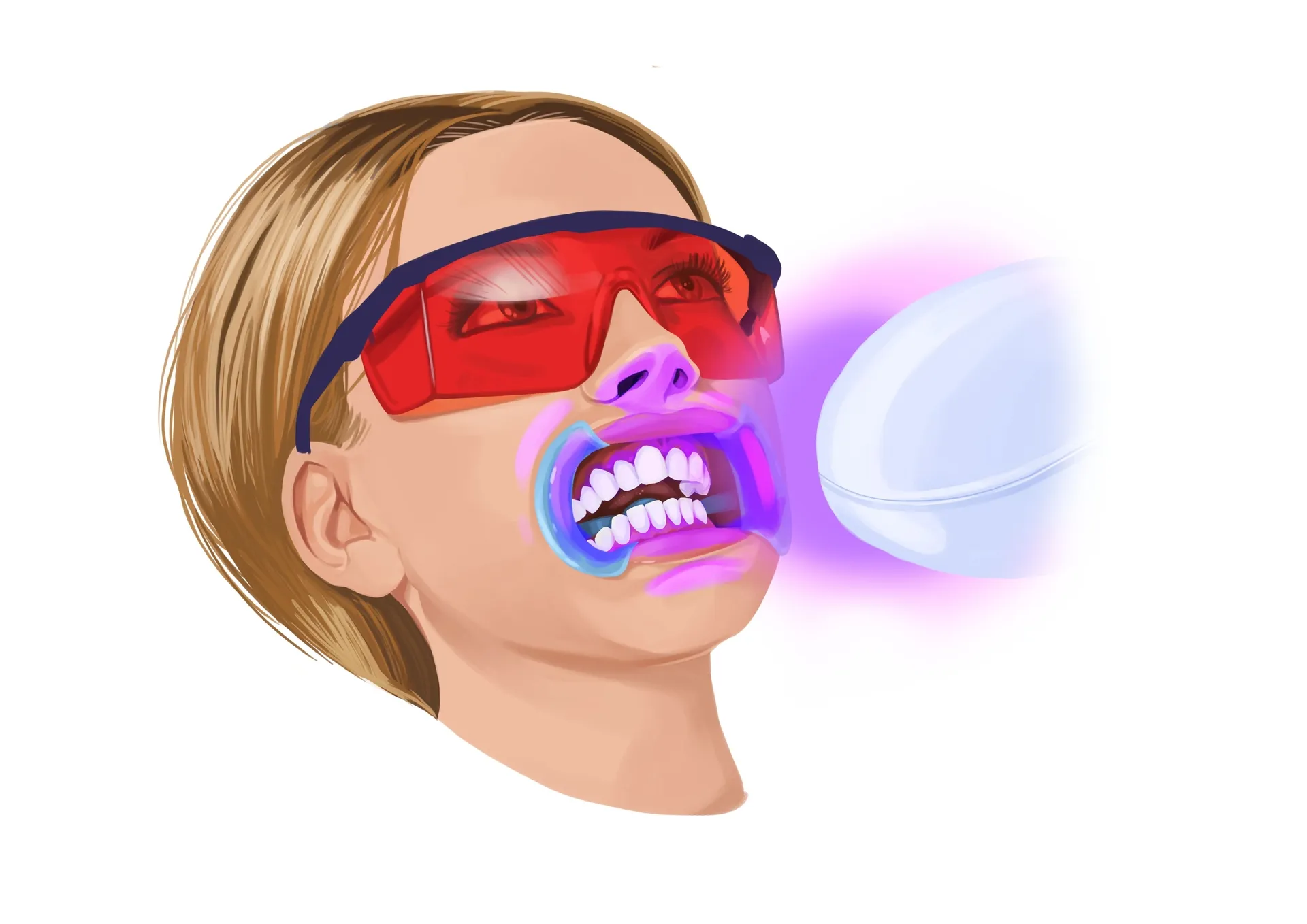
What is Teeth Whitening
Teeth whitening is a cosmetic dental procedure designed to lighten the shade of your teeth, making them appear brighter and more aesthetically pleasing. This process involves removing stains and discoloration that can accumulate on the enamel surface of the teeth. These stains can result from various factors, including the consumption of staining foods and beverages like coffee, tea, and red wine, as well as tobacco use and the natural aging process. There are several methods to whiten your teeth, each with its own approach and cost implications, ranging from professional treatments at a dentist’s office to over-the-counter products available for home use. Understanding the different options, as well as the factors that influence the overall cost, is essential for anyone considering teeth whitening.
Types of Teeth Whitening
When considering teeth whitening, it’s crucial to understand the different methods available, as they vary significantly in terms of cost, effectiveness, and convenience. The two primary categories include professional teeth whitening, performed by a dentist, and at-home whitening treatments. Professional whitening offers the most immediate and dramatic results, typically involving stronger bleaching agents and advanced techniques like in-office laser whitening. At-home options, such as whitening strips, gels, and custom trays, provide a more cost-effective and flexible approach, allowing you to whiten your teeth at your convenience. These methods use a lower concentration of bleaching agents and require more time to achieve the desired outcome. The choice between these options should be based on your individual needs, budget, and the level of improvement you desire.
Professional Teeth Whitening

Professional teeth whitening, conducted by a dentist, is the most effective way to achieve significant and rapid results. These treatments utilize potent bleaching agents, typically hydrogen peroxide or carbamide peroxide, in higher concentrations than those found in over-the-counter products. The process often begins with a thorough examination and cleaning of the teeth to remove plaque and surface stains, maximizing the whitening treatment’s effectiveness. The dentist then applies the whitening agent to the teeth, carefully avoiding contact with the gums. In some cases, specialized lights or lasers may be used to accelerate the bleaching process, enhancing the results. Professional whitening ensures a controlled and safe procedure, minimizing the risk of gum irritation or other complications, which can be a concern with at-home methods. This approach is ideal for those seeking dramatic improvements in a short amount of time, although it comes at a higher price point.
In-Office Whitening
In-office teeth whitening, a subset of professional whitening, offers the most immediate and dramatic results. This procedure is performed entirely in a dental office, usually taking about an hour to complete. The dentist applies a high-concentration bleaching agent to the teeth, which is often activated by a special light or laser to accelerate the whitening process. Before applying the whitening solution, the dentist carefully protects the gums and soft tissues to prevent irritation. In-office whitening can lighten teeth several shades in a single session, making it ideal for those seeking rapid results or preparing for a special event. The cost is generally higher than at-home methods, reflecting the expertise of the dentist, the advanced technology used, and the immediate impact of the treatment. This method provides a safe, controlled environment for effective teeth whitening.
Cost of In-Office Whitening
The cost of in-office teeth whitening can vary widely, typically ranging from $500 to $1,000 or more per treatment. Several factors influence the final price. Geographic location plays a significant role, with costs generally higher in urban areas and regions with a higher cost of living. The dentist’s experience and reputation can also affect the price; highly experienced dentists may charge more for their services. The specific whitening system used, the number of sessions required, and any pre-treatment procedures, such as a professional cleaning, will also influence the overall cost. While the initial investment may seem substantial, in-office whitening offers the most significant and fastest results, making it an appealing option for many seeking a brighter smile.
At-Home Whitening Kits

At-home teeth whitening kits offer a more accessible and budget-friendly alternative to professional treatments. These kits typically include whitening strips, gels, or custom-fit trays, along with a bleaching agent containing hydrogen peroxide or carbamide peroxide. Whitening strips are the most common and easiest to use, simply applied to the teeth for a specified time each day. Whitening gels are applied using custom-fitted trays or pre-filled disposable trays, providing more even coverage and better results. While at-home kits are generally less potent than professional treatments, they still effectively lighten teeth over several weeks of consistent use. It’s crucial to follow the instructions carefully to minimize the risk of side effects, such as gum sensitivity. At-home whitening is ideal for those looking for a gradual improvement in their smile or seeking a more cost-effective solution.
Cost of At-Home Whitening Kits
The cost of at-home teeth whitening kits is significantly lower than professional treatments, with prices ranging from $20 to $200 or more. The price varies depending on the type of kit, the brand, and the concentration of the whitening agent. Over-the-counter whitening strips and gels are generally the most affordable, while custom-fitted trays from a dentist are at the higher end of the price range, reflecting the added cost of professional consultation and custom fitting. While at-home kits provide a more economical option, the results may take longer to appear, and the level of whitening achieved might not be as dramatic as with in-office treatments. However, at-home kits provide a convenient and cost-effective solution for those seeking a brighter smile, especially when used consistently and correctly.
Teeth Whitening Cost Factors
Several factors influence the cost of teeth whitening, making it essential to consider them when budgeting for the procedure. The geographic location significantly impacts pricing; dental services generally cost more in urban areas and regions with a higher cost of living. The dentist’s experience and expertise also play a role, with highly skilled and reputable dentists often charging more for their services. The specific type of whitening treatment chosen, whether in-office or at-home, will significantly affect the cost. Additionally, the severity of the tooth staining impacts the overall price. More significant discoloration or more stubborn stains may require multiple sessions or stronger bleaching agents, leading to higher expenses. It’s crucial to discuss these factors with your dentist to get a clear understanding of the potential costs involved.
Geographic Location

Geographic location is a significant factor influencing the cost of teeth whitening. Dental services, including cosmetic procedures like teeth whitening, typically cost more in metropolitan areas and regions with a higher overall cost of living. This is due to higher overhead expenses, such as rent, utilities, and staff salaries, which dental practices must cover. Additionally, competition among dental providers can also affect pricing. In areas with more dental offices, prices may be more competitive, while in less populated areas, prices could be higher due to limited options. Therefore, the cost of teeth whitening in a major city may be substantially higher than in a rural area. It’s always a good idea to research local pricing and compare costs from different dental practices in your area to find the best value.
Dentist Experience
The experience and expertise of the dentist performing the teeth whitening procedure can significantly impact the cost. Highly experienced dentists, especially those with a strong reputation and specialized training in cosmetic dentistry, often charge more for their services. This higher cost reflects their extensive knowledge, skill, and ability to deliver optimal results. Experienced dentists may also use more advanced techniques and technologies, leading to increased expenses. While it might be tempting to opt for the least expensive option, choosing a dentist with a proven track record can often result in better outcomes, reduced risks of complications, and a more satisfying overall experience. Researching a dentist’s credentials, reading reviews, and asking about their experience with teeth whitening are crucial steps in making an informed decision.
The Severity of Staining
The severity of the staining on your teeth is a critical factor in determining the cost of teeth whitening. If you have significant discoloration or stubborn stains caused by factors like aging, tobacco use, or the consumption of heavily staining foods and drinks, you may require more intensive treatment to achieve the desired results. This could involve multiple whitening sessions, stronger bleaching agents, or a combination of professional and at-home methods. These additional measures contribute to the overall cost of the procedure. In contrast, if your teeth have relatively mild staining, a single session of in-office whitening or a less potent at-home kit may suffice, reducing the overall expense. Your dentist will assess the severity of your stains during a consultation and recommend the most appropriate and cost-effective treatment plan for your specific needs.
Additional Costs to Consider

When budgeting for teeth whitening, it’s important to factor in additional costs that might not be immediately apparent. These can include the initial consultation fee with the dentist, which typically involves an examination and assessment of your oral health. Pre-treatment procedures, such as professional teeth cleaning to remove plaque and surface stains, can also add to the overall expense. For at-home whitening kits, you may need to purchase extra supplies, such as replacement trays or additional whitening gel. If you experience sensitivity during or after the whitening process, you might need to buy desensitizing toothpaste or other products to alleviate the discomfort. Considering these potential extra expenses ensures a more realistic budget and helps avoid unexpected costs during the teeth whitening process.
Maintenance and Follow-up
Maintenance and follow-up care are crucial aspects to consider after undergoing teeth whitening. While the initial procedure can provide impressive results, maintaining your bright smile requires ongoing effort. This includes regular dental check-ups and professional cleanings to remove any new stains or surface discoloration. Your dentist may recommend using at-home touch-up treatments, such as whitening toothpaste or over-the-counter whitening products, to maintain your results. Additionally, you should be mindful of your diet and lifestyle choices, avoiding excessive consumption of staining foods and beverages like coffee, tea, red wine, and tobacco products. Proper oral hygiene, including regular brushing, flossing, and the use of mouthwash, is essential to prevent new stains and prolong the effects of teeth whitening. Understanding and adhering to these maintenance steps will help you enjoy your brighter smile for years to come.
Alternatives to Teeth Whitening
There are several alternatives to teeth whitening that may be suitable depending on your specific needs and budget. Dental veneers, thin shells made of porcelain or composite resin, are a popular option for those seeking dramatic improvements in the appearance of their teeth. Veneers cover the front surface of the teeth, effectively masking stains, chips, and other imperfections. Dental bonding, a less expensive alternative, involves applying a tooth-colored resin to the teeth to repair minor flaws and improve their appearance. For mild staining or discoloration, over-the-counter whitening products like whitening toothpaste or mouthwash can provide a gradual improvement. Another option is professional dental cleaning, which can remove surface stains and make your teeth appear brighter. The choice of alternative depends on your goals, the severity of the discoloration, and your budget. Consulting with your dentist is essential to determine the most appropriate solution for your dental needs.
Teeth Whitening Cost Conclusion

Teeth whitening can be a transformative cosmetic procedure, providing a significant boost to your smile and confidence. However, understanding the various factors that influence the cost is essential for making an informed decision. From in-office professional treatments to at-home whitening kits, the options vary widely in price and effectiveness. The overall cost depends on factors such as geographic location, dentist experience, and the severity of staining. Consider the additional costs of maintenance and follow-up care, as well as alternative treatments. By carefully evaluating your needs, budget, and the available options, you can choose the teeth whitening method that best suits you. Consulting with your dentist is the best way to create a personalized plan and get the best possible results.