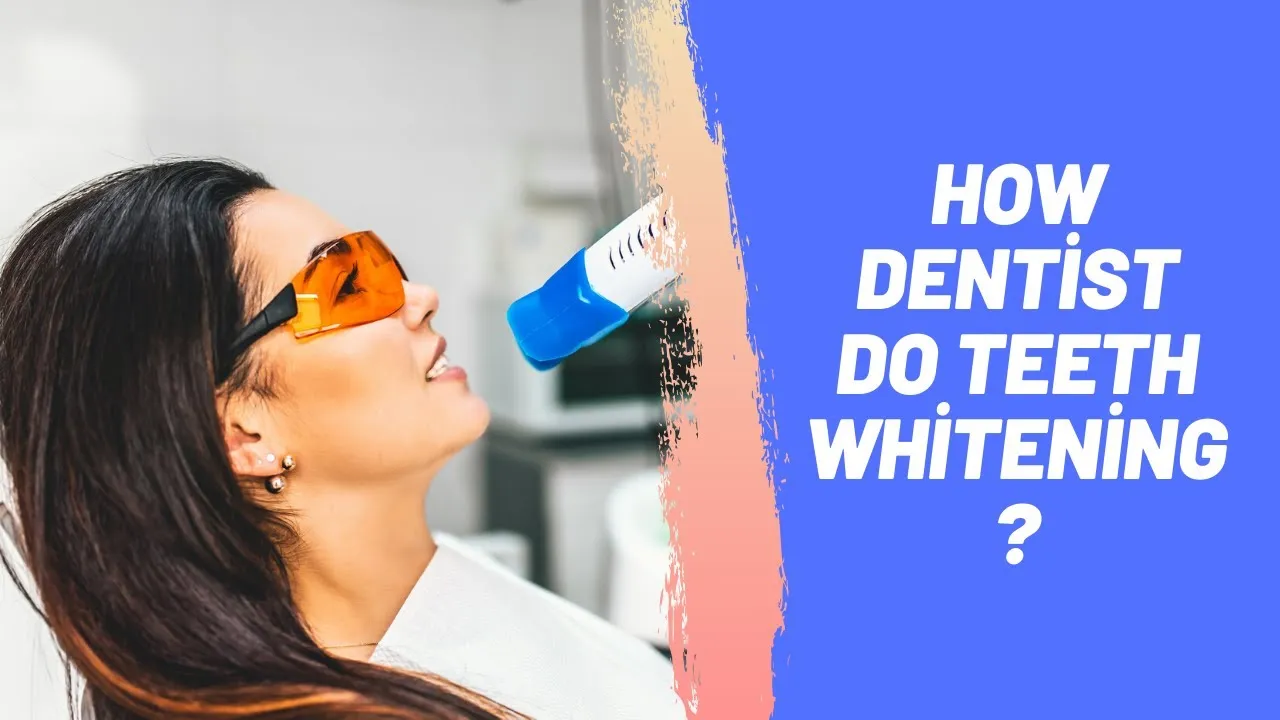
What Is Teeth Whitening at the Dentist?
Teeth whitening at the dentist, also known as professional teeth whitening, is a cosmetic dental procedure designed to lighten the shade of your teeth. This process involves using a higher concentration of bleaching agents compared to over-the-counter products, typically performed under the supervision of a dental professional. The primary goal is to remove stains and discoloration caused by various factors, resulting in a brighter and more aesthetically pleasing smile. The treatment is often sought after by individuals looking to boost their confidence and improve their overall appearance. Unlike at-home methods, professional whitening offers faster and more significant results, making it a popular choice for those seeking immediate improvements in their teeth’s appearance.
Types of Professional Teeth Whitening
There are several types of professional teeth whitening options available at a dentist’s office, each with its own methods and advantages. These options are tailored to meet different needs and preferences, ensuring that patients can find the most suitable solution for their specific situation. Two of the most common types include in-office whitening and custom tray whitening, both of which provide superior results compared to over-the-counter alternatives. The choice between these methods often depends on factors such as the severity of discoloration, the patient’s schedule, and their personal preferences for convenience and cost-effectiveness. Understanding the differences between these types can help patients make informed decisions about the best approach to achieve a brighter, whiter smile.
In-Office Whitening

In-office whitening, also known as chairside bleaching, is a professional teeth whitening procedure performed directly in the dentist’s office. The process typically involves the application of a high-concentration bleaching gel to the teeth, which is then activated using a special light or laser. This method offers the most immediate results, often lightening the teeth several shades in a single session. The entire procedure usually takes about an hour to complete, making it a convenient option for those who want quick and dramatic improvements. Before the treatment, the dentist will protect the gums and soft tissues with a protective barrier to minimize any potential irritation from the bleaching agent. This ensures a safe and effective whitening experience, delivering a noticeably brighter smile in a short amount of time. Image: In-office teeth whitening
Custom Tray Whitening
Custom tray whitening involves the dentist creating custom-fitted trays that are designed to fit the patient’s mouth precisely. The dentist takes impressions of the patient’s teeth to fabricate these trays, which are then used at home with a professional-strength whitening gel. This method offers greater flexibility and convenience, as patients can whiten their teeth at their own pace and on their own schedule. Patients typically wear the trays for a few hours each day or overnight, depending on the dentist’s instructions and the concentration of the whitening agent. Custom tray whitening is a cost-effective option that allows patients to achieve significant whitening results gradually over a period of weeks. This approach provides a balance between professional care and the convenience of at-home treatment, making it a popular choice for many patients seeking to improve the appearance of their smiles. Image: Custom tray teeth whitening.
How Effective Is Dentist Teeth Whitening?
Teeth whitening performed by a dentist is generally considered highly effective, offering significant improvements in teeth shade compared to over-the-counter methods. The effectiveness of professional teeth whitening is largely due to the higher concentrations of bleaching agents used, which are able to penetrate the enamel and break down stubborn stains. Dentists also have the expertise to assess the patient’s oral health and determine the most appropriate whitening treatment for their specific needs. This ensures that the whitening process is both safe and yields optimal results. Professional whitening can effectively address a wide range of discoloration issues, from surface stains caused by food and drinks to deeper stains caused by medications or aging. Image: Teeth whitening results.
Factors Affecting Whitening Results

Several factors can influence the effectiveness of teeth whitening at the dentist. These factors include the severity of the discoloration, the type of stains present, and the individual’s overall oral health. Understanding these factors helps patients to set realistic expectations and allows the dentist to tailor the treatment plan accordingly. The success of the whitening process is also affected by patient compliance, such as following post-treatment instructions and maintaining good oral hygiene. Addressing these factors can significantly improve the outcome of teeth whitening, ensuring that patients achieve the desired results and maintain a brighter, healthier smile.
Severity of Discoloration
The initial severity of the teeth discoloration is a significant factor in determining the outcome of professional teeth whitening. Teeth with more severe stains, such as those caused by long-term smoking or excessive consumption of staining foods and beverages, may require multiple whitening sessions or a more potent bleaching agent to achieve the desired results. In contrast, teeth with milder staining may respond more quickly and effectively to the treatment. The dentist will assess the degree of discoloration during the initial consultation and recommend a treatment plan that aligns with the patient’s needs and expectations. The greater the severity of the discoloration, the more complex the treatment might need to be, influencing both the duration and cost of the procedure.
Type of Stains
The type of stains present on the teeth also plays a crucial role in the effectiveness of teeth whitening. Surface stains, which are caused by external factors like coffee, tea, and tobacco, typically respond well to professional whitening treatments. Deeper stains, which may be caused by medications, aging, or internal factors, might require more extensive treatment or a combination of methods to achieve optimal results. The dentist will assess the type of stains to determine the most appropriate whitening approach. Some stains may be more resistant to bleaching and require alternative treatments, such as veneers or crowns, to effectively address the discoloration. Understanding the type of stains helps to set realistic expectations and guides the dentist in providing the most suitable treatment for each patient.
Benefits of Professional Teeth Whitening

Professional teeth whitening offers several advantages over at-home methods, providing patients with a more effective and safer way to brighten their smiles. The benefits extend beyond just achieving a whiter appearance; they also contribute to improved self-esteem and confidence. The ability to receive treatment under professional supervision, along with the use of stronger whitening agents, ensures better and more consistent results. Professional whitening also provides the opportunity for dentists to address underlying oral health issues, ensuring a healthy and beautiful smile. These combined benefits make professional teeth whitening a popular choice for individuals seeking to enhance their appearance and overall well-being.
Faster Results
One of the most significant benefits of professional teeth whitening is the speed with which results are achieved. In-office whitening, for example, can lighten teeth several shades in just a single session, which typically lasts around an hour. This is a major advantage for individuals seeking immediate improvements in their smile’s appearance. At-home whitening kits, while effective, often require several weeks of consistent use to achieve similar results. The faster turnaround time of professional whitening is particularly appealing for those preparing for special occasions, such as weddings, graduations, or important meetings. The ability to see noticeable changes in a short amount of time provides an instant boost in confidence and self-esteem. This quick transformation makes professional teeth whitening a highly desirable option for anyone looking to enhance their smile rapidly. Image: Professional teeth whitening
Enhanced Effectiveness
Professional teeth whitening offers enhanced effectiveness due to the use of higher concentrations of bleaching agents and the expertise of the dental professional. Dentists have access to stronger whitening solutions that are not available over the counter, which can penetrate the enamel more effectively and break down stubborn stains. This leads to more dramatic and consistent whitening results compared to at-home products. The professional setting also ensures that the whitening process is performed safely and that any potential risks are minimized. Dentists can tailor the treatment to the specific needs of each patient, ensuring optimal results. This enhanced effectiveness makes professional teeth whitening a superior choice for those seeking to achieve a significantly brighter and more radiant smile.
Professional Supervision

Professional teeth whitening provides the added benefit of supervision by a qualified dentist. This ensures that the whitening process is conducted safely and effectively, minimizing the risk of potential side effects. Dentists are trained to assess the patient’s oral health, identify any existing issues, and tailor the treatment accordingly. They can also monitor the patient’s progress and adjust the treatment as needed to achieve the best possible results. The professional supervision provides peace of mind and ensures that any complications are addressed promptly. This level of care is crucial for maintaining the health and safety of the teeth and gums throughout the whitening process. The guidance of a dentist also helps in setting realistic expectations and understanding the long-term maintenance required to keep the smile bright.
Potential Risks and Side Effects
While professional teeth whitening is generally safe, there are potential risks and side effects that patients should be aware of. These include tooth sensitivity and gum irritation, which are usually temporary and can be managed with appropriate measures. Understanding these potential side effects allows patients to make informed decisions and take necessary precautions to minimize any discomfort. Dentists are trained to mitigate these risks, ensuring that the whitening process is as comfortable and safe as possible. Being informed about these potential side effects helps patients feel more confident and prepared throughout the treatment process. It is always best to discuss any concerns with your dentist before starting the teeth whitening procedure.
Tooth Sensitivity
Tooth sensitivity is a common side effect of teeth whitening, both professional and at-home methods. This sensitivity occurs because the bleaching agents can penetrate the enamel and reach the dentin layer, which contains the nerve endings. Patients may experience a sharp, temporary pain when consuming hot or cold foods and drinks. This sensitivity is usually temporary and subsides within a few days after the whitening treatment. Dentists often recommend using toothpaste specifically designed for sensitive teeth to alleviate the discomfort. Avoiding extremely hot or cold foods and drinks immediately after the whitening treatment can also help reduce sensitivity. Image: Teeth sensitivity.
Gum Irritation

Gum irritation is another potential side effect of teeth whitening, particularly if the bleaching agent comes into contact with the gums. This can result in redness, swelling, and tenderness. Dentists take precautions to protect the gums during the whitening process, such as using protective barriers. In cases of irritation, the discomfort is usually mild and temporary, resolving within a few days. Patients can alleviate gum irritation by avoiding harsh brushing and using a gentle toothbrush. Rinsing with warm saltwater can also help soothe the gums and promote healing. If the irritation persists or worsens, it is important to consult the dentist for further evaluation and treatment. Image: Gum irritation
Cost of Dentist Teeth Whitening
The cost of teeth whitening at the dentist can vary depending on the type of treatment, the dentist’s fees, and the geographical location. In-office whitening tends to be more expensive than custom tray whitening because of the more extensive services. However, it’s important to consider the value of the results and the convenience of each method when evaluating the overall cost. Many dental practices offer payment plans or financing options to make teeth whitening more accessible. When comparing costs, it is also important to consider the long-term benefits, such as a more confident smile and improved oral health. The investment in professional teeth whitening is often seen as a worthwhile expense for individuals seeking to enhance their appearance and overall well-being.
Alternatives to Professional Whitening
While professional teeth whitening is highly effective, alternative options are available for those who prefer less expensive or more gradual approaches. These alternatives include over-the-counter products and at-home whitening kits, which can be a good starting point for people with mild staining. However, it’s important to understand the limitations of these methods and to follow the instructions carefully to avoid any potential risks. It’s always best to consult with a dentist before using any whitening product to ensure it is safe for your oral health. Making an informed decision about teeth whitening methods is crucial to achieve the desired results and to maintain the overall health of your teeth and gums.
Over-the-Counter Products

Over-the-counter teeth whitening products, such as whitening toothpaste, strips, and gels, are readily available in drugstores and supermarkets. These products typically contain lower concentrations of bleaching agents compared to professional treatments, making them a more affordable option. Whitening toothpastes work by removing surface stains, while whitening strips and gels can penetrate the enamel to lighten the teeth. While these products can provide some improvement in teeth shade, they may not be as effective for deep or stubborn stains. They also may not be suitable for everyone, especially those with sensitive teeth or existing dental problems. It’s essential to follow the product instructions carefully and to consult with a dentist if any issues arise. The effectiveness of over-the-counter products varies depending on the individual and the severity of the discoloration.
At-Home Whitening Kits
At-home whitening kits, often available from your dentist or online, typically include custom-fitted trays and professional-strength bleaching gels. These kits provide a balance between professional care and the convenience of at-home treatment. Patients wear the trays for a specified amount of time each day or overnight, depending on the instructions. At-home whitening kits can provide more noticeable results than over-the-counter products but may require more time to achieve the desired outcome. The dentist provides instructions and monitors the patient’s progress to ensure safety and effectiveness. This approach offers a more controlled and personalized whitening experience compared to over-the-counter products. It is crucial to follow the dentist’s instructions carefully to avoid any potential complications.
Maintaining Your White Smile
Maintaining a white smile after professional teeth whitening requires diligent oral hygiene practices and a conscious effort to avoid staining foods and beverages. Following these tips will help prolong the effects of the whitening treatment and keep your teeth looking bright. Regular check-ups and cleanings with your dentist are also essential for maintaining your overall oral health and the appearance of your teeth. By adopting a proactive approach to oral care, you can enjoy a confident, white smile for years to come. Maintaining your white smile is an ongoing process that involves both professional and personal efforts. It’s a commitment to your oral health and the longevity of your beautiful, bright smile.
Aftercare Tips
Following the aftercare tips provided by your dentist is crucial for maintaining the results of teeth whitening. This usually involves avoiding staining foods and beverages, such as coffee, tea, red wine, and dark sauces, for at least the first few weeks after the treatment. Brushing and flossing regularly, along with using a whitening toothpaste, can also help maintain the brightness of your teeth. If you consume staining foods or drinks, rinsing your mouth with water immediately afterward can help minimize staining. The dentist may recommend touch-up treatments to maintain the desired results. Following these aftercare tips will help maximize the longevity of your whiter smile and prevent future discoloration.
Regular Dental Check-ups
Regular dental check-ups and cleanings are essential for maintaining the results of teeth whitening and for overall oral health. During these visits, the dentist can assess your teeth for any new stains or other issues and recommend appropriate treatments or adjustments to your oral hygiene routine. Professional cleanings remove plaque and tartar buildup, which can contribute to staining and dull the appearance of your teeth. The dentist can also provide professional whitening touch-ups to maintain the brightness of your smile. Regular check-ups allow the dentist to monitor your oral health and address any problems early on, ensuring that your teeth remain healthy and your smile remains bright for years to come. Maintaining a consistent schedule of dental visits is a critical component of long-term oral health and a beautiful smile.