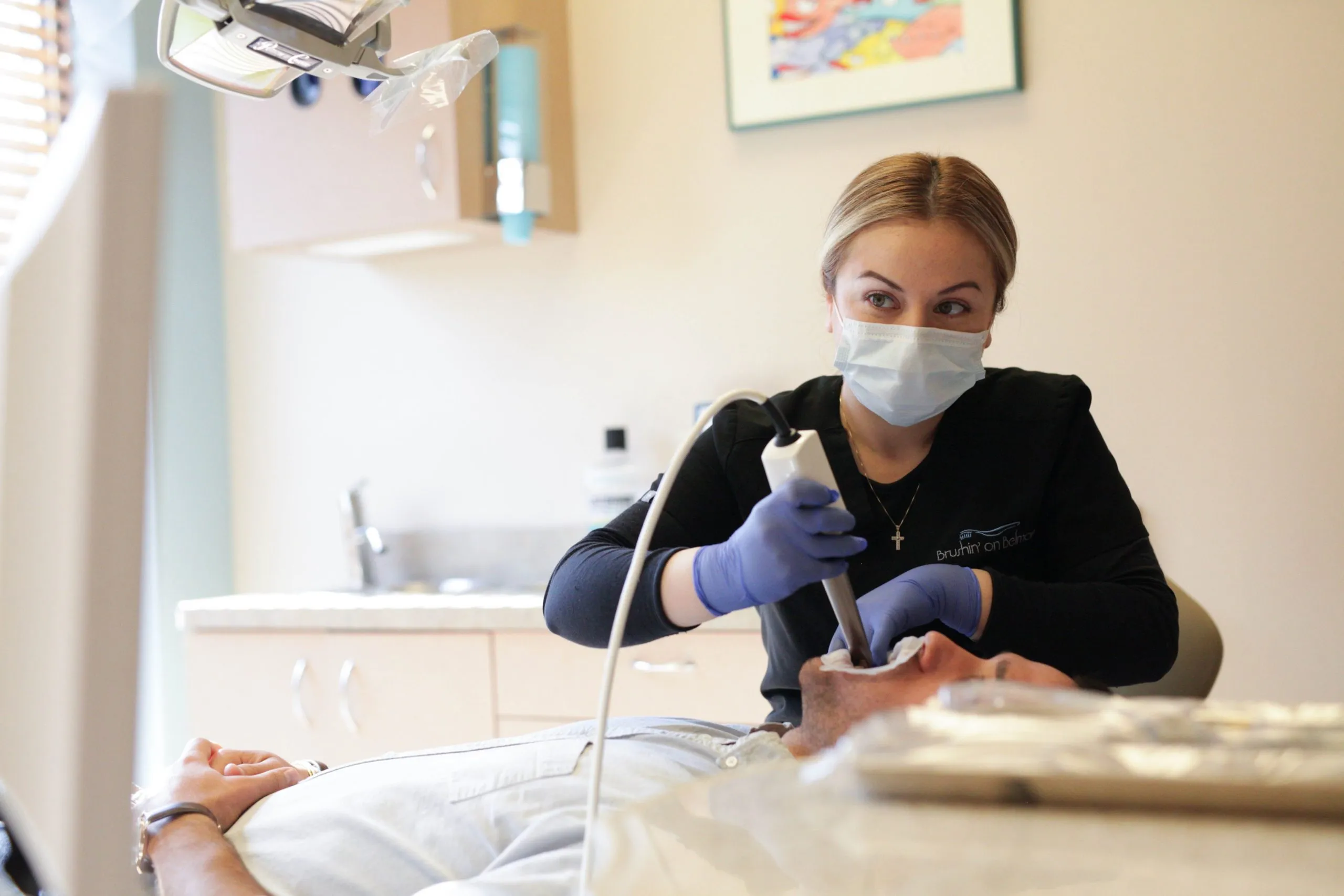
What is Dentist Teeth Whitening?
Dentist teeth whitening, also known as professional teeth whitening, is a cosmetic dental procedure designed to lighten the color of your teeth and remove stains and discoloration. Unlike over-the-counter whitening products, dentist-provided treatments use higher concentrations of whitening agents, leading to more significant and faster results. The primary goal is to enhance the aesthetic appearance of your smile by making your teeth several shades brighter. This procedure not only boosts your confidence but also improves the overall health of your teeth. Understanding the basics of dentist teeth whitening is the first step towards achieving a brighter, more confident smile.
Types of Dentist Teeth Whitening
Dentists offer various teeth whitening methods to cater to different patient needs and preferences. The two main types are in-office whitening and take-home whitening kits. Each method has its own advantages, and the best option for you will depend on your individual circumstances, desired results, and lifestyle. Your dentist will assess your teeth and discuss the most suitable option during your consultation. The choice between these methods often comes down to factors such as the severity of the staining, the time you have available, and your budget. Understanding the difference between these methods is crucial for making an informed decision.
In-Office Whitening (Chair-side)

In-office teeth whitening, often called chair-side whitening, is a procedure performed in your dentist’s office. It involves applying a high-concentration bleaching agent to your teeth, which is then activated by a special light or laser. This process usually takes about an hour and can significantly lighten your teeth in a single session. The dentist carefully monitors the process to ensure the safety and comfort of the patient. This method is ideal for those seeking immediate and dramatic results. In-office whitening is particularly effective for treating severe staining or discoloration. The results can be remarkable, providing a dazzling, brighter smile quickly.
Take-Home Whitening Kits
Take-home whitening kits provided by your dentist offer a more gradual approach to teeth whitening. These kits include custom-fitted trays and a lower-concentration bleaching agent. You wear the trays for a specific amount of time each day, as directed by your dentist, typically for a few hours or overnight. This method is more convenient for those who prefer to whiten their teeth at their own pace and in the comfort of their home. While the results may take longer to appear compared to in-office whitening, take-home kits offer flexibility and affordability. Your dentist will provide detailed instructions and ensure the process is safe and effective.
Factors Influencing Effectiveness
The effectiveness of dentist teeth whitening is influenced by several factors. Understanding these can help you set realistic expectations and achieve the best possible results. The type and severity of the stains, individual tooth properties, and aftercare practices all play a crucial role in how well the whitening treatment works. Your dentist will assess these factors during your consultation to determine the most suitable treatment plan for you. Being aware of these factors enables you to make informed decisions and optimize your whitening experience.
Severity of Staining

The type and severity of stains on your teeth significantly impact the effectiveness of whitening treatments. Extrinsic stains, which are on the surface of the teeth, caused by things like coffee, tea, and tobacco, are generally easier to remove. Intrinsic stains, which are deeper within the tooth structure, might require more aggressive treatment or multiple sessions. The dentist will evaluate the type and extent of staining to determine the best approach. Severe staining often needs more powerful whitening agents or a combination of treatments to achieve optimal results. Understanding the origin and severity of your stains helps in setting realistic expectations and choosing the appropriate whitening method.
Teeth Whitening Image 1
An image showcasing the process of teeth whitening, highlighting the initial stained teeth, the application of the whitening gel, and the final, brighter results. The image highlights how effective teeth whitening can be.
Individual Tooth Properties
The natural properties of your teeth can also affect the outcome of whitening treatments. For example, teeth with more translucent enamel may whiten more effectively than those with thicker, less translucent enamel. The underlying dentin color also plays a role, as a naturally darker dentin can make whitening more challenging. Certain dental restorations, such as fillings, crowns, and veneers, do not whiten in response to bleaching agents. It is important to discuss these factors with your dentist so that they can create a customized plan that suits your specific needs and expectations. Understanding your teeth’s unique characteristics helps you get the most out of your whitening treatment.
Whitening Procedure Image 2

An image displaying a dentist performing a teeth whitening procedure, demonstrating the steps taken during an in-office treatment. This includes the application of the whitening agent and the use of a special light. The image can show the patient comfortable during the treatment.
What to Expect During Treatment
Knowing what to expect during a dentist teeth whitening treatment can help you feel more comfortable and prepared. The process involves a series of steps, from the initial consultation to the actual whitening procedure and aftercare instructions. Your dentist will guide you through each step, ensuring your safety and comfort. Understanding the process eliminates any anxiety and helps you appreciate the benefits of a brighter smile. Your dentist will also explain any potential side effects and how to manage them.
Before the Procedure
Before undergoing a teeth whitening treatment, your dentist will conduct a thorough examination of your teeth and gums. They will check for any existing dental problems, such as cavities or gum disease, which must be addressed before whitening. Your dentist will also discuss your desired results and expectations, as well as the potential risks involved. A professional cleaning may be recommended to remove any surface stains and plaque, ensuring the whitening agent can effectively penetrate the teeth. Be prepared to answer questions about your oral hygiene habits and lifestyle to help the dentist choose the best treatment plan.
The Whitening Process

The actual teeth whitening process varies depending on the method chosen. For in-office whitening, your dentist will protect your gums and soft tissues before applying a high-concentration whitening agent to your teeth. A special light or laser may be used to activate the bleaching agent and accelerate the whitening process. The treatment typically lasts for about an hour, and you may experience some sensitivity during and after the procedure. For take-home whitening, the dentist will provide you with custom-fitted trays and instructions on how to apply the bleaching agent. The process involves wearing the trays for a specific period each day or night, as directed by your dentist. Regular check-ups are usually scheduled to monitor your progress and address any concerns.
Whitening Products Image 3
An image showcasing the range of teeth whitening products available, from in-office bleaching agents to take-home kits and whitening toothpastes, highlighting the differences and applications of each.
Aftercare and Maintenance
Proper aftercare and maintenance are essential to maintain the results of your teeth whitening treatment. Following your dentist’s instructions, adopting good oral hygiene practices, and avoiding certain foods and drinks can help prolong the effects of the whitening process. Regular dental check-ups and cleanings are also crucial for keeping your smile bright and healthy. The steps you take after your treatment significantly influence how long your whitened teeth will stay bright and vibrant. A consistent approach to oral care will help ensure long-lasting results.
Avoiding Staining Foods and Drinks

Certain foods and drinks can stain your teeth and reverse the effects of whitening treatments. It’s advisable to avoid or limit the consumption of dark-colored beverages like coffee, tea, red wine, and cola. Foods like berries, soy sauce, and tomato-based sauces can also contribute to staining. Smoking and chewing tobacco can also stain your teeth. Following a temporary dietary restriction immediately after whitening will help prevent staining and maximize your results. Rinsing your mouth with water after consuming potentially staining foods and drinks can also help to minimize their impact.
Maintaining Your Bright Smile
Maintaining your bright smile involves several strategies. Regular brushing and flossing are crucial for removing plaque and preventing new stains. Using a whitening toothpaste can help maintain the brightness, but consult with your dentist before using it. Periodic touch-up treatments may be necessary to keep your teeth looking their best. Avoiding tobacco products and practicing good oral hygiene will ensure that your smile remains radiant for an extended period. Schedule regular dental check-ups and cleanings, as your dentist can assess your teeth and provide professional guidance for maintaining the results of your whitening treatment.
Effectiveness of Dentist Teeth Whitening vs. Other Methods
Dentist teeth whitening is generally considered more effective than other methods, such as over-the-counter products, due to the higher concentration of bleaching agents and the expertise of dental professionals. While over-the-counter products can provide some whitening effects, they often produce less dramatic results and take longer to achieve. Your dentist has the expertise and resources to assess your specific needs and choose the most suitable treatment. Understanding the differences between these methods can help you make an informed decision and choose the most effective approach for your needs.
Professional vs. Over-the-Counter Products

Professional teeth whitening offers several advantages over over-the-counter products. Dentist-provided treatments use higher concentrations of hydrogen peroxide or carbamide peroxide, the active ingredients in whitening agents, which leads to faster and more noticeable results. Dentists can also monitor the process to minimize the risk of sensitivity and ensure the safe use of whitening agents. Over-the-counter products, such as whitening strips, toothpastes, and gels, often contain lower concentrations of these agents and are less effective. They may also not fit properly or be as effective in reaching all areas of your teeth. Consulting with a dentist ensures you receive the most effective and safe whitening treatment.
Cost and Value
While professional teeth whitening may have a higher initial cost compared to over-the-counter options, it often provides better value. The more dramatic and faster results, combined with the expertise and safety provided by a dentist, make it a worthwhile investment. The cost of professional whitening can vary depending on the type of treatment and the location of your dentist. However, the long-term benefits, including a brighter smile and increased confidence, often outweigh the cost. Moreover, professional treatments are customized for your individual needs and preferences, ensuring optimal results. Considering both the initial cost and the value provided is crucial in making an informed decision.
Considerations and Potential Risks
While teeth whitening is generally safe, it’s important to be aware of potential risks and considerations. Tooth sensitivity and gum irritation are the most common side effects. Your dentist can take measures to minimize these risks. If you have any existing dental issues, such as cavities or gum disease, these must be addressed before whitening. It is also important to discuss your medical history and any medications you are taking with your dentist. By understanding these factors, you can make an informed decision and ensure a safe and effective whitening experience.
Tooth Sensitivity
Tooth sensitivity is a common side effect of teeth whitening. It occurs because the whitening agents can temporarily penetrate the enamel and reach the dentin, which contains nerve endings. This can cause a sharp, but usually temporary, pain or discomfort. Your dentist can recommend ways to manage sensitivity, such as using toothpaste designed for sensitive teeth or applying fluoride treatments. Sensitivity typically subsides within a few days after the treatment. Avoiding very hot or cold foods and drinks after whitening can also help to reduce sensitivity. If you experience significant sensitivity, inform your dentist so they can adjust the treatment plan accordingly.
Gum Irritation
Gum irritation is another potential side effect of teeth whitening. This can occur if the whitening agent comes into contact with your gums. Dentists take precautions to protect your gums during the procedure, such as using a protective barrier. Mild gum irritation may cause redness or soreness, but it usually resolves within a few days. If you experience significant gum irritation, inform your dentist so they can provide advice or modify the treatment plan. Maintaining good oral hygiene and avoiding harsh brushing can also help to minimize irritation. In most cases, gum irritation is temporary and does not cause any long-term harm.
Consulting with a Dentist
Consulting with a dentist is essential before undergoing any teeth whitening treatment. Your dentist can assess your oral health, determine if teeth whitening is right for you, and recommend the most suitable treatment option. They will also discuss your expectations, potential risks, and aftercare instructions. A dentist can customize the treatment to suit your individual needs and provide professional guidance. Consulting with a dentist ensures a safe, effective, and satisfying whitening experience. The expertise and care provided by your dentist are invaluable for achieving a brighter, healthier smile.
Ask About Your Teeth
During your consultation, your dentist will ask you about your oral health history, any existing dental problems, and your desired results. They will also examine your teeth and gums to assess their suitability for whitening. This information will help them develop a personalized treatment plan. Don’t hesitate to ask questions about the procedure, potential risks, and aftercare. Understanding the process and discussing your concerns with your dentist is crucial for ensuring a positive outcome. Your dentist is there to guide you and address any questions you may have.
Whitening Results Image 4
An image showing before-and-after results of dentist teeth whitening, highlighting the dramatic improvement in tooth color and overall smile appearance.