What is Teeth Whitening with DIY Peroxide?
Teeth whitening with DIY peroxide involves using hydrogen peroxide, a common chemical compound, to lighten the shade of your teeth. It’s a popular at-home method offering a potentially more affordable alternative to professional treatments. The core principle behind this method lies in hydrogen peroxide’s ability to penetrate the enamel and dentin of your teeth, where it breaks down stain-causing molecules. This process effectively removes or reduces discoloration, leading to a brighter smile. However, it’s crucial to approach this DIY method with caution, understanding both its potential benefits and associated risks. This guide will help you explore different methods, safety precautions, and the overall effectiveness of DIY peroxide teeth whitening.
Understanding Hydrogen Peroxide for Teeth Whitening
Hydrogen peroxide is a naturally occurring chemical compound with the formula H2O2, and it acts as a mild oxidizing agent. In the context of teeth whitening, it serves as the primary bleaching agent. The mechanism involves the release of oxygen free radicals, which react with the stain molecules present within the enamel and dentin. These free radicals break down the stain compounds, resulting in a lighter tooth shade. It’s the same chemical used by dentists but at a lower concentration for home use. Because hydrogen peroxide is an oxidizing agent, it can react with certain stains caused by foods, beverages, and smoking. The effectiveness of this method varies based on factors like the concentration of peroxide, the duration of treatment, and the type and severity of staining. It’s important to understand that the results can vary widely from person to person.
Peroxide Concentration and Safety

The concentration of hydrogen peroxide is a critical factor in both the efficacy and safety of DIY teeth whitening. The concentration is usually expressed as a percentage of the solution. For home use, the recommended concentration of hydrogen peroxide is typically between 1.5% to 3%. Higher concentrations can be more effective in removing stains, but they also carry a greater risk of side effects, such as tooth sensitivity and gum irritation. Dental professionals use much higher concentrations, sometimes up to 40%, but under controlled conditions in a dental setting. Always carefully read the product labels and instructions before use. It’s advisable to start with a lower concentration to assess your teeth’s sensitivity and response. If you experience excessive sensitivity or discomfort, discontinue use immediately and consult a dentist. Safe handling includes avoiding swallowing any peroxide solution and properly storing the product out of reach of children.
Different Methods for DIY Peroxide Teeth Whitening
Peroxide Whitening with a Tray
The tray method involves using a custom-fitted or over-the-counter tray to hold the hydrogen peroxide solution against your teeth. This method ensures even coverage and maximizes contact time, potentially leading to more noticeable results. It’s essential to select a tray that fits your teeth snugly to minimize any leakage of the whitening solution onto your gums. Tray whitening provides a controlled environment for the peroxide to act on your teeth and minimizes unnecessary exposure to the surrounding soft tissues. You can typically purchase these trays at a local pharmacy or online. The process generally involves applying a small amount of hydrogen peroxide solution into the tray and then wearing it for a specified period, usually 15-30 minutes per session. Regular use over several weeks often yields the most effective and lasting outcomes.
Materials Needed for Tray Method

- Teeth whitening tray (custom-fitted or over-the-counter)
- Hydrogen peroxide solution (1.5% to 3% concentration)
- Cotton swabs or soft toothbrush
- Mirror
- Timer or clock
Step-by-Step Tray Method Guide
- Brush your teeth thoroughly before using the tray method, removing any food particles.
- Apply a small amount of hydrogen peroxide solution into the tray, ensuring it covers the surface of your teeth.
- Carefully insert the tray into your mouth, making sure it fits snugly.
- Wear the tray for the recommended time, usually 15 to 30 minutes.
- Remove the tray and rinse your mouth thoroughly with water. Avoid swallowing the solution.
- Clean the tray with lukewarm water and store it properly.
- Repeat the process daily for several weeks, as needed, or as directed.
Peroxide Whitening with a Paste
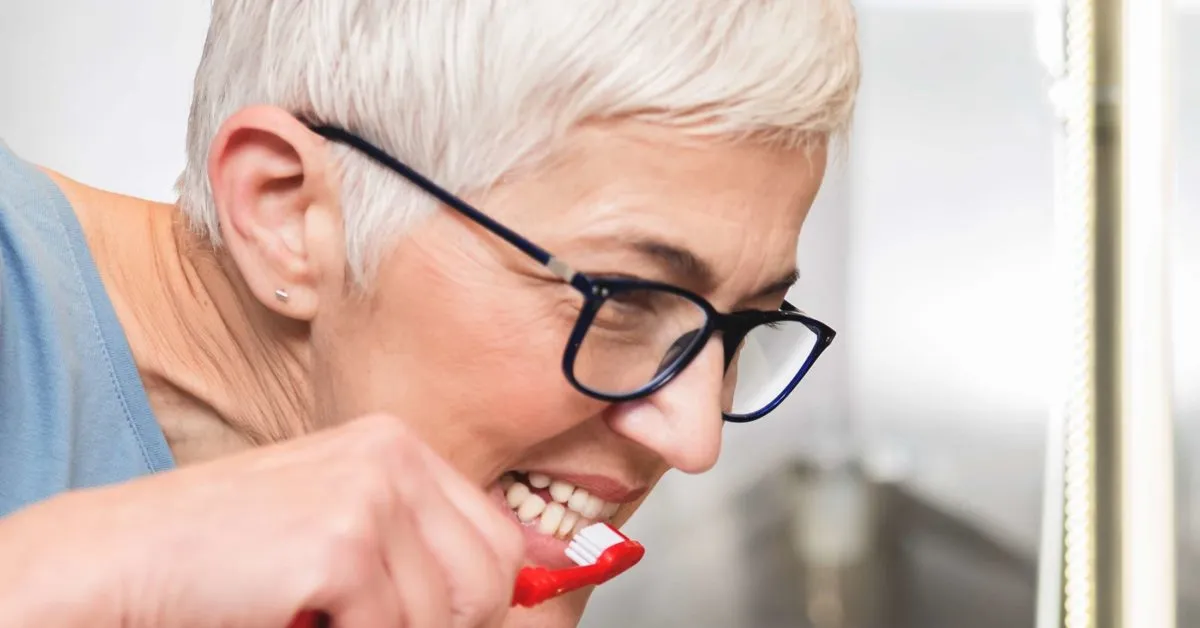
Whitening toothpaste containing hydrogen peroxide offers a convenient and readily accessible approach to teeth whitening. These toothpastes incorporate a low concentration of peroxide to help remove surface stains and brighten your teeth. The abrasive action of brushing also contributes to stain removal, working in tandem with the peroxide. Whitening toothpastes are a good option for daily use, as they require minimal extra effort, incorporating teeth whitening into your usual oral hygiene routine. They are easily available over the counter in most pharmacies and supermarkets. It is crucial to read the product labels carefully, as formulations can vary, and it is important to follow the instructions to ensure the product is used effectively and safely.
Materials Needed for Paste Method

- Whitening toothpaste containing hydrogen peroxide
- Soft-bristled toothbrush
- Mirror
- Water
Step-by-Step Paste Method Guide
- Apply a pea-sized amount of the toothpaste to your toothbrush.
- Brush your teeth thoroughly for two minutes, ensuring all surfaces are covered.
- Focus on areas with stains or discoloration.
- Rinse your mouth thoroughly with water.
- Use the toothpaste twice daily for best results.
Peroxide Whitening with a Rinse
Hydrogen peroxide mouthwashes are another method for DIY teeth whitening. These mouthwashes typically contain a lower concentration of hydrogen peroxide, often around 1.5%. Rinsing with hydrogen peroxide mouthwash can help remove surface stains and freshen your breath, offering a convenient way to supplement your oral hygiene routine. The mouthwash provides a wider coverage of the teeth surfaces compared to toothpaste. It works in a similar manner, breaking down stains and brightening teeth over time. The effectiveness of these mouthwashes depends on the frequency of use and the concentration of the peroxide. It is usually recommended to rinse for about 30 to 60 seconds. You must ensure you follow product instructions to minimize any risks.
Materials Needed for Rinse Method

- Hydrogen peroxide mouthwash (1.5% concentration)
- Measuring cup (if applicable)
- Mirror
Step-by-Step Rinse Method Guide
- Pour the recommended amount of mouthwash into the measuring cup.
- Rinse your mouth thoroughly for 30 to 60 seconds.
- Ensure the mouthwash covers all surfaces of your teeth.
- Spit out the mouthwash; do not swallow.
- Do not rinse your mouth with water immediately after use.
- Use the mouthwash once or twice daily, as directed.
Pros and Cons of DIY Peroxide Teeth Whitening
Advantages of DIY Whitening

- Cost-Effective: DIY methods are generally less expensive than professional treatments.
- Convenience: You can whiten your teeth at home, on your own schedule.
- Accessibility: Products like whitening toothpaste and mouthwash are widely available.
- Potential for Improvement: Can effectively remove surface stains and brighten teeth.
Disadvantages and Potential Risks
- Sensitivity: Teeth may become sensitive to hot or cold after treatment.
- Gum Irritation: Peroxide can irritate the gums, causing inflammation.
- Uneven Results: Whitening may not be uniform across all teeth.
- Limited Effectiveness: May not be effective for all types of stains or severe discoloration.
- Risk of Overuse: Overuse can damage tooth enamel.
Safety Precautions and Tips
Who Should Avoid DIY Peroxide Whitening

- Individuals with sensitive teeth or gums.
- People with dental restorations (fillings, crowns) as peroxide doesn’t whiten these.
- Those with untreated cavities or gum disease.
- Pregnant or breastfeeding women.
Managing Sensitivity and Side Effects
- Use a toothpaste designed for sensitive teeth.
- Reduce the frequency or duration of whitening treatments.
- Apply a fluoride gel to strengthen enamel.
- Consult a dentist if symptoms persist or worsen.
Alternatives to DIY Peroxide Teeth Whitening
Professional Teeth Whitening Options

Professional teeth whitening is performed by a dentist and often provides the most effective and safest results. These treatments use higher concentrations of hydrogen peroxide, which can produce significant whitening in a single session. Dentists can monitor your teeth and gums, and they have the expertise to address any potential side effects promptly. Professional whitening can address deeper stains and discoloration that DIY methods may not be able to. There are two common types of professional teeth whitening: in-office whitening and take-home whitening kits provided by your dentist. The in-office treatment is more expensive but offers faster results. Take-home kits are more similar to DIY methods but are supervised by a dental professional.
Over-the-Counter Whitening Products
Besides hydrogen peroxide-based products, you can explore other over-the-counter options like whitening strips, gels, and pens. Whitening strips are thin, flexible strips coated with a peroxide-based whitening agent that you apply directly to your teeth. Whitening gels are similar, but are usually applied using a brush. Whitening pens are great for on-the-go touch-ups, delivering a measured amount of whitening gel. These products are generally less potent than professional treatments but can provide noticeable improvements in tooth shade. Before choosing any over-the-counter whitening product, it’s essential to read the instructions carefully and understand any potential risks. Although over-the-counter products are generally safe, they may not be suitable for everyone.
Maintaining Your White Smile
After whitening your teeth, maintaining your results is crucial for long-lasting brightness. This involves good oral hygiene practices and some lifestyle adjustments. Brush your teeth twice a day with a whitening toothpaste or a toothpaste recommended by your dentist. Floss daily to remove plaque and food particles from between your teeth. Limit the consumption of stain-causing foods and beverages, such as coffee, tea, red wine, and dark berries. Regular dental check-ups and cleanings can help remove any surface stains and maintain your bright smile. Consider using a straw when drinking beverages that can stain your teeth. Avoiding smoking and tobacco products is one of the most important steps in keeping your teeth white. Following these tips helps ensure the longevity of your teeth whitening results and keeps your smile looking its best.