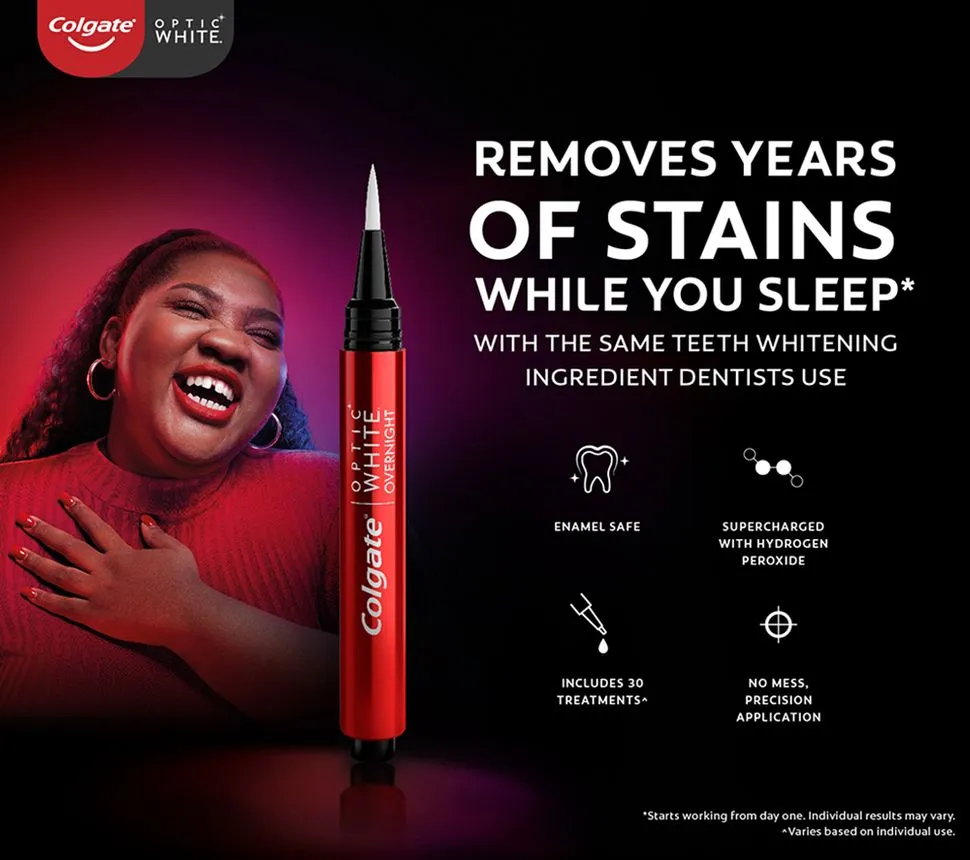
What is a Teeth Whitening Pen?
Teeth whitening pens are a popular and convenient method for brightening your smile. These pens are designed for easy, at-home use and are often marketed as a quick solution to stained or discolored teeth. The compact, portable design makes them ideal for travel and on-the-go touch-ups. However, before incorporating a teeth whitening pen into your oral hygiene routine, it’s important to understand what these pens are, how they work, and most importantly, how safe they are. Teeth whitening pens typically contain a whitening agent, such as hydrogen peroxide or carbamide peroxide, which helps to break down stains on the surface of your teeth. The application process usually involves twisting the pen to dispense the gel and then applying it directly to the teeth. While they offer convenience, it’s crucial to evaluate their safety and effectiveness to ensure they align with your oral health needs.
Ingredients in Teeth Whitening Pens
Understanding the ingredients in teeth whitening pens is essential for evaluating their safety and effectiveness. The primary active ingredients are typically hydrogen peroxide or carbamide peroxide, which are bleaching agents that help to remove stains from the teeth. The concentration of these ingredients can vary significantly between different products, with higher concentrations potentially leading to faster results but also increasing the risk of side effects. In addition to the active ingredients, teeth whitening pens also contain various other components that play different roles in the formulation. These can include flavoring agents to improve taste, thickening agents to control the gel’s consistency, and preservatives to maintain the product’s shelf life. It’s crucial to be aware of all the ingredients and their potential impact on your oral health.
Hydrogen Peroxide

Hydrogen peroxide is a common bleaching agent used in teeth whitening pens. It works by penetrating the enamel and breaking down the stain molecules that cause discoloration. The effectiveness of hydrogen peroxide depends on its concentration, with higher concentrations generally producing faster results. However, higher concentrations also increase the risk of side effects, such as tooth sensitivity and gum irritation. When used in teeth whitening products, hydrogen peroxide is carefully formulated to achieve a balance between effectiveness and safety. The concentration of hydrogen peroxide in teeth whitening pens can range from a few percent to over 10%, so it is important to follow the instructions and guidelines provided by the manufacturer and dentist to minimize potential risks.
Carbamide Peroxide
Carbamide peroxide is another common whitening agent found in teeth whitening pens. It is a compound that breaks down into hydrogen peroxide when it comes into contact with water. This means carbamide peroxide provides a slower release of the bleaching agent compared to directly using hydrogen peroxide. Carbamide peroxide is often used in higher concentrations than hydrogen peroxide because it releases its bleaching power gradually. This can lead to similar whitening results with potentially reduced sensitivity. The effectiveness and safety of carbamide peroxide also depend on its concentration and the duration of application. It’s crucial to follow the product instructions and consider consulting with a dental professional to determine if carbamide peroxide is the right choice for your specific needs and oral health condition.
Other Common Ingredients
In addition to the primary whitening agents, teeth whitening pens contain several other ingredients that contribute to the product’s overall performance and user experience. These can include flavoring agents, such as peppermint or spearmint, to improve taste and make the application more pleasant. Thickening agents, like cellulose gum or carbomer, are often used to control the gel’s consistency, ensuring it adheres to the teeth and doesn’t run or drip. Preservatives, such as sodium benzoate or potassium sorbate, are added to prevent the growth of bacteria and extend the product’s shelf life. Other ingredients may include water, glycerin, and various pH balancers to stabilize the formula and improve its overall effectiveness. Reading the full ingredient list and understanding the purpose of each component can help you make informed decisions about which products are right for you.
How Teeth Whitening Pens Work

Teeth whitening pens work through a chemical process designed to remove stains and brighten the appearance of your teeth. The active ingredient, typically hydrogen peroxide or carbamide peroxide, penetrates the enamel and breaks down the stain molecules that cause discoloration. The process involves applying the whitening gel directly to the surface of the teeth, where it reacts with the stain particles. As the bleaching agent comes into contact with the stains, it undergoes an oxidation reaction, breaking down the stain molecules into smaller, less visible components. The effectiveness of the process depends on several factors, including the concentration of the whitening agent, the duration of application, and the type of stains present. Consistent use, as directed by the product instructions, is typically required to achieve the desired results. It’s essential to note that teeth whitening pens are most effective on surface stains, such as those caused by coffee, tea, and tobacco, and may not be as effective on intrinsic stains or severe discoloration.
Safety Considerations for Using Teeth Whitening Pens
When using teeth whitening pens, several safety considerations should be taken into account to minimize potential risks and ensure the best possible outcome for your oral health. One of the most important factors is the concentration of the active whitening agent. Higher concentrations of hydrogen peroxide or carbamide peroxide can lead to faster results but also increase the likelihood of side effects, such as tooth sensitivity and gum irritation. It’s crucial to follow the product instructions carefully and avoid overuse. Another important consideration is the condition of your teeth and gums. Individuals with pre-existing dental issues, such as cavities, gum disease, or sensitive teeth, may experience increased discomfort or complications. It’s advisable to consult with a dentist before using a teeth whitening pen, especially if you have any underlying dental concerns. Additionally, it is essential to store the pen correctly, following the manufacturer’s instructions to maintain its effectiveness and prevent accidental exposure.
Potential Side Effects
While teeth whitening pens are generally safe when used as directed, potential side effects can occur. The most common side effects include tooth sensitivity and gum irritation. Tooth sensitivity may manifest as a sharp, temporary pain or discomfort when consuming hot or cold foods and beverages. This is often caused by the whitening agent penetrating the enamel and reaching the nerve endings in the teeth. Gum irritation can present as redness, swelling, or soreness of the gums, particularly if the whitening gel comes into contact with the soft tissues. In rare cases, overuse or misuse of teeth whitening pens can lead to more serious complications, such as enamel damage or chemical burns. Understanding these potential side effects and taking appropriate precautions, such as following the product instructions and consulting with a dentist, can help to mitigate risks and ensure a positive experience.
Sensitivity and Irritation

Tooth sensitivity and gum irritation are common side effects associated with teeth whitening pens. Tooth sensitivity often arises because the whitening agents, such as hydrogen peroxide or carbamide peroxide, can temporarily weaken the enamel, making the teeth more susceptible to temperature changes. This can cause a sharp, shooting pain when eating or drinking hot or cold items. Gum irritation, on the other hand, results from the whitening gel coming into contact with the sensitive gum tissue. This can cause redness, swelling, and soreness. To minimize these effects, it’s essential to follow the product instructions carefully and avoid overusing the pen. It’s also advisable to avoid consuming acidic foods and beverages, such as citrus fruits and sodas, immediately after applying the whitening gel, as these can exacerbate sensitivity. If you experience significant sensitivity or irritation, discontinue use and consult with your dentist.
Enamel Damage
Enamel damage is a potential, although less common, risk associated with the misuse or overuse of teeth whitening pens. The enamel is the hard, protective outer layer of the tooth, and excessive exposure to strong whitening agents can lead to erosion and weakening of the enamel. This can make the teeth more vulnerable to decay, sensitivity, and discoloration. The risk of enamel damage is significantly increased if the product is used more frequently or for a longer duration than recommended by the manufacturer. Using products with high concentrations of whitening agents can also contribute to enamel damage. To minimize the risk of enamel damage, it’s crucial to follow the instructions provided with the teeth whitening pen carefully, avoid overuse, and consult with a dentist if you have any concerns about the health of your enamel. A dentist can assess the condition of your teeth and provide personalized advice on safe and effective teeth whitening practices. Furthermore, regular dental check-ups are important for early detection of any enamel damage.
Are Teeth Whitening Pens Right for You?
Determining whether teeth whitening pens are the right choice for you depends on various factors, including your oral health, the type and severity of tooth discoloration, and your personal preferences. If you have relatively minor surface stains, such as those caused by coffee, tea, or tobacco, teeth whitening pens may be an effective and convenient solution. However, they may not be as effective for more severe discoloration or intrinsic stains, which originate from within the tooth structure. Before deciding to use a teeth whitening pen, it’s important to consider any pre-existing dental issues, such as cavities, gum disease, or tooth sensitivity. These conditions may be exacerbated by the whitening process, so it’s crucial to consult with a dentist to ensure that teeth whitening is safe for your specific situation. Additionally, your lifestyle habits, such as your diet and smoking habits, can also influence the effectiveness and longevity of the results.
Consulting with a Dentist

Consulting with a dentist before using a teeth whitening pen is highly recommended, as they can provide personalized advice and guidance based on your individual oral health needs. A dentist can assess the condition of your teeth and gums, identify any existing dental problems, and determine whether teeth whitening is safe and appropriate for you. They can also provide recommendations on the most effective whitening products and techniques, ensuring you achieve the desired results while minimizing potential risks. During a consultation, your dentist can discuss the ingredients in teeth whitening pens, the potential side effects, and the proper application techniques. They can also offer alternatives to teeth whitening pens, such as professional in-office whitening treatments or custom-fitted whitening trays, which may be more effective or safer for certain individuals. Regular dental check-ups are essential not just for teeth whitening but for maintaining overall oral health. Your dentist can monitor your progress and address any concerns.
Alternatives to Teeth Whitening Pens
While teeth whitening pens offer a convenient way to brighten your smile, several alternatives are available, each with its own set of advantages and considerations. One popular alternative is professional teeth whitening, performed by a dentist. This typically involves the application of a stronger bleaching agent in a controlled environment, resulting in faster and more dramatic results. Another option is custom-fitted whitening trays, which are also prescribed and provided by a dentist. These trays are designed to fit your teeth perfectly and are used with a whitening gel, offering a more customized and effective approach compared to over-the-counter products. Over-the-counter whitening strips are also an option, providing a more targeted application of the whitening agent. In addition to these professional and over-the-counter methods, some lifestyle changes can also contribute to a brighter smile. Reducing your intake of staining foods and beverages, practicing good oral hygiene, and quitting smoking can all help to maintain the natural whiteness of your teeth. Always discuss alternatives with your dentist to find the best solution for your needs.