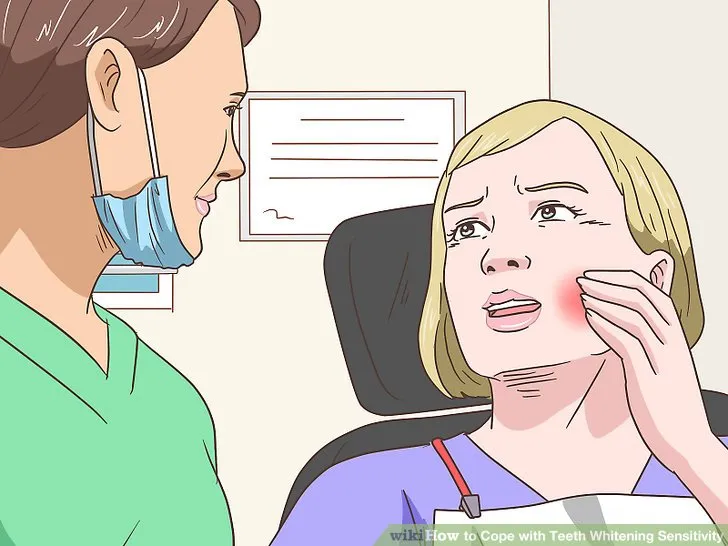
Understanding Teeth Whitening Sensitivity
Teeth whitening is a popular cosmetic procedure that can significantly enhance your smile, but it can also lead to temporary teeth sensitivity. This sensitivity, which can range from mild discomfort to sharp, shooting pains, is a common side effect of the whitening process. Understanding the causes of this sensitivity and how to manage it is essential for anyone considering or undergoing teeth whitening. This article will provide a comprehensive guide on how to relieve teeth sensitivity from whitening, allowing you to achieve a brighter smile without unnecessary discomfort. We’ll explore the underlying mechanisms, immediate relief strategies, dietary adjustments, and long-term prevention methods to ensure your teeth whitening experience is as pleasant as possible.
What Causes Sensitivity After Whitening
The primary reason for teeth sensitivity after whitening is the bleaching agent used in the process. These agents, typically hydrogen peroxide or carbamide peroxide, penetrate the enamel to break down stain molecules. While effective, this process can also affect the dentin, which is the layer beneath the enamel that contains the tooth’s nerves. This makes the teeth more susceptible to external stimuli like temperature changes and pressure.
The Role of Peroxide

Hydrogen peroxide and carbamide peroxide are the active ingredients in most teeth whitening products. They work by releasing oxygen molecules that react with the stain molecules within the tooth. However, these molecules can also pass through the enamel and dentin, irritating the nerve endings inside the teeth. The higher the concentration of peroxide and the longer it is in contact with the teeth, the greater the potential for sensitivity.
Enamel Erosion and Sensitivity
While teeth whitening does not typically erode enamel, it can temporarily make it more porous. This increased porosity allows the bleaching agents to reach the dentin more easily, amplifying sensitivity. Individuals with naturally thin enamel or those who have experienced enamel erosion due to other factors, such as acid erosion from dietary choices or brushing too hard, may be more prone to sensitivity during and after teeth whitening.
Identifying Your Sensitivity Level
Sensitivity levels vary significantly from person to person. It’s important to understand your own sensitivity level to manage discomfort effectively. Recognizing the different levels can help you choose the most appropriate relief strategies and seek professional help when needed.
Mild Sensitivity

Mild sensitivity is characterized by a slight twinge or discomfort when exposed to cold or hot temperatures. This level of sensitivity is common and usually subsides within a few days of finishing the whitening treatment. Simple home remedies, such as using desensitizing toothpaste, are often sufficient to provide relief.
Moderate Sensitivity
Moderate sensitivity involves more noticeable discomfort, which may include sharp, shooting pains that last for a few seconds. This level of sensitivity can interfere with daily activities such as eating or drinking cold beverages. In this case, additional measures like fluoride treatments or dietary adjustments may be necessary to alleviate the pain.
Severe Sensitivity
Severe sensitivity is the most intense form of discomfort, where even room-temperature foods and drinks can trigger significant pain. The pain may persist for extended periods and significantly impact your quality of life. If you experience severe sensitivity, it’s important to consult with your dentist to rule out any underlying dental issues and get professional treatment.
Immediate Relief Strategies

If you are experiencing teeth whitening sensitivity, there are several methods you can use to get immediate relief. These strategies focus on soothing the nerves and reducing the teeth’s sensitivity to external stimuli. Combining these strategies can significantly improve your comfort level.
Using Desensitizing Toothpaste
Desensitizing toothpastes are specifically formulated to block the pathways to the nerves within the teeth. They contain ingredients such as potassium nitrate or strontium chloride, which help reduce sensitivity by creating a protective layer over the exposed dentin. Using desensitizing toothpaste regularly, even before you begin the whitening process, can help minimize sensitivity.
How Desensitizing Toothpaste Works
Potassium nitrate works by blocking the transmission of pain signals from the tooth’s nerves to the brain. Strontium chloride, on the other hand, works by blocking the small tubules in the dentin, thus preventing the irritating stimuli from reaching the nerves. Using desensitizing toothpaste twice a day, for a few weeks before and during whitening, can help to build up these protective mechanisms, thus reducing sensitivity.
Choosing the Right Toothpaste

When choosing a desensitizing toothpaste, look for brands that contain potassium nitrate or strontium chloride. Some toothpastes also include fluoride, which can strengthen the enamel. Be sure to check with your dentist for their recommendation. Consider a toothpaste specifically designed for sensitive teeth.
Fluoride Treatments
Fluoride treatments help strengthen tooth enamel, making it less susceptible to sensitivity. Fluoride also helps to remineralize the enamel, which can reduce the porosity caused by the whitening process. You can get fluoride treatments both professionally and over-the-counter.
Professional Fluoride Applications
A dentist can apply a professional-strength fluoride treatment, which can offer immediate relief. These treatments typically involve applying a fluoride varnish or gel to the teeth. The dentist may recommend multiple treatments, depending on the severity of your sensitivity.
Over-the-Counter Fluoride Products

Over-the-counter fluoride products, such as fluoride mouthwashes and toothpastes, can provide additional fluoride to help strengthen the enamel. Using these products alongside desensitizing toothpaste can provide a comprehensive approach to managing sensitivity. Always follow the instructions on the packaging, and if you are unsure, consult with your dentist.
Dietary Adjustments for Relief
The food and drinks you consume can significantly impact your teeth sensitivity. Making dietary adjustments during and immediately after teeth whitening can help minimize discomfort and allow the teeth to recover. Being mindful of what you eat and drink is crucial for managing sensitivity.
Avoiding Trigger Foods and Drinks
Certain foods and drinks can exacerbate teeth sensitivity, while others may be perfectly fine. It is useful to have an awareness of those that can bring more pain and to make informed decisions. As a general rule, avoid things that are extremely hot or cold, sweet, or acidic.
Foods to Avoid Immediately After Whitening

After teeth whitening, avoid highly acidic foods such as citrus fruits and tomatoes. Also, steer clear of sugary treats, such as candies and soft drinks. These foods can erode enamel, and make your teeth more sensitive. Stick to a bland diet with soft foods like plain pasta, yogurt, and soups.
Beverages to Avoid After Whitening
The best beverage choices are water, milk, and herbal teas. Stay away from beverages like coffee, tea, and carbonated drinks. These beverages can also stain your teeth and exacerbate sensitivity. It’s also important to avoid alcoholic beverages.
Using a Straw
Using a straw when drinking can help minimize contact between the liquid and your teeth. This is particularly helpful for cold drinks, which can trigger sensitivity. A straw can also help with avoiding acidic drinks, keeping them away from your teeth.
Long-Term Solutions and Prevention
Preventing teeth sensitivity and maintaining good oral health are essential for long-term comfort and a bright smile. Incorporating good habits into your daily routine can help you prevent sensitivity issues. You should consider maintaining a good oral hygiene routine and consulting your dentist regularly.
Maintaining Good Oral Hygiene
Good oral hygiene is the foundation of healthy teeth and gums. Proper brushing and flossing can remove plaque and bacteria that contribute to sensitivity. Consistent cleaning also keeps your teeth and mouth in great condition.
Gentle Brushing Techniques
Use a soft-bristled toothbrush and brush gently in circular motions. Avoid aggressive scrubbing, which can damage enamel and make your teeth more sensitive. Make sure to brush your teeth for two minutes, twice a day. Replace your toothbrush every three months, or sooner, if the bristles are frayed.
Regular Dental Check-ups
Regular dental check-ups and professional cleanings are crucial for maintaining oral health and preventing sensitivity. During these visits, the dentist can identify any underlying issues that may contribute to sensitivity, such as cavities or gum disease. Your dentist can also provide fluoride treatments and other preventive measures to protect your teeth.
Discussing Whitening Options with Your Dentist
Before undergoing teeth whitening, it is essential to discuss your oral health and any existing sensitivity with your dentist. They can assess your teeth and gums to determine if teeth whitening is right for you. Also, they can suggest whitening options that are gentler on your teeth, such as lower concentrations of peroxide or custom-made trays for better control. Your dentist can also make sure you have the right treatments to minimize any sensitivity issues.
In conclusion, teeth whitening sensitivity is a common but manageable side effect. By understanding the causes, recognizing your sensitivity level, and implementing the strategies outlined above, you can achieve a brighter smile without significant discomfort. Prioritize preventative measures and consult your dentist for personalized advice. With proper care, you can enjoy the benefits of teeth whitening while maintaining healthy, pain-free teeth.