
Understanding Teeth Whitening Strips
Teeth whitening strips have become a popular method for achieving a brighter smile from the comfort of your home. These strips typically contain a concentration of hydrogen peroxide or similar bleaching agents designed to remove stains and discoloration from the enamel of your teeth. The convenience and relatively low cost of whitening strips make them an appealing option for many. However, it’s crucial to understand how these strips work and the proper aftercare to maximize their effectiveness and minimize potential side effects. Using these strips is an investment in your smile, so following the instructions carefully is very important.
How Whitening Strips Work
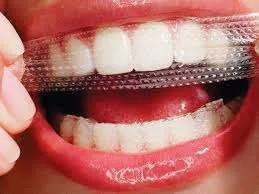
Whitening strips work by delivering a bleaching agent directly to the surface of your teeth. The active ingredient, usually hydrogen peroxide, penetrates the enamel and breaks down the stain molecules that cause discoloration. This process effectively lightens the shade of your teeth. The strips are designed to adhere closely to the teeth, ensuring the bleaching agent stays in contact with the enamel for the recommended amount of time. The effectiveness of the strips depends on several factors, including the concentration of the bleaching agent, the duration of application, and the type of stains present. Regular use, according to the product instructions, is key to achieving the desired results.
Potential Side Effects of Whitening Strips

While whitening strips are generally safe, they can cause some side effects. The most common is tooth sensitivity, which can range from mild to moderate and usually subsides after the treatment is completed. Some people may also experience gum irritation, characterized by redness or soreness along the gumline. This is often caused by the bleaching agent coming into contact with the gums. To minimize these effects, it’s essential to follow the product instructions carefully and avoid overusing the strips. If sensitivity or irritation persists, consider taking a break from the treatments or consulting with your dentist.
Top 5 Aftercare Tips for Whitening Strips
After using teeth whitening strips, proper aftercare is essential to protect your newly whitened teeth and maintain your results. Here are five key tips to ensure you get the most out of your whitening treatment.
Wait Before Brushing Your Teeth
One of the most important aftercare tips is to wait before brushing your teeth. The timing of when you brush your teeth after using whitening strips can greatly impact the results and the health of your teeth. Brushing too soon can interfere with the whitening process and potentially cause sensitivity. It is important to provide the right amount of time to your teeth to absorb the treatment, and also to ensure that the enamel is not compromised.
Why You Should Wait to Brush

Immediately after using whitening strips, your teeth’s enamel is more porous and susceptible to damage. Brushing your teeth right away can potentially scrub away some of the bleaching agent before it has fully worked, reducing the effectiveness of the treatment. Additionally, toothpaste can be abrasive, which can irritate your teeth at this sensitive time, leading to increased sensitivity. Waiting allows the whitening agent to fully penetrate the enamel and do its work without interference.
The Ideal Waiting Time
The ideal waiting time before brushing your teeth after using whitening strips is typically around 30 minutes to an hour. This gives your teeth time to settle and allows the whitening agent to continue working. It also helps reduce the risk of sensitivity. Always refer to the specific instructions provided with your whitening strips, as the recommended waiting time may vary slightly depending on the product. Following these guidelines is crucial for the best results.
Rinse Your Mouth Gently
After removing the whitening strips, it is recommended to rinse your mouth gently with water. This helps remove any residual bleaching agent from your teeth and gums. Avoid aggressive rinsing, which could potentially irritate your gums. A gentle rinse with lukewarm water is sufficient. This simple step is important for removing excess chemicals and preventing any unwanted side effects, such as gum irritation.
Avoid Staining Foods and Drinks

During and immediately after your whitening treatment, it is very important to avoid foods and drinks that can stain your teeth. Your enamel is more porous after treatment, making it easier for stains to penetrate. This means avoiding dark-colored drinks, such as coffee, tea, and red wine, as well as foods like berries, sauces, and other items that can stain. Staining foods and drinks can significantly impact the longevity of your results, and can also affect the effectiveness of the whitening treatment. Maintaining your diet to prevent the staining is vital to a brighter smile.
Foods and Drinks to Avoid
Common culprits for staining include coffee, tea, red wine, dark sodas, and fruit juices, especially those made from berries. Also, be cautious of deeply colored sauces, such as soy sauce or tomato-based sauces, and highly pigmented fruits like blueberries and blackberries. If you consume any of these items, rinse your mouth immediately with water afterward to reduce the risk of staining. Being conscious of your diet can make a big difference.
Recommended Alternatives
While avoiding staining foods and drinks, you can still enjoy a varied diet. Consider drinking clear beverages such as water, milk, or clear soda. Opt for lighter-colored foods like white rice, chicken, and pasta. Eating foods with a neutral color can help maintain your results. A balanced diet that includes plenty of water and avoiding known staining agents is key.
Use a Soft-Bristled Toothbrush
When you do brush your teeth, use a soft-bristled toothbrush. This is because the enamel of your teeth can be temporarily more sensitive after the whitening treatment. A soft-bristled toothbrush will gently clean your teeth without causing any unnecessary abrasion or irritation. Avoid using a toothbrush with hard bristles, as this can be too harsh. Gentle brushing is important to reduce the risk of any damage to your teeth during the treatment.
Hydrate with Water
Drinking plenty of water after using whitening strips is highly beneficial for your oral health. Water helps to flush out any remaining bleaching agent and keeps your mouth hydrated. Hydration also helps with saliva production, which naturally cleanses your teeth and helps remineralize the enamel. Drinking water helps prevent dry mouth, which can increase the risk of tooth decay. Consuming water after a whitening treatment is a great way to maintain a healthy mouth.
Maintain Your Results
To maintain the results of your teeth whitening treatment, it is important to establish good oral hygiene habits. Regular dental care is the key to having a bright and healthy smile. Here are some essential practices to help you keep your teeth looking their best after whitening.
Regular Dental Check-ups

Schedule regular dental check-ups and cleanings to maintain your results. Your dentist can professionally clean your teeth, remove any plaque or tartar buildup, and monitor the overall health of your teeth and gums. They can also offer advice on other whitening options or treatments to help maintain your bright smile. Regular check-ups are vital for preventive care.
Proper Oral Hygiene
Maintaining a good oral hygiene routine is essential for long-lasting results. This includes brushing your teeth twice a day for two minutes each time, using fluoride toothpaste, and flossing daily to remove plaque and food particles from between your teeth. Consider using mouthwash to further reduce bacteria and freshen your breath. Consistent oral hygiene practices not only preserve your whitening results but also promote overall oral health. A good routine combined with a healthy diet will keep your teeth healthy.
In conclusion, aftercare is very important when using teeth whitening strips. By following these five aftercare tips – waiting to brush, rinsing gently, avoiding staining foods, using a soft toothbrush, and staying hydrated – you can maximize your results and protect your smile. Combined with regular dental check-ups and consistent oral hygiene, you can keep your teeth looking their best for a long time. Taking care of your teeth is a continuous investment in your health, and proper aftercare will support your efforts.