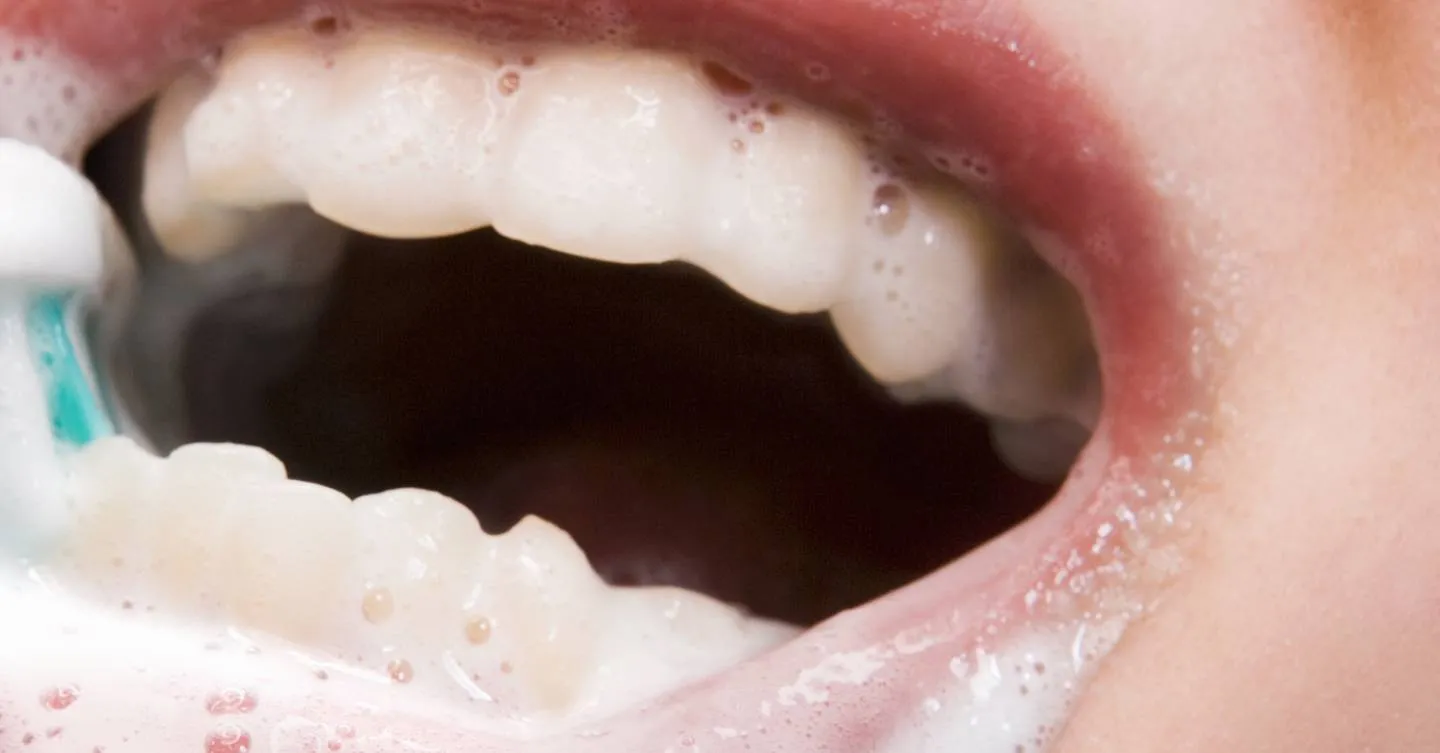
What is Baking Soda and Coconut Oil Teeth Whitening
Baking soda and coconut oil teeth whitening is a popular, natural method for enhancing the brightness of your smile. It involves mixing these two readily available ingredients to create a paste that is then applied to the teeth. This DIY approach has gained significant traction as an alternative to commercial whitening products, primarily due to its accessibility, affordability, and the perceived lack of harsh chemicals. The core concept is straightforward baking soda acts as a mild abrasive to scrub away surface stains, while coconut oil provides antibacterial benefits and helps in the process of cleaning. This combination provides a dual approach to teeth whitening, addressing both stain removal and oral hygiene.
Benefits of Baking Soda and Coconut Oil for Teeth
The benefits extend beyond just aesthetic improvements; the combined properties of baking soda and coconut oil offer a holistic approach to oral health. The primary benefit is the potential for teeth whitening, with users often reporting a noticeable brightening of their smile after consistent use. Baking soda gently removes surface stains caused by coffee, tea, and other staining agents. Coconut oil adds antibacterial and anti-inflammatory properties. It helps to reduce plaque buildup and promote healthier gums, leading to overall improved oral health. Coconut oil also contributes to fresher breath due to its ability to neutralize bacteria that cause bad breath. Moreover, this method is generally cost-effective and free from the chemicals found in many commercial whitening products, making it an attractive choice for those seeking natural alternatives.
Baking Soda’s Teeth Whitening Properties

Baking soda, also known as sodium bicarbonate, acts as a mild abrasive. Its primary function in teeth whitening is to gently scrub away surface stains on the enamel. These stains are typically caused by the consumption of staining foods and beverages, such as coffee, tea, red wine, and certain fruits. The fine granules of baking soda help to lift these stains without causing significant damage to the enamel. This abrasive action is what contributes to the immediate brightening effect that many users experience. It’s crucial, however, to use baking soda in moderation, as excessive abrasion can wear down the enamel over time, leading to increased sensitivity and potential damage to the teeth. Proper technique and frequency of use are essential to maximize the benefits while minimizing any risks.
Coconut Oil’s Role in Oral Health
Coconut oil plays a significant role in oral health, primarily due to its high content of lauric acid. This fatty acid has potent antibacterial and anti-inflammatory properties, which are crucial for maintaining a healthy mouth. Coconut oil can help to reduce the buildup of plaque, a sticky film that harbors bacteria and leads to cavities and gum disease. It can also help in reducing the inflammation that can occur in the gums. The process of oil pulling, where coconut oil is swished around in the mouth, further contributes to oral hygiene. Coconut oil’s properties can also help to freshen breath, making it a comprehensive addition to any oral health regimen. Its natural composition makes it an appealing choice for those looking for a gentle and effective way to support their oral health.
How to Prepare Baking Soda and Coconut Oil for Whitening
Preparing the mixture is a straightforward process. The standard ratio is typically two parts baking soda to one part coconut oil. Start by measuring the desired amount of baking soda and coconut oil into a small, clean container. The amount will depend on how much you plan to use at a time, but a teaspoon of baking soda with half a teaspoon of coconut oil is usually sufficient for one application. Coconut oil is typically solid at room temperature, so it may need to be gently warmed to a liquid or semi-liquid state. This can be done by placing the container in a bowl of warm water for a few minutes. Once the coconut oil is in a workable state, mix it thoroughly with the baking soda until a smooth paste is formed. The consistency should be thick enough to stay on your toothbrush but not so thick that it’s difficult to apply. The mixture is now ready for use.
Step-by-Step Guide to Making the Whitening Paste

To prepare the whitening paste, begin by measuring the baking soda and coconut oil. Typically, use two teaspoons of baking soda to one teaspoon of coconut oil, but adjust the ratio to your preference. Place the coconut oil in a small bowl. If it is solid, gently warm it to a liquid or semi-liquid state by placing the bowl in warm water. Add the baking soda to the bowl with the coconut oil. Mix the ingredients thoroughly using a small spoon or a spatula. Continue mixing until a smooth paste is formed, making sure there are no lumps of baking soda. The paste should be thick enough to stick to your toothbrush but not too thick to apply easily. Once you achieve the desired consistency, the whitening paste is ready for use. You can store any unused paste in an airtight container at room temperature for future applications.
Application Techniques for Optimal Results
For optimal results, use the paste as you would your regular toothpaste. Start by applying a small amount of the mixture to your toothbrush. Brush your teeth gently, using small, circular motions. Focus on each tooth surface, ensuring that you cover all areas, including the front, back, and chewing surfaces. Avoid applying excessive pressure, as this can lead to enamel erosion and gum irritation. Brush for approximately two minutes. After brushing, rinse your mouth thoroughly with water. You may follow up with your regular toothpaste, if desired. Consistent and gentle brushing is key to achieving the desired whitening effect, as well as maintaining good oral hygiene practices. It’s essential to observe any sensitivity and adjust the frequency of use accordingly.
Frequency and Duration of Use
The frequency of use should be approached with caution. While baking soda and coconut oil can be effective for teeth whitening, overusing the paste can lead to enamel erosion and increased tooth sensitivity. It is generally recommended to use the paste no more than once or twice a week. For those with sensitive teeth, starting with even less frequent use, such as once every two weeks, is advisable. The duration of each brushing session should be similar to your regular brushing routine, approximately two minutes. It’s important to monitor your teeth for any signs of sensitivity or damage, and adjust the frequency or discontinue use if necessary. Combining this with regular brushing with fluoride toothpaste can help maintain oral health.
Safety Precautions and Potential Side Effects

While baking soda and coconut oil are considered safe for many, there are potential side effects and precautions to consider. The abrasive nature of baking soda can wear down tooth enamel over time if used too frequently or with excessive pressure. This can lead to increased tooth sensitivity and an increased risk of cavities. Some individuals may also experience gum irritation or inflammation, especially if they have pre-existing gum issues. If you have sensitive teeth, it’s particularly important to use the mixture sparingly and monitor your teeth for any signs of discomfort. Those with dental work, such as fillings or veneers, should consult with their dentist before using this method, as it may affect the appearance or integrity of the work. Always discontinue use if you experience any adverse reactions and consult with a dentist.
Alternatives and Considerations
If baking soda and coconut oil teeth whitening isn’t right for you, there are several other methods to consider. Over-the-counter whitening products, such as whitening strips and toothpastes, are readily available and offer varying degrees of effectiveness. Professional teeth whitening treatments, performed by a dentist, provide the most significant results, as they use stronger bleaching agents. For those seeking a more natural approach, other options include activated charcoal, though its effectiveness is debated, and the use of hydrogen peroxide, which also requires careful application. Always research and consider the potential risks and benefits before using any teeth whitening method. Consulting with a dentist is recommended to discuss your specific needs and any potential concerns, ensuring a safe and effective approach to teeth whitening.
Other Teeth Whitening Methods
Beyond baking soda and coconut oil, several other teeth whitening methods are available. Over-the-counter options include whitening strips, which are easy to use and typically contain a peroxide-based bleaching agent. Whitening toothpastes are another convenient choice, utilizing mild abrasives and sometimes peroxide to remove surface stains. For more significant results, professional teeth whitening is an effective method. Dentists can perform in-office bleaching treatments using stronger concentrations of hydrogen peroxide, or they can provide custom-fitted trays for at-home use with prescription-strength whitening gel. Other natural alternatives, such as activated charcoal, are also popular, although their effectiveness and safety are subjects of ongoing debate. Each method has different advantages and disadvantages, and it is essential to choose the one that best suits your needs and oral health. Consult with a dentist before starting any new teeth whitening regimen.
Consulting a Dentist

Before starting any teeth whitening regimen, especially if using DIY methods like baking soda and coconut oil, consulting with a dentist is highly recommended. A dentist can assess your oral health, identify any underlying issues, such as cavities or gum disease, and determine if teeth whitening is appropriate for you. They can provide professional advice on the best whitening methods for your specific needs and help you avoid potential risks. A dentist can also offer professional teeth whitening treatments that are more effective and safer than over-the-counter options. Regular dental check-ups and cleanings are crucial for maintaining oral health and maximizing the benefits of any whitening efforts. They can also provide personalized advice on oral hygiene and any special precautions needed to achieve a brighter smile.
Maintaining Results and Oral Hygiene
Once you achieve your desired level of teeth whitening, maintaining the results requires a comprehensive approach that combines good oral hygiene practices and lifestyle choices. Continue brushing your teeth twice daily with fluoride toothpaste to remove plaque and food particles. Flossing daily is crucial to remove debris from between your teeth and prevent gum disease. Regular dental check-ups and cleanings are also essential for maintaining oral health and addressing any potential issues. In addition to these practices, avoid or limit the consumption of staining foods and beverages, such as coffee, tea, red wine, and dark-colored berries. If you do consume these items, rinse your mouth with water immediately afterward to minimize staining. Consider using a straw for beverages to reduce direct contact with your teeth. A commitment to these practices will help you preserve your bright, white smile for the long term.