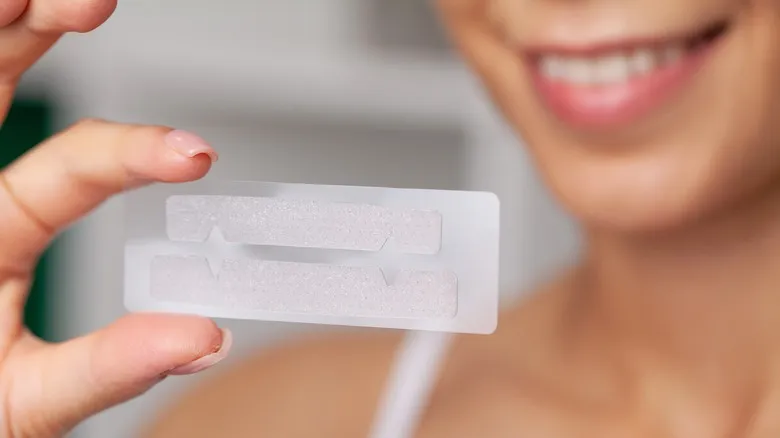
What is Hydrogen Peroxide and Teeth Whitening
Hydrogen peroxide (H2O2) is a chemical compound, a clear liquid, that is a mild antiseptic and can be used for various purposes, including teeth whitening. The teeth whitening process with hydrogen peroxide involves the oxidation of stains on the teeth. This oxidation breaks down the stain molecules, making them less visible and resulting in a brighter smile. It’s a popular method for those looking to improve the appearance of their teeth at home. Hydrogen peroxide is a common ingredient in many over-the-counter teeth whitening products, offering a convenient and accessible option for many individuals. However, it is important to understand how hydrogen peroxide works and the potential risks involved.
How Hydrogen Peroxide Whitens Teeth
Hydrogen peroxide whitens teeth through an oxidation process. The active ingredient, hydrogen peroxide, penetrates the enamel and dentin of the teeth. Once inside, it reacts with the stain molecules, breaking them down into smaller, less visible compounds. This process is effective against both intrinsic stains (those within the tooth structure) and extrinsic stains (those on the tooth surface). The effectiveness of hydrogen peroxide depends on its concentration and the duration of application. Higher concentrations generally produce faster results, but they also increase the risk of side effects. The overall result is a lighter and brighter appearance of the teeth, giving you a more confident smile. Remember to consult with a dentist to make sure teeth whitening is appropriate for you.
Concentration of Hydrogen Peroxide

The concentration of hydrogen peroxide is a critical factor in its effectiveness and safety for teeth whitening. Over-the-counter products typically contain hydrogen peroxide concentrations ranging from 3% to 10%. Higher concentrations, sometimes used in professional treatments, can reach up to 40%. It is important to note that higher concentrations can lead to increased tooth sensitivity and gum irritation. Therefore, it’s important to follow the product’s instructions carefully and consult a dentist before using a higher concentration. When considering hydrogen peroxide for teeth whitening, understanding the concentration is important to achieve the desired results. Always start with lower concentrations to minimize the risk of adverse effects. Always consult with a dentist for advice on a specific treatment.
The Role of Hydrogen Peroxide in Whitening Tooth
Hydrogen peroxide plays a central role in the chemical process of whitening teeth. It acts as the primary bleaching agent, reacting with stain molecules within the tooth enamel. This chemical reaction breaks down these stain molecules, removing discoloration and improving the overall appearance of the teeth. The effectiveness of hydrogen peroxide depends on the concentration of peroxide, the duration of exposure, and the specific formulation of the product. The higher the concentration and the longer the exposure time, the greater the potential for whitening, but also the greater the risk of side effects such as tooth sensitivity and gum irritation. Always follow product instructions, and consider consulting a dentist to find out more about peroxide and tooth whitening.
Hydrogen Peroxide for Teeth Whitening How To
Using hydrogen peroxide for teeth whitening at home requires careful preparation and adherence to safety guidelines. Start by choosing a product with an appropriate concentration, typically between 3% and 10%. Always read and follow the product’s instructions carefully. Before starting any treatment, it is always a good idea to consult with your dentist. The methods discussed below can vary in their effectiveness and safety. Remember to always prioritize your dental health, and consult a dentist for professional guidance. The following steps provide a general overview of how to whiten teeth with hydrogen peroxide at home. Proper preparation and application will improve results, but consider potential risks and side effects.
Preparation of Peroxide for teeth whitening
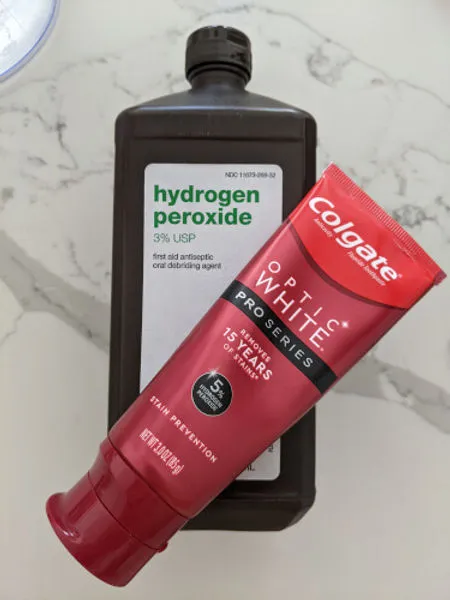
Before using hydrogen peroxide for teeth whitening, proper preparation is essential. Start by selecting a hydrogen peroxide solution with a concentration suitable for home use, usually between 3% and 10%. Ensure the product is fresh and has not expired. Gather all the necessary materials, including a toothbrush, mouth tray (if using), and a timer. Before beginning the whitening process, brush your teeth thoroughly to remove any food particles or debris. This initial cleaning ensures the hydrogen peroxide can effectively reach the tooth surface. Always consult with a dentist before starting this process. Proper preparation will maximize the effectiveness of the treatment and minimize potential risks. It is essential to follow all safety guidelines and product instructions to ensure a safe and effective teeth whitening experience.
Application Methods of Hydrogen Peroxide on Teeth
Several methods can be used to apply hydrogen peroxide for teeth whitening. Each method offers different levels of convenience, effectiveness, and potential risks. It’s important to choose a method that aligns with your personal preferences and oral health needs, and always consult a dentist for advice. Understanding the different application techniques will help you make an informed decision and achieve the best possible results. Some common methods include using a mouth tray, brushing with hydrogen peroxide, and rinsing with hydrogen peroxide. The next sections will explain each method.
Using a Mouth Tray
Using a mouth tray is a popular method for applying hydrogen peroxide for teeth whitening. Custom or pre-made mouth trays hold the whitening solution in close contact with your teeth. To use this method, first, apply the hydrogen peroxide solution to the tray. Then, carefully insert the tray into your mouth, ensuring the solution covers your teeth. Wear the tray for the amount of time recommended by the product instructions, typically between 30 minutes and an hour. After use, remove the tray and rinse your mouth thoroughly with water. Regular use can provide noticeable whitening results, but it’s important to follow all safety guidelines. Using a mouth tray can enhance the effectiveness of teeth whitening, but it can also increase the risk of side effects if not used properly. Always consult your dentist for advice.
Brushing with Hydrogen Peroxide

Brushing with hydrogen peroxide is a straightforward teeth whitening method that can be easily integrated into your daily routine. This involves mixing a small amount of hydrogen peroxide with your toothpaste or using hydrogen peroxide directly on your toothbrush. Brush your teeth gently for a few minutes, making sure to cover all surfaces of your teeth. After brushing, rinse your mouth thoroughly with water. While this method can be convenient, it is important to be cautious, as excessive use can lead to tooth sensitivity and gum irritation. It is advisable to consult your dentist before beginning this method to avoid potential side effects. The effectiveness of this method can vary, and it’s generally recommended for mild whitening purposes. It is important to follow product instructions and brush gently to avoid harming the teeth and gums.
Rinsing with Hydrogen Peroxide
Rinsing with hydrogen peroxide is another method for teeth whitening. This involves using a diluted hydrogen peroxide solution as a mouthwash. Typically, you would swish the solution in your mouth for about 30-60 seconds, ensuring it reaches all areas of your teeth. After rinsing, spit out the solution and rinse your mouth with water. It’s important to use a diluted solution to minimize the risk of irritation. While rinsing with hydrogen peroxide can help with whitening, it’s generally less effective than other methods. Rinsing with hydrogen peroxide can provide a gentle, overall whitening effect. It is always recommended to consult with a dentist to determine the best approach to ensure the safety and effectiveness of this method.
Safety Precautions and Side Effects
When using hydrogen peroxide for teeth whitening, it is important to be aware of potential side effects and take the necessary precautions. While hydrogen peroxide is generally considered safe when used as directed, there are risks to be mindful of. Overuse or improper application can lead to several adverse effects. Always follow product instructions carefully and consult with your dentist before starting any teeth whitening treatment. Understanding the potential risks and taking appropriate safety measures can help you achieve a brighter smile while minimizing potential harm to your oral health. The following are some important safety considerations.
Sensitivity and Irritation of Teeth

Tooth sensitivity is a common side effect of hydrogen peroxide teeth whitening. Many users experience increased sensitivity to hot or cold temperatures. This is because hydrogen peroxide can penetrate the enamel and reach the nerves in the teeth. The extent of the sensitivity varies depending on the concentration of hydrogen peroxide, the duration of use, and individual tooth sensitivity. If you experience sensitivity, it’s advisable to reduce the frequency of treatment or use a toothpaste designed for sensitive teeth. In addition, consult with your dentist. Sensitivity is usually temporary, but it can be uncomfortable. Always follow the product instructions carefully to minimize the risk of sensitivity and to ensure your dental health.
Gum Irritation from Peroxide
Gum irritation is another potential side effect of hydrogen peroxide teeth whitening. The strong oxidizing properties of hydrogen peroxide can irritate the soft tissues of the gums, causing redness, swelling, and tenderness. This often happens when the hydrogen peroxide solution comes into direct contact with the gums for extended periods. To minimize the risk of gum irritation, avoid excessive exposure and ensure the product is used as directed. Using a mouth tray correctly can also help to prevent the solution from touching the gums. If you experience gum irritation, discontinue use and consult with your dentist. Gum irritation is usually temporary but can be uncomfortable. Ensure proper application to reduce this risk and maintain the health of your gums.
The role of reddit users for advice and opinions
Reddit serves as a platform where users can share their experiences and opinions about various topics, including teeth whitening with hydrogen peroxide. Subreddits like r/TeethWhitening and r/Dentistry provide forums for discussions, tips, and reviews. Users often share their personal experiences, before-and-after photos, and recommendations. This can be a valuable resource for information, but it’s important to approach this information with caution. Advice on Reddit is not a substitute for professional dental advice. While personal experiences can be helpful, they do not always reflect safe or effective practices. Always consult with a dentist to discuss any teeth whitening treatment and receive expert advice. Reddit can provide insights, but it’s essential to balance this with guidance from dental professionals.
Comparing Peroxide with other Teeth Whitening Methods

Hydrogen peroxide is just one of several teeth whitening options available. Understanding how it compares to other methods can help you make an informed decision about which treatment is best for you. Different whitening methods offer varying levels of effectiveness, convenience, and cost. It’s important to consider these factors when selecting a teeth whitening approach. The following sections highlight some alternative methods, including professional treatments and over-the-counter products.
Professional Teeth Whitening
Professional teeth whitening, typically performed by a dentist, is often the most effective method. These treatments use higher concentrations of hydrogen peroxide or other bleaching agents than those available over the counter. Dentists can also apply protective measures to minimize side effects, such as gum irritation. Professional treatments can provide faster and more dramatic results compared to at-home methods. The cost is generally higher, but the results are often more consistent and longer-lasting. In-office whitening also includes additional services, such as an initial oral examination to check for the health of the teeth. Always consult your dentist to find out more about professional treatments.
Over-the-Counter Whitening Products
A wide range of over-the-counter (OTC) teeth whitening products are available, including whitening toothpaste, strips, and gels. These products typically contain lower concentrations of hydrogen peroxide or other bleaching agents. While they are more accessible and affordable than professional treatments, the results may be less dramatic. It’s essential to follow product instructions carefully to avoid adverse effects. Results can vary depending on the product, and the degree of staining on your teeth. The convenience and affordability of OTC products make them a popular choice for many individuals. Consulting your dentist is advisable to ensure they are appropriate for your dental health needs. Compare all options and select the most effective method for your specific needs.
Conclusion

Teeth whitening with hydrogen peroxide can be an effective method for improving the appearance of your smile. However, it is important to approach this method with caution, understanding the potential risks and benefits. Always follow the instructions carefully, use appropriate concentrations, and consider consulting with a dentist. While hydrogen peroxide can provide noticeable whitening results, individual results can vary. Your dentist can provide personalized advice, taking into account your oral health. By understanding the process, taking necessary precautions, and seeking professional guidance, you can safely and effectively achieve a brighter, more confident smile. Remember to prioritize your dental health and make informed choices.