Why Your Teeth Need Whitening
Over time, our teeth naturally lose their pristine white color. This can be due to a variety of factors, including the foods and drinks we consume, our aging process, and even certain medications. Staining occurs when pigments from these substances accumulate on the enamel surface and penetrate deeper into the tooth structure. Coffee, tea, red wine, and dark-colored berries are notorious culprits, leaving behind stubborn stains that can dull your smile. Additionally, the enamel on our teeth thins as we age, revealing the yellowish dentin underneath. This process, combined with accumulated stains, results in a less vibrant and youthful appearance. The good news is that several home remedies can help restore the brilliance of your teeth and boost your confidence.
How Coffee Tea & Wine Affect Your Teeth
Coffee, tea, and wine are among the most common beverages that contribute to tooth discoloration. These drinks contain chromogens, which are intensely pigmented compounds that easily adhere to the enamel surface. The tannins in tea and wine, for example, cause staining by binding to the teeth. The acidity in these beverages also weakens the enamel, making the teeth more susceptible to stains. Frequent consumption of these beverages can lead to a gradual darkening of the teeth, resulting in a less appealing smile. Regular consumption without proper oral hygiene practices can exacerbate the issue. While it’s not always necessary to eliminate these drinks completely, being mindful of your consumption and practicing good oral hygiene habits is essential for minimizing their staining effects.
Top 5 Home Remedies for Teeth Whitening

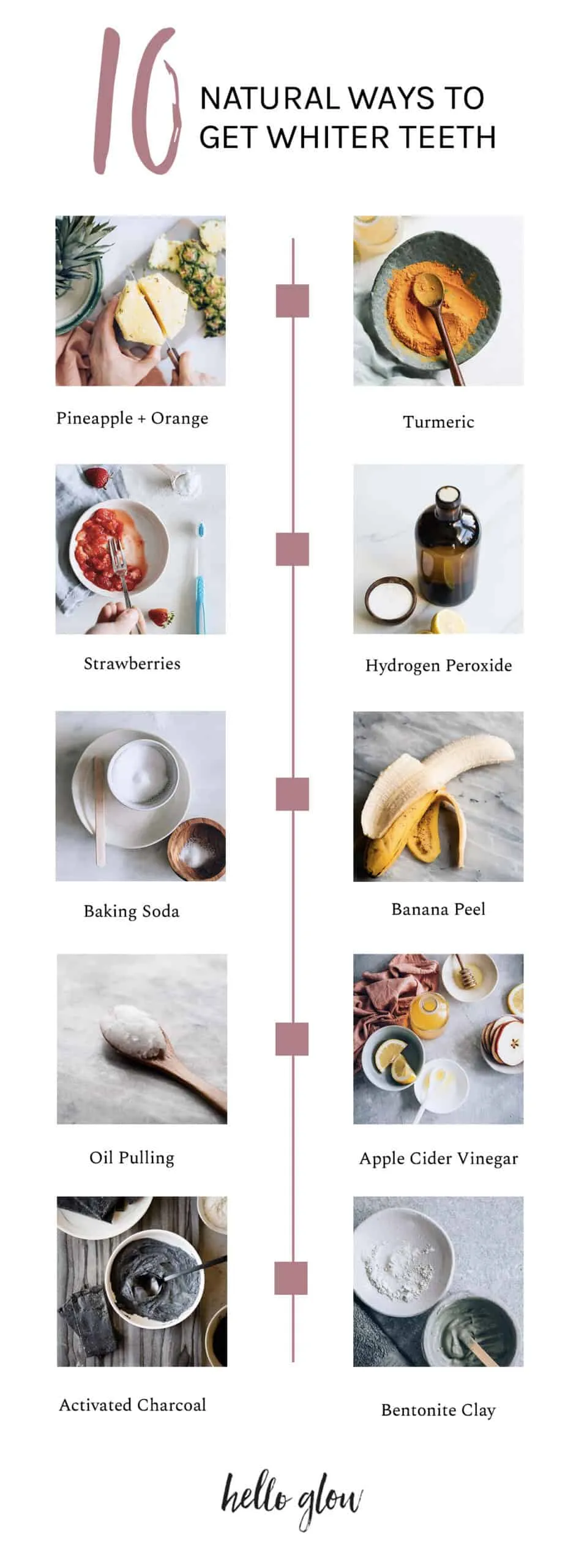
Achieving a brighter smile doesn’t always require expensive professional treatments. Many effective home remedies can help whiten your teeth naturally and affordably. These methods utilize readily available ingredients to gently remove stains and brighten the enamel. However, it’s important to approach these remedies with caution and moderation, as overuse can sometimes cause sensitivity. Always consult with your dentist before starting any new whitening regimen, especially if you have existing dental issues. Consistency and proper oral hygiene are key to maximizing the benefits of these home remedies and maintaining a healthy, radiant smile.
Baking Soda & Hydrogen Peroxide
Baking soda, a mild abrasive, can help remove surface stains, while hydrogen peroxide acts as a bleaching agent. The combination of these two ingredients can provide a noticeable whitening effect. However, it’s crucial to use these ingredients sparingly and in the correct proportions to avoid damaging your enamel. Overuse can lead to increased tooth sensitivity and erosion of the enamel surface. This method works best for removing surface stains and may not be as effective for deep-seated discoloration. It’s a cost-effective and accessible option, but it’s essential to balance its use with other oral hygiene practices.
How To Use Baking Soda & Hydrogen Peroxide
Mix one tablespoon of baking soda with two tablespoons of hydrogen peroxide to create a paste. Gently brush your teeth with this paste for about two minutes. Rinse thoroughly with water. Use this mixture no more than once or twice a week to avoid damaging your enamel. Always consult with your dentist before using this method, particularly if you have sensitive teeth or other dental concerns. Regular dental check-ups will ensure this and other remedies are effective and safe for your teeth.
Coconut Oil Pulling

Coconut oil pulling is an ancient Ayurvedic practice that involves swishing coconut oil in your mouth for a certain amount of time. While its direct whitening effects are less pronounced compared to other methods, coconut oil helps remove bacteria and toxins, which can indirectly contribute to a cleaner mouth and potentially brighter teeth. The oil acts as a solvent, helping to dislodge plaque and bacteria that contribute to staining. It’s a gentle, natural method that promotes overall oral health. While not a primary whitening agent, it complements other techniques and contributes to healthier gums and fresher breath.
Benefits of Coconut Oil Pulling
Coconut oil pulling offers several benefits beyond potential teeth whitening. It reduces harmful bacteria in the mouth, which can lead to fresher breath and improved gum health. The process also helps remove plaque and prevents the buildup of new plaque. Some people find that it also alleviates dry mouth and reduces the risk of cavities. Regular oil pulling contributes to overall oral health and is a simple addition to your routine. Remember that oil pulling should complement, not replace, regular brushing and flossing.
Lemon & Baking Soda
Lemon contains citric acid, which can act as a bleaching agent. However, it’s also highly acidic and can erode tooth enamel if used improperly. When combined with baking soda, the abrasive action can further contribute to enamel wear. This method should be used with extreme caution and sparingly due to the potential for tooth sensitivity and damage. The effects may be noticeable, but the risks associated with frequent use often outweigh the benefits. Always rinse your mouth thoroughly after using this mixture to neutralize the acid and protect your teeth.
How to Apply Lemon & Baking Soda for Whitening

Mix a small amount of lemon juice with baking soda to form a paste. Apply the paste to your teeth and let it sit for no more than one minute. Rinse thoroughly with water and brush your teeth as usual. Due to the high acidity of lemon, this method should only be used very occasionally, perhaps once a month at most. Monitor your teeth for any signs of sensitivity or erosion, and discontinue use if you notice any adverse effects. Always consult with your dentist before incorporating this into your routine.
Apple Cider Vinegar
Apple cider vinegar (ACV) is believed to have mild bleaching properties due to its acidic content. However, similar to lemon juice, it poses a risk of enamel erosion if used frequently or in high concentrations. It may help remove surface stains, but the potential for damaging your teeth makes this a less desirable option. Proper dilution and infrequent use are essential if you choose to incorporate ACV into your oral hygiene routine. Consulting your dentist is recommended to ensure it is safe for your teeth and gums.
Using Apple Cider Vinegar for Whitening
Dilute apple cider vinegar with water before use. Swish a small amount of the diluted mixture in your mouth for about 30 seconds. Rinse your mouth thoroughly with water afterward. Due to its acidity, using apple cider vinegar too often can damage the enamel. Limit its use to no more than once or twice a week, and always brush your teeth afterwards. Monitor your teeth for any sensitivity or changes in enamel and consult with your dentist if you have concerns.
Turmeric for Whiter Teeth

Turmeric, a yellow spice, has gained popularity for its potential teeth-whitening and anti-inflammatory properties. The active compound, curcumin, is believed to help remove stains and brighten teeth naturally. It is a gentle alternative that is less abrasive than baking soda and lemon, reducing the risk of enamel damage. While it is not a powerful bleaching agent, regular use can help remove surface stains and contribute to overall oral health. The spice’s anti-inflammatory properties can also promote healthy gums, providing a dual benefit.
How to Use Turmeric
Mix turmeric powder with a small amount of water to create a paste. Brush your teeth with the paste for about two to three minutes. Rinse your mouth thoroughly with water. You can also add a bit of coconut oil to the mixture for added benefits. Turmeric is generally safe for daily use due to its gentle nature. However, it’s important to rinse your mouth thoroughly after brushing to remove any yellow residue. Consistent use alongside proper oral hygiene will help remove surface stains and brighten your smile naturally.
Maintaining Your White Smile
Maintaining a bright, white smile requires consistent effort and good oral hygiene practices. Regular brushing and flossing, coupled with mindful dietary choices, play a crucial role in preserving the results of any whitening treatments. Furthermore, routine dental check-ups and cleanings are essential for removing plaque and tartar, preventing stains, and addressing any underlying dental issues. By incorporating these habits into your daily routine, you can enjoy a beautiful, confident smile for years to come. Remember that consistency is key, and a proactive approach to oral health is the most effective way to achieve and maintain a radiant smile.
Avoid Stain Causing Foods and Drinks

Certain foods and drinks can readily stain your teeth. Minimizing their consumption can significantly help maintain the whiteness of your smile. Coffee, tea, red wine, and dark-colored berries are notorious offenders. If you consume these items, consider drinking them through a straw to minimize contact with your teeth. Rinsing your mouth with water after consuming staining foods and drinks can also help reduce the amount of staining. Being mindful of your diet and making conscious choices can protect the brightness of your teeth and reduce the need for more frequent whitening treatments.
Proper Brushing and Flossing Techniques
Proper brushing and flossing are fundamental to oral hygiene and maintaining a white smile. Brush your teeth at least twice a day, using a fluoride toothpaste and a soft-bristled toothbrush. Brush gently in a circular motion, ensuring that you cover all surfaces of your teeth. Floss daily to remove plaque and food particles from between your teeth, where a toothbrush cannot reach. This helps prevent the buildup of stains and improves overall oral health. Regular and effective brushing and flossing are the cornerstones of a healthy, bright smile and are essential for protecting your teeth from stains and decay. Make it a daily habit, and your teeth will thank you.
Conclusion
Achieving a whiter smile at home is possible with several effective and natural remedies. From the mild abrasiveness of baking soda to the gentle cleaning of coconut oil, you have a variety of options to explore. However, it’s crucial to approach these remedies with caution, understanding that moderation and proper technique are essential to avoid damage. Always prioritize regular dental check-ups and consult your dentist before trying any new whitening methods. By combining these home remedies with consistent oral hygiene practices, you can enjoy a brighter, more confident smile. Embrace a holistic approach to oral health, and your smile will reflect your dedication to a healthy lifestyle.