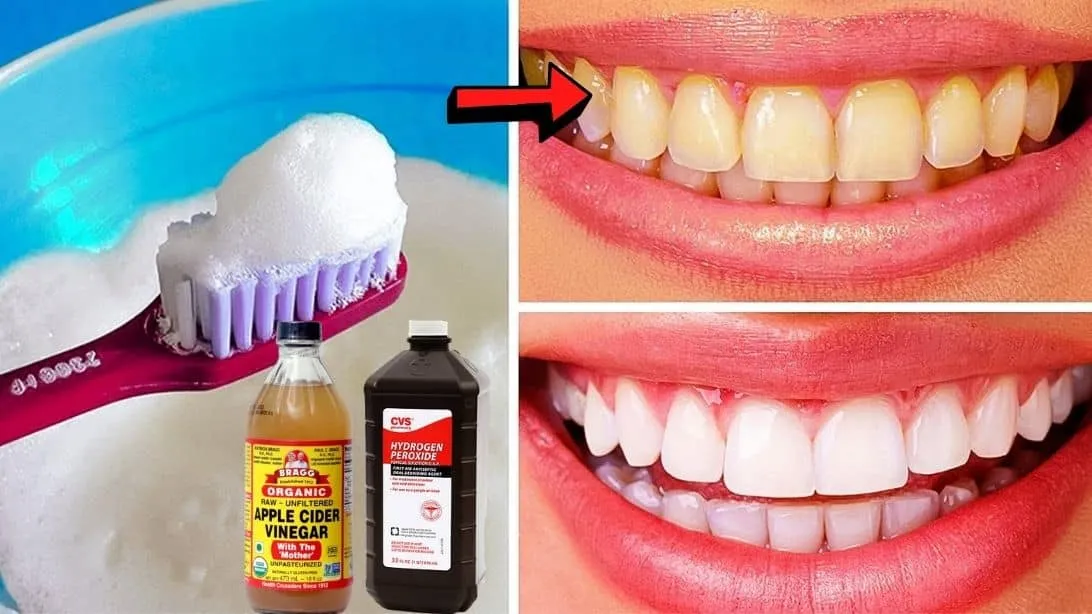
Understanding Natural Teeth Whitening
Natural teeth whitening involves using readily available, often household, ingredients and practices to brighten the color of your teeth. Unlike chemical treatments, natural methods typically work more gradually and gently. The appeal lies in their affordability, accessibility, and the avoidance of harsh chemicals. However, it’s important to understand that the effectiveness of these methods varies from person to person and depends on the type and severity of staining. It’s crucial to approach natural whitening with realistic expectations and be consistent with the methods used. Also, it is always a good idea to consult with your dentist before starting any new teeth whitening regimen, especially if you have pre-existing dental conditions or sensitivities.
Why Choose Natural Whitening Methods?
There are several compelling reasons why people opt for natural teeth whitening methods. Firstly, it’s often considered a safer option, as it avoids exposure to potentially harsh chemicals found in some professional or over-the-counter treatments. Many individuals are also drawn to the cost-effectiveness of natural remedies; ingredients like baking soda and hydrogen peroxide are inexpensive and readily available. Additionally, the gentler approach of natural methods can be beneficial for those with sensitive teeth, reducing the risk of discomfort or enamel damage. Embracing natural methods aligns with a broader interest in holistic health and wellness, emphasizing the use of natural products for overall well-being, including oral hygiene.
Tip 1 Oil Pulling for Whiter Teeth

Oil pulling, an ancient Ayurvedic practice, involves swishing oil in your mouth for an extended period to remove bacteria and toxins. While not directly whitening, it can contribute to a brighter smile by reducing plaque buildup and improving overall oral health. The oil, typically coconut oil, helps to dislodge bacteria that can cause discoloration. Regular oil pulling can also contribute to fresher breath and healthier gums. The practice should be done on an empty stomach, ideally in the morning, before eating or drinking anything. Consistency is key; it may take several weeks or months to see noticeable results, but the cumulative effects can be beneficial for both teeth whitening and general oral hygiene.
How to Oil Pull Effectively
To oil pull effectively, start by taking a tablespoon of coconut oil (or sesame or sunflower oil) and swishing it around in your mouth for 15-20 minutes. Make sure the oil reaches every part of your mouth, including between your teeth. Avoid swallowing the oil, as it will be filled with bacteria and toxins. After swishing, spit the oil into a trash can (not down the sink to prevent clogging). Rinse your mouth thoroughly with water, and brush your teeth as usual. It is crucial to brush your teeth after oil pulling to remove any remaining oil and bacteria. For best results, oil pull daily and maintain good oral hygiene practices alongside the oil pulling routine.
Tip 2 Baking Soda and Hydrogen Peroxide
Baking soda and hydrogen peroxide are a classic combination for teeth whitening. Baking soda acts as a gentle abrasive that helps to scrub away surface stains, while hydrogen peroxide has mild bleaching properties. This combination can be effective in removing stains caused by coffee, tea, and other foods. However, it is important to use this method sparingly to avoid damaging tooth enamel. The key is to use the right ratio and frequency to achieve the desired whitening effect without causing harm to your teeth and gums. Overuse can lead to increased sensitivity or even enamel erosion.
Using Baking Soda and Peroxide Safely

To safely use baking soda and hydrogen peroxide for teeth whitening, mix a small amount of baking soda (about a teaspoon) with enough hydrogen peroxide (3% concentration) to form a paste. Gently brush your teeth with this paste for no more than two minutes, once or twice a week. Rinse thoroughly with water after brushing. Avoid swallowing the paste. If you experience any increased sensitivity, discontinue use immediately. Consult with your dentist before use, especially if you have sensitive teeth or any existing dental issues. Always ensure you are using food-grade baking soda and a diluted solution of hydrogen peroxide.
Tip 3 Activated Charcoal Benefits
Activated charcoal is a highly absorbent substance that has gained popularity for its teeth-whitening properties. It works by adsorbing stains and impurities from the teeth. The porous nature of activated charcoal helps to trap the particles that cause discoloration, leaving teeth looking brighter. It’s a natural and relatively safe option, but the effectiveness can vary. It is important to note that activated charcoal can be abrasive and may not be suitable for everyone, particularly those with sensitive teeth or enamel erosion. It is always recommended to consult with a dentist before using activated charcoal.
Using Activated Charcoal for Whitening
To use activated charcoal for teeth whitening, dampen your toothbrush and dip it into the charcoal powder. Brush your teeth gently for about two minutes, paying attention to all surfaces. Rinse your mouth thoroughly with water until all traces of charcoal are gone. You can then brush your teeth again with regular toothpaste to remove any remaining charcoal residue. Use activated charcoal once or twice a week, as overuse can be abrasive. Ensure you use a soft-bristled toothbrush to minimize abrasion. Be careful as activated charcoal can stain clothing and surfaces, so use it in a well-protected area, away from your clothes and furniture. Avoid the powder near the sink, as it can leave a mess.
Tip 4 The Power of Strawberries

Strawberries contain malic acid, which acts as a natural astringent and can help to remove surface stains. While they are not as powerful as other whitening methods, strawberries can contribute to a brighter smile and are a tasty addition to your oral hygiene routine. The malic acid helps break down stains, and the slight abrasiveness of the strawberry seeds aids in removing them. However, overuse can erode enamel. While strawberries are beneficial, they should be used in moderation as part of a broader oral care approach. Combining strawberries with baking soda enhances their whitening effect but should be done cautiously.
How to Use Strawberries for Whitening
To use strawberries for teeth whitening, mash a fresh strawberry into a paste. Apply the paste to your teeth and leave it for a few minutes. Gently brush your teeth, and then rinse thoroughly with water. Some people mix the mashed strawberries with a small amount of baking soda for enhanced effects. But again, use the baking soda combination sparingly, as the acidity can be harmful if used too often. This method is best used a couple of times a week. Always ensure you rinse thoroughly to remove any remaining strawberry residue. Follow up with your regular brushing routine to maintain good oral hygiene and prevent the buildup of plaque.
Tip 5 Apple Cider Vinegar for Teeth
Apple cider vinegar (ACV) is sometimes used for teeth whitening due to its acidic properties. It is believed to help remove stains and kill bacteria in the mouth. However, its high acidity can also erode tooth enamel if not used properly. Therefore, ACV should be diluted with water and used with caution. It is essential to avoid direct contact with teeth for extended periods. ACV’s effectiveness in whitening varies from person to person, and it’s crucial to consider the potential risks before trying this method. Always consult your dentist, especially if you have sensitive teeth or enamel erosion.
Diluting and Using Apple Cider Vinegar

To use apple cider vinegar for teeth whitening, mix one to two teaspoons of ACV with a cup of water. Swish the diluted solution in your mouth for about 30 seconds, then rinse thoroughly with plain water. Avoid brushing your teeth with undiluted ACV. This method should be used infrequently, perhaps once a week, to minimize the risk of enamel damage. Never use ACV if you experience any sensitivity or discomfort. Following the use of ACV, brush your teeth as usual. It’s recommended to consult with a dentist before using ACV for teeth whitening to ensure it is suitable for your oral health needs.
Tip 6 The Role of a Healthy Diet
A healthy diet plays a crucial role in maintaining a bright smile and promoting overall oral health. Certain foods can help to naturally whiten teeth, while others can contribute to staining. Including plenty of fresh fruits and vegetables, especially those with a high water content, can stimulate saliva production, which helps to wash away food particles and bacteria. Limiting your intake of sugary and acidic foods and drinks is also essential, as they can erode enamel and contribute to stains. A balanced diet supports overall health, including the health of your teeth, and increases the effectiveness of whitening treatments.
Foods That Support Teeth Whitening
Some foods can help to naturally whiten teeth and maintain a bright smile. Crunchy fruits and vegetables, such as apples, celery, and carrots, act as natural abrasives that help to scrub away surface stains. Dairy products, such as milk, cheese, and yogurt, are rich in calcium, which strengthens teeth and helps to prevent erosion. Water is essential for rinsing away food particles and bacteria. Additionally, certain herbs and spices, such as parsley and basil, can help to freshen breath and remove stains. Incorporating these foods into your diet can contribute to both teeth whitening and overall oral health. Furthermore, a balanced diet is vital for overall health, as it strengthens your immune system and supports the health of your teeth.
Tip 7 Professional Advice and Maintenance

While natural teeth whitening methods can be beneficial, it’s essential to seek professional advice and maintain regular dental check-ups. A dentist can assess your oral health, identify any underlying issues, and recommend the most appropriate whitening treatments for your specific needs. They can also provide professional teeth cleaning to remove plaque and tartar, which contribute to discoloration. Following a whitening treatment, maintaining good oral hygiene practices is essential. This includes brushing twice a day, flossing daily, and using an antibacterial mouthwash. Regular dental check-ups and cleanings are essential for monitoring the results of your whitening efforts and maintaining a healthy, bright smile. A dentist can also recommend suitable products and methods for ongoing maintenance.
When to See a Dentist for Whitening
It is important to see a dentist before starting any teeth whitening regimen, especially if you have existing dental issues such as cavities, gum disease, or sensitive teeth. A dentist can assess the health of your teeth and gums and recommend the most suitable treatment options. They can also provide professional teeth whitening treatments that are more effective and safer than over-the-counter or natural methods. If you experience any discomfort or sensitivity during natural whitening attempts, it’s essential to consult your dentist immediately. Regular dental check-ups and cleanings are also important for monitoring the results of any whitening efforts and maintaining a healthy, bright smile. A dentist can provide guidance on proper oral hygiene practices, including selecting the right toothbrush, toothpaste, and mouthwash.