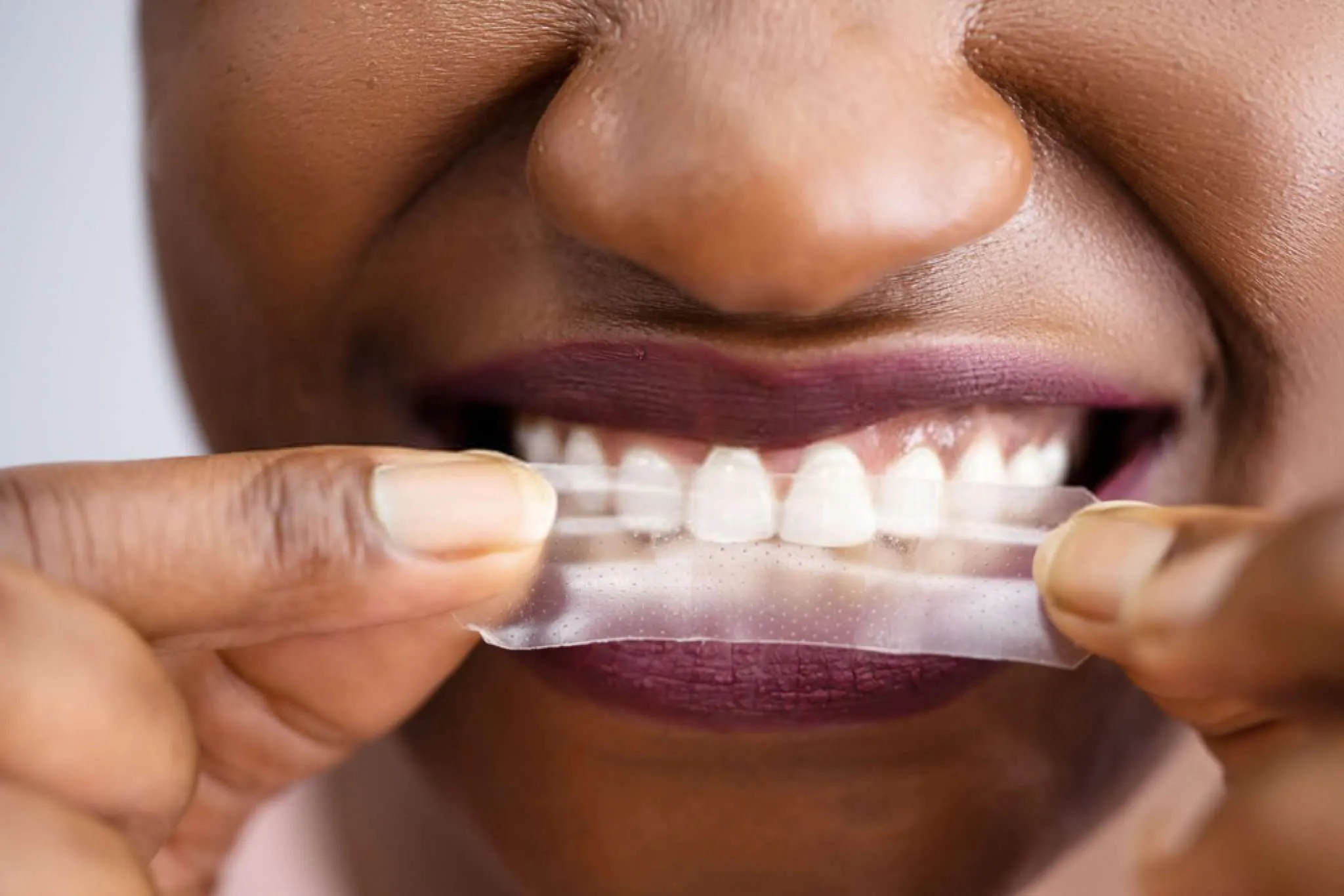
Achieving a brighter smile is a common goal, and teeth whitening strips have become a popular and accessible solution. But, how often can you safely use whitening strips to achieve your desired results without causing harm to your teeth and gums? This comprehensive guide explores everything you need to know about whitening strip frequency, usage, potential risks, and alternative teeth whitening methods, helping you make informed decisions for your oral health.
Understanding Whitening Strips and Their Usage
What are Whitening Strips?
Whitening strips are thin, flexible strips coated with a whitening agent, typically hydrogen peroxide or carbamide peroxide. These strips are designed to adhere to the surface of your teeth, delivering the whitening agent directly to the enamel. They are a convenient and relatively affordable way to whiten your teeth at home, offering a less invasive alternative to professional dental procedures. The concentration of the whitening agent varies between brands, influencing the duration and frequency of use.
The Science Behind Whitening Strips

The active ingredients in whitening strips, like hydrogen peroxide, work by breaking down stains on the enamel surface. These stains are caused by various factors, including the consumption of coffee, tea, red wine, and smoking. As the peroxide penetrates the enamel, it oxidizes the stain molecules, breaking them into smaller, less visible particles. This process effectively lightens the overall appearance of your teeth. The effectiveness depends on the concentration of the active ingredient, the duration of the application, and the initial condition of your teeth.
How Whitening Strips Work
Whitening strips are applied directly to the teeth, following the contours of your smile. The adhesive on the strip ensures it stays in place, allowing the whitening agent to come into contact with the tooth surface. The active ingredients then penetrate the enamel and begin the oxidation process to break down the stain molecules. After the recommended time, the strips are removed, and any remaining gel is rinsed away. Consistent use, according to the product instructions, is key to achieving and maintaining the desired whitening effect.
Factors Influencing Whitening Strips Frequency
Type of Whitening Strips

Different brands and types of whitening strips vary in the concentration of their active ingredients. Some strips are designed for daily use, while others are meant to be used less frequently, like once a week or even less. High-concentration strips generally require less frequent use but may increase the risk of sensitivity. Always check the product’s instructions to determine the recommended frequency and duration for the specific brand you’re using. See image: https://example.com/whitening-strips-types.webp

Sensitivity of Your Teeth and Gums
The sensitivity of your teeth and gums is another crucial factor. Individuals with naturally sensitive teeth or those with receding gums may experience more discomfort or irritation. If you have a history of sensitivity, it is advisable to start with a lower frequency or lower-concentration strips and monitor your reaction. If sensitivity occurs, reduce the frequency or consult with your dentist. See image: https://example.com/teeth-sensitivity.webp

Your Lifestyle and Habits
Your lifestyle choices also play a role. Frequent consumption of staining foods and drinks, such as coffee, tea, and red wine, may require more frequent touch-ups to maintain your desired level of whiteness. However, excessive use can increase the risk of sensitivity. Smoking can also contribute to staining and may necessitate more frequent whitening. Balancing your habits with the appropriate whitening strip frequency is essential for both aesthetics and oral health.
Recommended Frequency of Whitening Strips

General Guidelines for Use
The frequency of use varies greatly based on the product and your individual needs. Always follow the manufacturer’s instructions on the packaging. In general, most whitening strips recommend a usage schedule of once or twice a day for a specific duration, such as 30 minutes. After completing a treatment cycle (e.g., 14 days), many people switch to a maintenance routine. This can involve using strips once or twice a week to keep the results. Never exceed the recommended usage to minimize potential side effects.
For Beginners
If you’re new to whitening strips, it is best to start slow. Begin with a product that has a lower concentration of the active ingredient and follow the instructions. Monitor your teeth and gums for any signs of sensitivity or irritation. If you experience discomfort, reduce the frequency or discontinue use and consult a dentist. Starting slowly allows you to assess your tolerance and adjust your approach accordingly. Consistent use is key, and it is important to be patience to see the results.
For Experienced Users

If you’ve used whitening strips before and have a good understanding of how your teeth respond, you may be able to use them more frequently. However, it’s still crucial to follow the product instructions and not overuse the strips. Consider your lifestyle and habits. If you consume staining foods and drinks often, you might need to use whitening strips more often for maintenance. Always monitor your teeth for sensitivity and adjust your usage as needed. See image: https://example.com/whitening-strips-results.webp

Potential Risks and Side Effects
Tooth Sensitivity
Tooth sensitivity is a common side effect of using whitening strips. The peroxide in the strips can penetrate the enamel and irritate the nerves in your teeth. This can result in a temporary increase in sensitivity to hot and cold foods and drinks. If you experience significant sensitivity, stop using the strips and consult your dentist. Using toothpaste designed for sensitive teeth can help alleviate the discomfort during treatment.
Gum Irritation

Gum irritation is another potential side effect. If the whitening agent comes into contact with your gums, it can cause inflammation, redness, and soreness. To minimize this risk, make sure to apply the strips correctly, avoiding contact with your gums as much as possible. If irritation occurs, reduce the frequency of use or stop using the strips and consult your dentist. See image: https://example.com/healthy-teeth.webp

Other Potential Side Effects
In rare cases, other side effects can occur. These may include changes in the texture of the enamel, although this is usually temporary. Some people may experience a slight burning sensation. If you experience any unusual or severe side effects, stop using the product and consult with a dentist. Overuse of whitening strips can lead to long-term damage, so always follow the recommended guidelines. See image: https://example.com/dental-checkup.webp

Tips for Safe and Effective Use
Consulting a Dentist

Before starting any teeth whitening treatment, it is always best to consult with your dentist. Your dentist can assess your overall oral health, identify any potential issues, and recommend the most appropriate whitening method for your individual needs. They can also offer professional teeth whitening, which may produce faster and more effective results. Regular dental check-ups ensure your teeth and gums are healthy, reducing the risk of side effects. See image: https://example.com/professional-teeth-whitening.webp

Following Product Instructions
Always carefully read and follow the product instructions. Do not exceed the recommended usage frequency or duration, as this increases the risk of side effects. If you have any questions or concerns about the product, contact the manufacturer or your dentist. Ensure you understand the proper application technique and any precautions you should take. Adhering to the instructions ensures the most effective results and minimizes the risk of damage.
Proper Application Technique
Correct application of whitening strips is crucial for both effectiveness and safety. Apply the strips to dry teeth, avoiding contact with your gums. Ensure the strips are properly adhered to your teeth, following their contours. Avoid eating, drinking, or smoking while the strips are in place. After the recommended time, remove the strips and rinse your mouth with water. See image: https://example.com/whitening-strips-application.webp

Alternatives to Whitening Strips
Professional Teeth Whitening
Professional teeth whitening, performed by a dentist, is the most effective way to whiten your teeth. These treatments use higher concentrations of peroxide, delivering faster and more dramatic results. They are also performed under the supervision of a dental professional, minimizing the risk of side effects. Although it is more expensive, it is a safe option if you want more immediate and significant whitening. See image: https://example.com/professional-teeth-whitening.webp
Over-the-Counter Whitening Products
Besides whitening strips, many over-the-counter whitening products are available, including whitening toothpaste, mouthwashes, and gels. These products usually contain lower concentrations of whitening agents, making them less effective but also less likely to cause sensitivity. They can be used as part of your daily oral hygiene routine to maintain whiteness. Always check the product’s instructions and consult your dentist for advice.
Home Remedies for Teeth Whitening
Some people explore home remedies, like baking soda and hydrogen peroxide mixtures. However, it is very important to be very cautious about these, as they can be abrasive and potentially damage your enamel. Consult with your dentist before trying any home remedy. Safe and effective home remedies are usually maintaining excellent oral hygiene, including brushing twice a day and flossing regularly. These help prevent stains and maintain your natural tooth color.
In conclusion, understanding the appropriate frequency for using whitening strips is key to achieving a brighter smile while maintaining good oral health. Following product instructions, considering your individual needs, and consulting your dentist can help you achieve optimal results safely. Remember, moderation and a proactive approach to your oral hygiene are crucial for a healthy and beautiful smile.