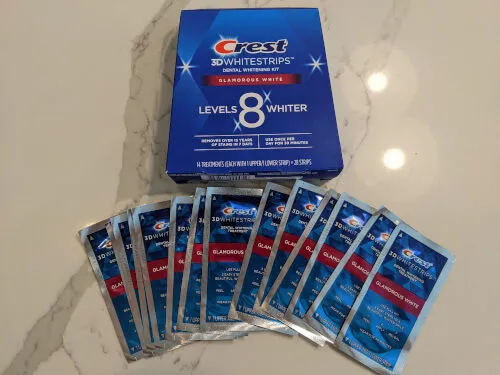
Accidents happen, and sometimes, that includes accidentally swallowing a whitening strip. If this has happened to you, it’s natural to feel concerned. This guide will walk you through what whitening strips are made of, what to expect if one is swallowed, and the steps you should take. Understanding the potential risks and knowing how to respond can help alleviate anxiety and ensure you take the right course of action. We will delve into the composition of these strips, the immediate and long-term effects of ingestion, and crucial safety measures to follow. Read on to become informed and prepared should you ever face this situation.
Understanding the Ingredients in Whitening Strips
To understand what happens when you swallow a whitening strip, it’s crucial to know what they’re made of. Whitening strips typically consist of a thin, flexible plastic strip coated with a gel containing active ingredients. These ingredients are designed to whiten teeth by breaking down stains. The primary components, along with their effects, are detailed below to offer a comprehensive understanding of their potential impact. This knowledge is vital for assessing the risks and determining the appropriate course of action if ingestion occurs.
Key Ingredients and Their Potential Effects
The active ingredients in whitening strips are responsible for their teeth-whitening capabilities. These ingredients, while effective, can pose risks if swallowed. The primary ingredient, hydrogen peroxide, is a bleaching agent that can irritate the digestive system. Other components, such as stabilizers and flavoring agents, usually have less significant effects, but their presence contributes to the overall impact. The concentration and amount of ingredients ingested determine the severity of the effects experienced.
Hydrogen Peroxide and Its Role
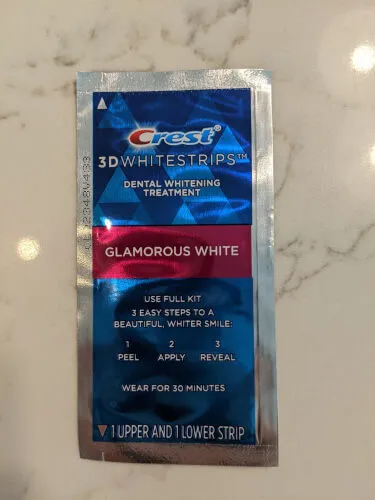
Hydrogen peroxide is the main active ingredient in most whitening strips. Its role is to oxidize the stains on your teeth, making them appear whiter. However, when ingested, hydrogen peroxide can be irritating to the digestive tract. The degree of irritation depends on the concentration of the hydrogen peroxide and the amount swallowed. Ingesting high concentrations can lead to significant discomfort and potential health complications. Understanding the properties of hydrogen peroxide is crucial for anyone who may accidentally swallow a whitening strip.
What Happens When You Swallow a Whitening Strip
Swallowing a whitening strip can lead to a range of physical reactions, from mild discomfort to more severe symptoms, depending on the amount and concentration of the ingested substances. The immediate effects may include a burning sensation in the mouth or throat, nausea, and stomach upset. It’s important to recognize these symptoms and respond promptly to minimize any potential harm. Understanding the body’s response to the ingested chemicals will help you manage the situation effectively. The next sections will break down the common reactions and their implications.
Immediate Effects and Symptoms
The immediate symptoms after swallowing a whitening strip often begin within minutes. You might experience a burning sensation in your mouth, throat, or chest. Nausea and stomach cramps are also common. In some cases, you could have an increased production of saliva, a metallic taste, or even difficulty swallowing. These initial reactions provide critical clues about how the body is responding. Knowing these signs is the first step in managing the situation and seeking the appropriate level of care.
Gastrointestinal Distress

Gastrointestinal distress is a frequent outcome of swallowing a whitening strip, primarily due to the presence of hydrogen peroxide. Symptoms can range from mild stomach discomfort to intense pain, depending on the amount of the substance ingested and individual sensitivity. You might experience symptoms like nausea, vomiting, and diarrhea. Staying hydrated and avoiding food or drink can sometimes help ease these symptoms. However, persistent or severe symptoms require prompt medical attention to prevent more serious complications.
Potential for Chemical Burns
Although rare, swallowing a whitening strip can, in some situations, lead to chemical burns in the mouth, throat, or esophagus. This is more likely if a large amount of the gel is swallowed or if the concentration of the active ingredients is high. Symptoms include severe pain, difficulty swallowing, and blistering of the affected tissues. If you experience these signs, seek immediate medical attention, as prompt intervention can limit the extent of the damage and improve the chances of a full recovery. Seeking help fast ensures a safe course of action.
Long-Term Health Implications
While the immediate effects of swallowing a whitening strip are concerning, the long-term implications should also be considered. Continuous exposure to these chemicals can affect dental health and potentially cause other complications. It’s essential to be aware of potential long-term effects, which can range from increased tooth sensitivity to enamel damage. The extent of these effects can vary, making it essential to be vigilant and seek professional advice to prevent long-term health issues. Proper care and early intervention are key to mitigating risks.
Risk of Tooth Sensitivity and Damage

One of the most common long-term effects of swallowing whitening strips is increased tooth sensitivity. The chemicals in the strips can weaken the enamel, making teeth more susceptible to sensitivity to hot and cold temperatures. Repeated exposure or a single large ingestion could exacerbate this condition. The risk of enamel damage increases if the strips are used frequently or incorrectly. To protect your teeth, it is essential to understand the risks and act accordingly if the sensitivity occurs.
Impact on Enamel and Gum Health
Swallowing whitening strips can also negatively impact the health of your enamel and gums. The bleaching agents can erode enamel over time, making teeth more vulnerable to decay and damage. Additionally, the chemicals can irritate the gums, causing inflammation and soreness. Proper oral hygiene and regular dental check-ups are vital to monitor and mitigate any adverse effects on oral health. Regular professional guidance helps maintain and preserve the health of your teeth and gums.
First Steps if You Swallow a Whitening Strip
If you have swallowed a whitening strip, quick and appropriate action is crucial to minimize potential harm. The initial steps should focus on assessing the situation and taking immediate measures to alleviate any symptoms. Knowing what to do can make a significant difference in your outcome and help you handle the incident with composure. This section will walk you through the recommended first steps and when professional medical help is needed.
Immediate Actions to Take

The first step is to remain calm and assess your condition. Rinse your mouth with water to remove any remaining gel and dilute the chemicals. Drink a small amount of water to help wash down the chemicals, but avoid excessive intake to prevent potential vomiting. Monitor yourself for any symptoms, such as pain, nausea, or difficulty breathing. Note the time when the incident occurred and any immediate reactions. Keeping track of these details will be beneficial if you need to seek medical attention.
When to Seek Medical Attention
You should seek medical attention if you experience any severe symptoms after swallowing a whitening strip. Signs such as significant abdominal pain, persistent vomiting, difficulty breathing, or signs of an allergic reaction require immediate medical care. If you are unsure, it is always best to err on the side of caution and consult with a healthcare professional. They can provide appropriate treatment and guidance based on your specific symptoms and circumstances. Don’t hesitate to seek help when in doubt; it’s the safest approach.
Preventing Accidental Ingestion
Preventing accidental ingestion is crucial, especially when dealing with potentially harmful chemicals. Proper storage and usage are vital to minimizing the risks. This involves making sure that the strips are stored securely out of reach of children and pets. Additionally, following the directions for use on the product packaging, avoiding any misuse, will lower the likelihood of accidental ingestion. Taking proactive steps will ensure safety and peace of mind.
Safe Storage Practices

Store whitening strips in a safe place that is out of reach of children and pets. Keep them in their original packaging and seal them tightly after use. Avoid storing them near food items or other products that could be accidentally ingested. Make sure the storage area is cool and dry to preserve the efficacy of the strips and prevent accidental exposure. Following these measures will reduce the risk of accidental ingestion and ensure product safety.
Proper Usage and Disposal
Always follow the instructions on the product packaging for proper usage. Avoid excessive use of whitening strips, as this can increase the risk of side effects. After use, dispose of the strips properly in a trash container, out of reach of children and animals. Don’t leave used strips lying around where they could be accidentally ingested. By following these precautions, you can significantly reduce the risk of accidental ingestion and promote your safety.
Conclusion
Accidentally swallowing a whitening strip can be a stressful situation, but understanding the potential risks and knowing what to do can ease your concerns. By being informed about the ingredients, possible effects, and appropriate steps to take, you can handle such incidents confidently. Remember to prioritize your health and seek medical advice when necessary. Proper prevention through safe storage, proper usage, and disposal are the best strategies to avoid this issue. Staying informed and proactive can help you maintain your oral health and overall well-being.