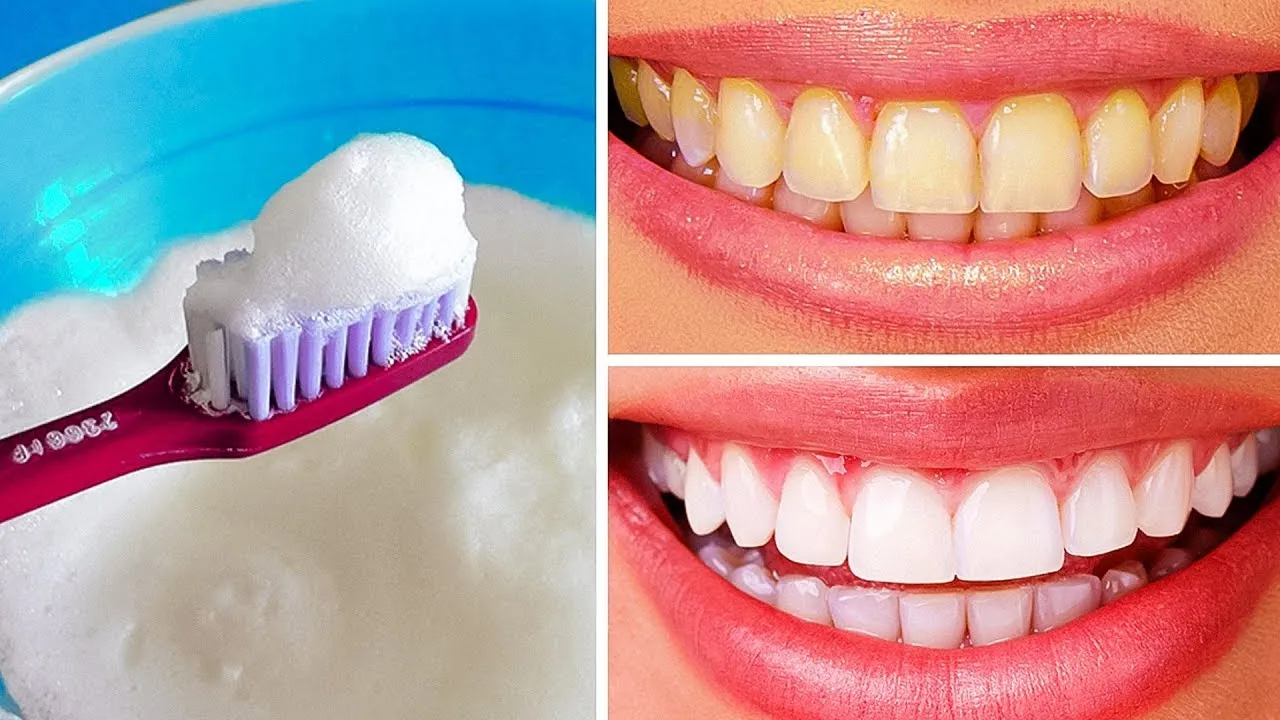
Understanding Teeth Discoloration
Teeth discoloration is a common issue, affecting people of all ages. It can range from subtle yellowing to more pronounced staining, impacting the aesthetic appearance of your smile. Understanding the underlying causes of discoloration is the first step towards effective treatment and prevention. Many factors contribute to the color of your teeth, including the natural shade of your enamel and dentin, the underlying layer. The enamel, the outermost layer, is translucent, while the dentin is yellowish. As we age, the enamel thins, and the dentin becomes more visible, leading to a perception of darker teeth. External factors, such as the foods and drinks we consume, can also stain the enamel surface, leading to discoloration. Additionally, certain habits and medical conditions can affect tooth color. Therefore, recognizing these elements is crucial for choosing the most appropriate teeth whitening method and maintaining a healthy, bright smile.
Common Causes of Tooth Staining
Tooth staining can arise from a variety of sources, categorized broadly into extrinsic and intrinsic factors. Extrinsic stains affect the enamel’s surface, often resulting from dietary choices, particularly those high in tannins or dark pigments. Coffee, tea, red wine, and certain berries are notorious culprits. Poor oral hygiene also contributes significantly, as plaque and tartar buildup accumulate, creating a breeding ground for discoloration. Intrinsic stains, on the other hand, originate from within the tooth structure. These can be caused by trauma, certain medications such as tetracycline, or excessive fluoride intake during tooth development. Aging also plays a role, with the enamel thinning over time, allowing the yellowish dentin to show through. Furthermore, genetic predispositions can influence tooth color and susceptibility to staining. Being aware of these common causes empowers individuals to make informed decisions, practice preventive measures, and choose effective whitening solutions.
Dietary Habits

Dietary habits significantly impact the appearance of your teeth. Certain foods and beverages contain pigments that easily adhere to the enamel’s surface, causing stains. Coffee and tea, known for their rich colors and high tannin content, are frequent offenders. Red wine, with its deep hue and tannins, also contributes to discoloration. Additionally, dark-colored berries, such as blueberries and blackberries, can leave their mark. The frequency and quantity of these items consumed influence the degree of staining. For instance, sipping coffee or tea throughout the day can lead to more pronounced staining compared to infrequent consumption. Regularly rinsing your mouth with water after consuming these foods and drinks can help minimize staining. Making mindful dietary choices, like reducing the intake of staining foods and drinks and incorporating teeth-friendly options, is crucial for maintaining a bright smile.
Poor Oral Hygiene
Poor oral hygiene is a primary contributor to tooth discoloration and overall oral health decline. Inadequate brushing and flossing allow plaque and tartar to accumulate on the teeth, creating a breeding ground for bacteria and trapping stains. Plaque, a sticky film of bacteria, forms on the teeth throughout the day. If not removed, it hardens into tartar, which is more difficult to eliminate and often appears yellowish or brownish. In addition to staining, poor oral hygiene leads to other dental problems such as cavities, gum disease, and bad breath. Regular and thorough brushing at least twice a day, coupled with daily flossing, is essential for removing plaque and food particles. Using an antibacterial mouthwash further aids in eliminating bacteria and preventing staining. Regular dental checkups and professional cleanings are also crucial for removing tartar and maintaining a healthy, stain-free smile.
Aging and Genetics
Both aging and genetics play roles in the natural color of your teeth. As we age, the enamel on our teeth thins, and the yellowish dentin, the underlying layer, becomes more visible. This can lead to teeth appearing darker over time. Furthermore, the enamel’s porosity increases with age, making it more susceptible to staining from dietary and environmental factors. Genetic predisposition also influences the initial color and thickness of your enamel, as well as your susceptibility to staining. Some individuals naturally have thicker, whiter enamel, while others have thinner, more porous enamel. These genetic variations impact how well your teeth resist staining and how quickly they might discolor. While you cannot change your genetic makeup or stop the aging process entirely, maintaining good oral hygiene and using natural whitening methods can help to mitigate the effects of aging and genetics on your smile’s brightness.
Top 5 Natural Teeth Whitening Methods

There are numerous natural methods to brighten your teeth, using ingredients and practices that are generally safe and accessible. These methods offer gentler alternatives to harsh chemical treatments, providing effective results with minimal side effects. It is essential to be patient and consistent when using natural whitening techniques, as the results may not be as rapid as those achieved with professional procedures. It’s also important to consult your dentist before trying any new teeth whitening method, especially if you have sensitive teeth or existing dental issues. Here are five proven methods to help you achieve a brighter smile using natural ingredients and practices.
Oil Pulling for a Healthier Smile
Oil pulling is an ancient Ayurvedic practice that involves swishing oil in your mouth to remove bacteria, promote oral hygiene, and potentially whiten teeth. The oil acts as a solvent, attracting and dissolving impurities that contribute to staining and bad breath. Coconut oil is a popular choice due to its pleasant taste and antibacterial properties. Sesame and sunflower oil are other viable options. When performed correctly, oil pulling can help reduce plaque buildup, improve gum health, and contribute to a brighter smile. The key is to be consistent and patient, as the effects are typically gradual. Incorporating this practice into your daily oral care routine can offer significant benefits beyond whitening, including improved overall oral health and fresher breath.
How to Perform Oil Pulling Correctly
To effectively perform oil pulling, start by taking one tablespoon of oil (typically coconut, sesame, or sunflower) into your mouth. Swish the oil gently around your mouth, ensuring it reaches all areas, including between your teeth. Continue swishing for 15 to 20 minutes, avoiding swallowing the oil, as it will contain toxins and bacteria. As you swish, the oil will mix with saliva, becoming thinner and milky. After the allotted time, spit the oil into a trash can (not down the sink to prevent clogging). Rinse your mouth thoroughly with warm water and then brush your teeth as usual. Performing oil pulling first thing in the morning, before eating or drinking anything, is often recommended for optimal results. Consistency is key, and regular practice over several weeks will yield the best outcomes.
Benefits Beyond Whitening

Oil pulling offers a range of benefits that extend beyond teeth whitening. The practice is known for its ability to reduce bacteria in the mouth, which can contribute to fresher breath and improved gum health. By removing bacteria and toxins, oil pulling can help to decrease inflammation in the gums, reducing the risk of gingivitis and periodontitis. Some users report improvements in their overall oral health, including a reduction in cavities. Furthermore, oil pulling may contribute to systemic health benefits, as oral health is closely linked to overall well-being. By incorporating oil pulling into your daily routine, you can support your oral health, enjoy a brighter smile, and potentially experience wider health benefits.
Baking Soda and Hydrogen Peroxide
Baking soda and hydrogen peroxide, when used together, can create a gentle yet effective teeth-whitening treatment. Baking soda acts as a mild abrasive, helping to remove surface stains, while hydrogen peroxide, a mild oxidizing agent, can penetrate the enamel to lighten the tooth’s color. The combination is often used to create a paste, which is applied to the teeth for a short period. It’s essential to use this method with caution, as excessive use of baking soda can potentially erode the enamel. This method can be an effective, cost-efficient alternative to commercial teeth whitening products when used as directed. Always consult with your dentist before use, especially if you have sensitive teeth or other oral health concerns.
The Science Behind the Reaction
The whitening effect of baking soda and hydrogen peroxide combination is based on their chemical properties. Baking soda’s abrasive nature helps remove surface stains by physically scrubbing them away. Hydrogen peroxide, an oxidizing agent, breaks down the stain molecules, lightening the tooth’s color. When hydrogen peroxide comes into contact with the tooth surface, it releases oxygen, which penetrates the enamel and interacts with the stain-causing compounds. This reaction can help to dissolve these compounds, making the teeth appear whiter. While the process is generally safe, it is crucial to use this method in moderation, as over-use of the abrasive baking soda can damage the enamel over time.
Safe Application and Precautions

To safely use baking soda and hydrogen peroxide for teeth whitening, mix one teaspoon of baking soda with two teaspoons of hydrogen peroxide to create a paste. Apply this paste to your teeth using a toothbrush, and gently brush for about two minutes. Rinse your mouth thoroughly with water after brushing. It is crucial to use this mixture no more than once or twice a week to avoid potential enamel erosion. If you experience any sensitivity or discomfort, discontinue use immediately and consult your dentist. Always use fresh hydrogen peroxide, and store the mixture in a cool, dark place. Moreover, avoid swallowing the paste, as hydrogen peroxide can be harmful if ingested. Maintaining these precautions is crucial for ensuring your teeth remain healthy while whitening.
Activated Charcoal for Teeth Whitening
Activated charcoal is a highly absorbent substance that can help remove stains from your teeth. It works by adsorbing, not absorbing, stain-causing particles, leaving your teeth looking brighter. The porous nature of activated charcoal enables it to bind to the tannins and other compounds that cause discoloration. It’s a popular natural remedy used for its ability to gently lift stains from the teeth’s surface. Activated charcoal is available in powder form, and some toothpastes also contain it. The key is to choose the right type of charcoal and use it correctly to avoid any potential side effects. This method, when used appropriately, can effectively contribute to a whiter smile.
Choosing the Right Charcoal
When choosing activated charcoal for teeth whitening, opt for food-grade activated charcoal derived from sources like coconut shells or bamboo. Ensure the product is free of additives and artificial ingredients. The finer the charcoal powder, the better it will work, as it increases its surface area, allowing it to interact more effectively with the stains. Avoid using charcoal from any other source, as it might contain harmful chemicals. Always check the product’s label for any certifications or warnings. Store the activated charcoal in a dry place, away from moisture and direct sunlight, to preserve its effectiveness. Choosing high-quality activated charcoal is crucial for safety and effectiveness in your teeth-whitening routine.
Application and Potential Side Effects

To use activated charcoal for teeth whitening, wet your toothbrush and dip it into the charcoal powder. Brush your teeth gently for about two minutes, paying attention to all surfaces. Rinse your mouth thoroughly with water until all traces of charcoal are removed. You may need to brush your teeth again with regular toothpaste to ensure complete removal of the charcoal residue. Although activated charcoal is generally safe, potential side effects include temporary staining of the gums or toothbrush. Overuse can also lead to enamel abrasion, causing increased sensitivity. It’s advisable to use activated charcoal no more than a few times a week and consult with your dentist before using it, especially if you have any existing dental concerns. Regular brushing will maintain a brighter, cleaner smile.
Whitening with Fruits and Vegetables
Certain fruits and vegetables can contribute to teeth whitening due to their natural abrasive properties or their ability to stimulate saliva production, which helps wash away stains. These natural options offer a gentle way to improve the brightness of your smile while promoting overall oral health. Some fruits contain malic acid, which acts as a natural enamel cleaner. Including these foods in your diet can be both beneficial and enjoyable. They offer a natural, tasty way to support a brighter smile, complementing your regular oral hygiene routine.
Strawberries and Their Benefits
Strawberries contain malic acid, a natural compound that can help remove surface stains. To use strawberries for whitening, mash them into a paste and apply it to your teeth for a few minutes before rinsing. The malic acid helps to break down the stain molecules. While strawberries can contribute to a brighter smile, they are not as effective as other whitening methods. They are a great addition to your routine. The combination of their natural cleaning properties and their pleasant taste makes them a popular choice. Always remember to brush your teeth afterward to remove any remaining sugar from the fruit and prevent potential damage.
Other Helpful Foods

Other fruits and vegetables can also contribute to a brighter smile. Apples, celery, and carrots have a natural abrasive quality that helps clean your teeth when you eat them. Eating these crunchy foods helps to remove food particles and plaque from the tooth’s surface. Pineapple contains an enzyme called bromelain, which can help to reduce stains. These natural cleaning effects, coupled with the added nutritional benefits, make these foods an excellent choice for maintaining a healthy and bright smile. Including them regularly in your diet is a simple and effective way to support your overall oral health.
Maintaining Your White Smile
Once you achieve a whiter smile, it’s essential to implement strategies to maintain the results. This involves a combination of good oral hygiene habits, dietary adjustments, and regular professional care. By consistently practicing these measures, you can extend the lifespan of your brighter smile and prevent the return of stains. Maintaining a white smile is an ongoing effort that requires diligence and commitment. By integrating these practices into your daily routine, you can enjoy a confident, radiant smile for years to come.
Oral Hygiene Routine for Long-Lasting Results
A consistent oral hygiene routine is the cornerstone of maintaining a white smile. This includes brushing your teeth twice daily for two minutes each time, using a fluoride toothpaste. Flossing daily is crucial for removing plaque and food particles from between your teeth, where a toothbrush cannot reach. Using an antibacterial mouthwash can further reduce bacteria and freshen your breath. Additionally, consider using a tongue scraper to remove bacteria and debris from the tongue’s surface, further improving your oral hygiene. This comprehensive approach prevents staining and promotes overall oral health, which will help to preserve your bright smile.
Regular Dental Checkups

Regular dental checkups and professional cleanings are essential for maintaining a white smile. During a cleaning, a dental hygienist removes plaque and tartar buildup that brushing and flossing might have missed. Professional cleanings can remove surface stains and provide a polishing treatment that makes your teeth appear brighter. Regular checkups also allow your dentist to identify and address any potential dental issues early on. The dentist can offer tailored advice and treatment. Scheduling appointments every six months or as recommended by your dentist ensures optimal oral health and maintains your bright smile.